

Home decor and furniture are evolving fast in 2024, raising the bar for anyone who cares about style, sustainability, and getting the most from every square foot—especially in urban apartments or compact homes. If you want clear, realistic ways to create a space you love (without costly mistakes or buyer’s regret), you’re in the right place.
Key Takeaways
- 2024’s biggest gains in home decor and furniture come from customization, sustainability, and smart online tools—know when those options are truly worth the cost.
- Buyers face new pain points (integration, durability, style confusion), making pre-purchase reality checks and virtual try-before-you-buy tools essential.
- Actionable choices—like picking bamboo, formaldehyde-free fabric, or local makers—can deliver both style and real everyday practicality.
- Why 2024 Is a Pivotal Year for Home Decor and Furniture
- 2024 Market Trends & What Consumers Are Spending On
- Popular 2024 Styles — What to Buy (and What to Skip)
- Common Homeowner Pain Points When Choosing & Integrating Furniture
- What Buyers Most Often Complain About After Purchase
- Three High-Value Home Decor Furniture Ideas Most Articles Overlook
- Materials, Construction Details & What to Expect for Living Room and Bedroom Pieces
- Price Signals & Cost Expectations (What Research Says — and Doesn’t)
- Functionality & Aesthetics — Small Urban Apartments vs Larger Homes
- Eco-Friendly & Sustainable Options — Availability, Benefits & Price Signals
- How to Shop in 2024 — Use AR, Virtual Consults, and Local Sourcing to Reduce Risk
- 10-Point Quick Buying & Styling Checklist (Actionable Takeaway)
- Conclusion — Where to Invest, What to Avoid, and Next Steps
- FAQs
Why 2024 Is a Pivotal Year for Home Decor and Furniture
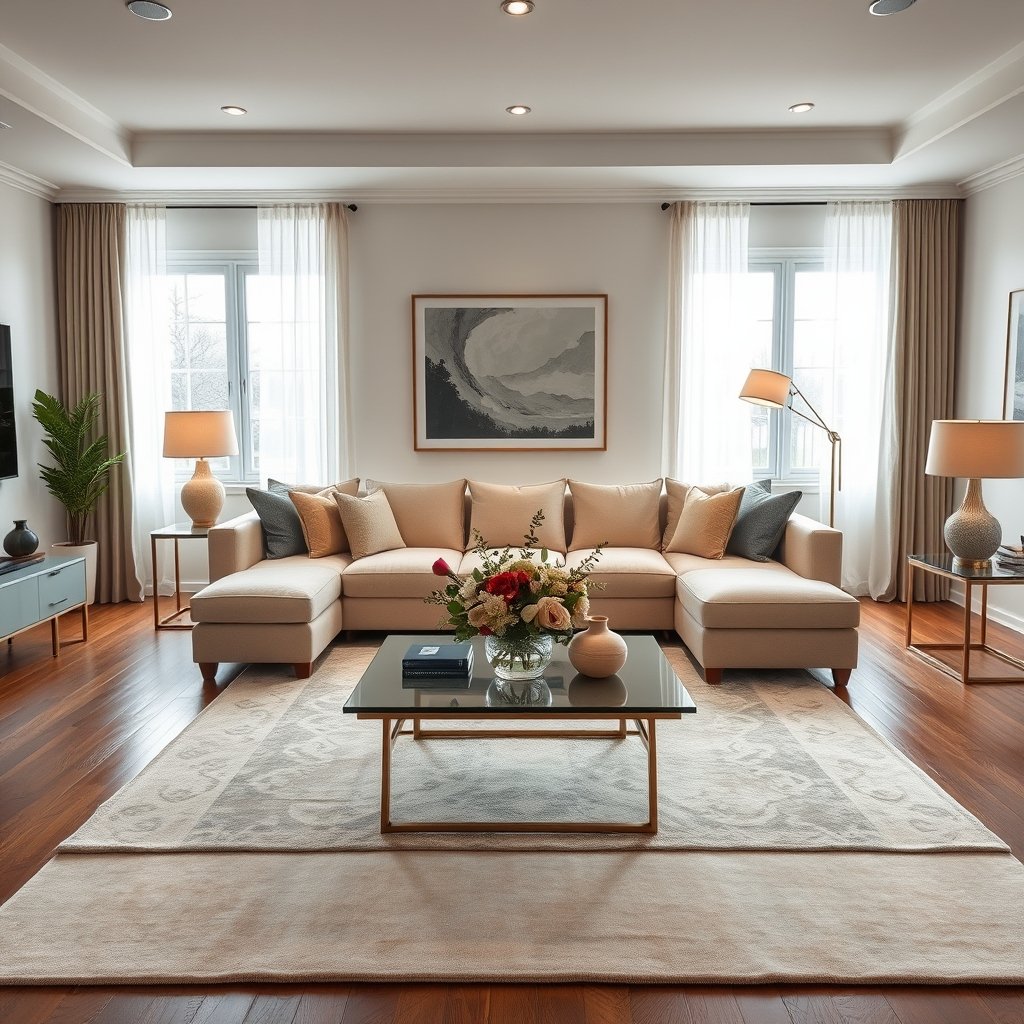
In 2024, home decor and furniture are at a turning point. The personalized home decor market is now worth USD 165.4 billion globally, up 1.0% year-over-year, and on track to reach an astonishing USD 330.6 billion by 2034 (7.2% CAGR). This isn’t just about splashy trends—it’s about smarter, more personal, and sustainable choices that fit modern lifestyles and shrinking spaces. Manufacturers, retailers, and tech companies are all shaping how consumers shop and live, for both short-term lease setups and forever homes. Knowing what’s changing—and why—lets buyers invest wisely and avoid last year’s costly missteps.
2024 Market Trends & What Consumers Are Spending On
The home furnishing landscape in 2024 is defined by personalization, social media-driven decisions, and technology-fueled convenience. In the US alone, the furniture market is valued at $244 billion with a steady CAGR of 3.91%, and online personalized decor sales now account for more than 25% of the total. Buyers are gravitating to:
- Customizable, modular designs (e.g., mix-and-match sofas, adjustable shelving, and compact home office solutions).
- Quick-switch, multi-functional pieces for small spaces (desk-beds, storage ottomans with storage).
- AR and 3D previews when shopping online—vital for accuracy and confidence, especially in tight or oddly shaped apartments.
- Designs pushed into popularity by Instagram and TikTok—think curved, plush lines or unique vintage accents.
Social media now drives about 33% of top retail opportunities in this niche, making trend awareness and tech tools indispensable for both shoppers and brands.

For more in-depth guidance on combining trend and personal style, see Finding Your Decor Voice.
Popular 2024 Styles — What to Buy (and What to Skip)
This year’s modern home decor furniture trends skew minimalist, with strong emphasis on:
- Neutral and muted colors (taupe, gray, soft white, sage green).
- Classic details like upholstered pleats and mixed metals (brass, bronze, nickel) for timeless longevity.
- Curved lines that soften hard architectural edges—seen in couches, chairs, and even storage.
- Modular and multi-functional designs that adapt as your space or needs change.
What’s being skipped? Bouclé fabrics, dramatically “chaotic” patterns, and furniture that’s hard to clean or quick to look dated. Instead, focus on pieces with long-lasting style and easy-to-maintain surfaces. If you rent or might move soon, prioritize portable objects and furniture that disassembles without tools. If you want to dive deeper into the evolution of furniture, check out Modern Furniture and Tools Guide.
Common Homeowner Pain Points When Choosing & Integrating Furniture
Many homeowners and renters struggle with:
- Poor fit or scale—sofas or wardrobes that overpower (or disappear in) the room.
- Difficulty visualizing real color or finish from online images—leads to style mismatches and returns.
- Inflexible pieces that don’t adjust, making life harder in tight or evolving spaces.
- Quality uncertainties—especially with MDF or mass-market imports where online reviews are scarce or unreliable.
These pain points are exactly why demand for modular and multi-functional pieces is rising, along with AR/3D preview tools to reduce risk before you buy. Consumers are well aware that spending a little more upfront can save them the cost and headache of returns, repairs, or feeling stuck with the wrong look. For quick tricks to stress-test furniture style, see this resource.
What Buyers Most Often Complain About After Purchase
Direct complaint data is scarce, but research and shopper feedback point to frequent issues like:
- Assembly headaches—unclear instructions, stripped screws, or tools not included.
- Disappointing durability—fabric pilling, seam splits, or wobbly construction in mass-market pieces.
- Color not matching photos—especially with trending fabrics or finishes that look different in natural light.
- Style regrets—especially with “of the moment” looks like bouclé or over-patterned rugs that become dated fast.
To minimize these risks, always:
- Order fabric/finish samples when possible.
- Check for tool-free assembly or lean on brands that offer local setup help.
- Confirm return policies and warranty terms in advance.
If you’re shopping on a budget or furnishing a small space, see our Best Budget Sofa for Apartment Guide for tips.
Three High-Value Home Decor Furniture Ideas Most Articles Overlook
Most style round-ups miss out on these three actionable, research-backed options:
-
Formaldehyde-Free, Recycled Textiles + Bamboo or Rattan Frames
Not just for the hyper-eco crowd. Portable, clean-lined pieces from these materials are healthier (less off-gassing) and built for life on the move. Look for legit sustainability certifications. -
Tailored Virtual Consultancy + Local Sourcing
Many online sellers now offer design consultants who can mock up your real space using photos/AR, then partner with local makers for custom builds. This hybrid model can save time and mistakes—and supports your community. -
Fabric-to-Wood Customization
Brands are (slowly) letting buyers choose both the upholstery and wood finish in a single build. This ensures every piece feels integrated, not like an afterthought. Double check lead times and ask for both wood and fabric swatches.
For practical steps on balancing cost and value in these choices, read our 12+ Proven Home Decor and Furniture Tips.
Materials, Construction Details & What to Expect for Living Room and Bedroom Pieces
Durability and sustainability aren’t just buzzwords—they’re the backbone of real world living room decor furniture and bedroom decor furniture in 2024. Here’s what to look for:
- Sofas & Armchairs: Favor solid hardwood frames (e.g., ash or oak), real plywood over particleboard, and recycled or formaldehyde-free upholstery. Modular and tool-free designs mean easier moves and repairs.
- Beds & Storage: Bamboo or rattan frames for eco-conscious buyers; steel or aluminum bases for longer life. Seek dovetailed joinery, not just staples or glue, for dressers and nightstands.
- Textiles & Accents: Use certified recycled fabrics for longevity; opt for removable covers where available; avoid “chaotic” bold prints unless you crave constant updates.
Price ranges vary: While no exact 2024 numbers are public, custom or green builds can cost 20-40% more than mass-market, but tend to outperform in lifespan and style consistency. For material pros and cons, see our Reupholstered Furniture Guide.
Price Signals & Cost Expectations (What Research Says — and Doesn’t)
There’s no sugarcoating it—customization and green materials still carry a premium, but it’s getting easier to see where the money goes. Custom furniture markets are booming (projected 12.21% CAGR through 2028), hinting at rising demand even with price bumps. Here’s what to keep in mind:
- “Standard” MDF-and-fabric sofas or shelving sets remain cheapest, but may last only a couple of moves.
- Eco-certified, customizable, or tech-integrated options will cost more—by several hundred dollars in many cases—but deliver better function, fit, and long-term savings.
- Lack of published 2024 price bands means it’s smart to cross-shop, request itemized quotes, and factor in total cost of ownership (not just sticker price).
For a breakdown of buying versus refurbishing, see Furniture in Thrift Stores Guide.
Functionality & Aesthetics — Small Urban Apartments vs Larger Homes
| Small Urban Apartment | Larger Suburban Home |
|---|---|
|
|
Urban dwellers benefit most from portable or quickly reconfigurable furniture, while those in larger homes can indulge in scale. For more actionable home styling basics, see our Pinterest Decor Ideas Guide.
Eco-Friendly & Sustainable Options — Availability, Benefits & Price Signals
Modern home decor furniture now includes a growing list of legitimate sustainable options:
- Formaldehyde-free sofas and chairs (healthier air quality, usually less odor out of the box)
- Bamboo and rattan frames (regenerating rapidly with minimal input, usually lighter and highly durable for frequent movers)
- Certified recycled textiles (less landfill, credible eco-labels add resale value too)
- Green 3D-printed components for customized, strong parts
- Locally sourced wood or manufacturing for reduced carbon footprint
Sustainable features often command a premium but deliver real value for anyone who moves often or cares about health and planet impact. Research shows buyers are increasingly willing to pay for these upgrades—even if exact 2024 price gaps aren’t public. For more tips on smart, sustainable swaps, see Home Decor and Furnishings Tips.
How to Shop in 2024 — Use AR, Virtual Consults, and Local Sourcing to Reduce Risk
Transforming modern home decor furniture shopping from a gamble to a confident process requires these tactical steps:
- Use AR or 3D preview tools to check scale and style before buying, especially for sofas, beds, or large cabinets.
- Request fabric and wood finish samples—even if shipped for a fee, it’s cheaper than a costly return.
- Ask specific questions: What is the frame material? Are connectors metal, plastic, or wood? How does the warranty work in case of real-world damage?
- If available, schedule a virtual design session—many stores now offer them as a free perk for customers.
- Support local makers or upcyclers when customization or sustainability is a top priority—bonus: faster fixes if needed.
With more than a quarter of personalized decor sales now online, letting tech do the heavy lifting sharply reduces expensive mistakes. For related advice on smart shopping, explore our Smart Home and Pet Shopping Guide.
10-Point Quick Buying & Styling Checklist (Actionable Takeaway)
- Get written room measurements before you shop.
- Use AR or 3D preview apps to test fit and layout in real time.
- Double-check material specs—prefer solid wood, plywood, recycled or eco-certified textiles.
- Verify products are formaldehyde-free and check for off-gas certifications.
- Choose neutral or muted color palettes for major pieces.
- Prioritize modular or multi-functional items for flexibility.
- Ask about assembly support or tool-free construction.
- Read warranty and return policy details—avoid limited or risky terms.
- Order swatches or manufacturer samples of finishes and fabrics.
- Layer in style basics: mixed-metal accessories, classic texture, clutter-free surfaces.
2024’s style guardrails are simplicity, neutral colors, and versatility—let these guide your choices. More tips are available in our Fabric Buying Guide.
Conclusion — Where to Invest, What to Avoid, and Next Steps
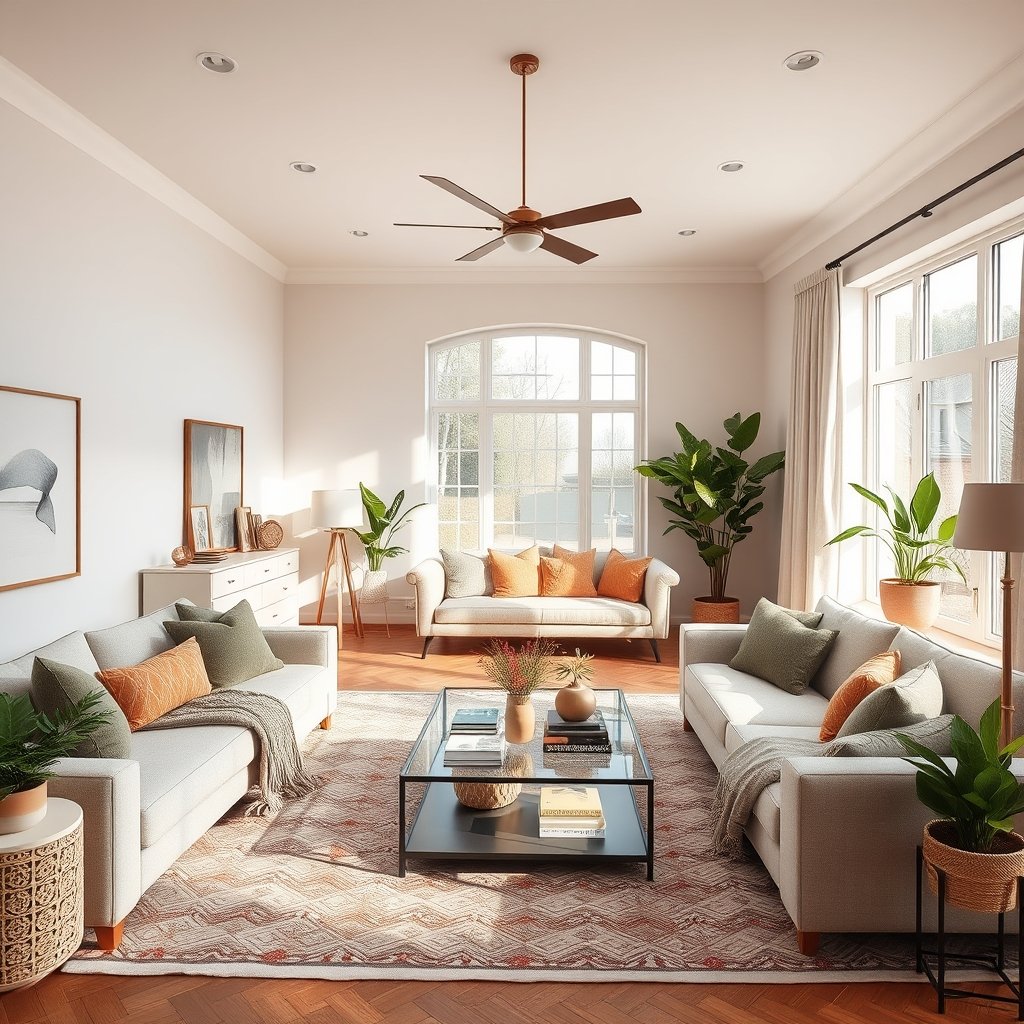
Ready to transform your space without costly missteps? Invest in durable frames, multi-functional pieces, and certified sustainable textiles—always use AR or request samples before clicking “buy.” Avoid buying into fleeting trends or fabrics that are quickly being phased out. As the personalized home decor market accelerates, customization and tech-enabled shopping become smarter bets for long-term satisfaction. The bottom line? If you use the right tools and ask the right questions, home decor and furniture shopping in 2024 is less risky and a lot more rewarding. Start by measuring your space, sampling materials, and booking a free virtual consult before your next big purchase.
FAQs
How do I know if paying extra for eco-friendly furniture is worth it?
Look for third-party certifications (like FSC for wood, OEKO-TEX for textiles) and consider how long you plan to keep the piece. If it’s a core item (sofa, bed, storage), premium eco-features pay off in durability and resale value.
What’s the safest way to shop for home decor and furniture online?
Use AR/3D preview tools, request fabric or finish samples, and double-check scale with your real room measurements. Always verify warranty and return policies, and look for brands with local setup or customer support.
What styles should I avoid in 2024 to keep my home looking current?
Avoid bouclé fabrics, overly “chaotic” patterns, and anything that feels hard to clean. Instead, stick to neutral palettes, classic textures, and mixed-metal details for longevity.
How do I pick modular or multi-purpose furniture for small apartments?
Choose items that serve more than one function (like storage ottomans or desks that convert to dining tables) and that can be reconfigured without tools. Use wall-mounted shelves to free up floor space.
What’s the first step before making a large home furniture purchase this year?
Always measure your room precisely and request AR previews or material samples. Book a virtual or in-person consult if you’re unsure—this can save you from mismatched color, poor fit, or regretful splurges.