

best budget sofa for apartment decisions can quickly become overwhelming for young renters and first-time buyers facing soaring prices, tiny entries, and online shopping uncertainties. Here’s a grounded guide to finding an affordable couch that actually suits compact living—without glossing over real tradeoffs on cost and comfort.
Key Takeaways
- Budget-friendly sofas for apartments typically cost $300–$800, with “affordable couch” options under $1,000 but expect tradeoffs in durability, comfort, and policy terms.
- Fit, material quality, and true lifetime cost (including delivery, returns, warranty) matter more than sticker price alone for lasting satisfaction in small spaces.
- Plan layout and measurements before you shop—plus, always verify specs, policy terms, and check reviews to avoid the most common pitfalls of buying a small space sofa.
- Quick market snapshot: what “budget” means in 2024
- What small-space buyers actually need (dimensions, scale, and layout rules)
- Materials and build features to prioritize on a budget
- What real users praise and complain about in affordable small-space sofas
- True cost of ownership — beyond sticker price
- Space-optimization strategies for studios and tiny living rooms
- Renting vs. owning: buying strategies for short-term renters and future homeowners
- Brands, models, and reviews — what the research can and can’t tell us
- Exact specs to request when shopping
- Returns, warranties, and delivery: the hidden fees that change the deal
- Online vs in-store: tradeoffs for budget apartment buyers
- Quick buying checklist and recommended next steps
- Frequently Asked Questions
Quick market snapshot: what “budget” means in 2024
Sticker shock has arrived for urban renters shopping for the best budget sofa for apartment living. In 2024, “affordable couch” typically means any sofa under $1,000, but entry-level options start at about $300 and rarely exceed $800—especially from big-box chains or online discounters.
The average American now pays $1,400 to $1,800 for a new, full-size sofa, but most apartments do not need or suit these larger, more expensive models. For reference, prices that used to mean mid-market ($1,000) are now the norm for basic seating due to inflation (StayHomeBody, Hernest). Most renters will find the sweet spot for a small space sofa under $800, but at these price points, tradeoffs are inevitable: shorter lifespans, simpler construction, and variable comfort.

What small-space buyers actually need (dimensions, scale, and layout rules)
It’s easy to fall for a low price, but if your small space sofa doesn’t fit your entry, feels oversized, or dominates your room, no deal is really a bargain. Here’s how to get it right from the start:
- Measure your entry: Note the narrowest spot between street, elevator, hallways, and door (width/height).
- Studio apartments: For typical 400–600 sq ft, a 60–75 inch wide loveseat or apartment-size sofa is ideal. Seat depths should stay under 36 inches; avoid bulky arms.
- 1-bed apartments: Up to 84 inches wide can work, but always check available wall space—leave at least 12–18 inches clear on the sides when possible.
- Depth and height: Depth over 36 inches eats up walkways; “low back” designs (30–34 inches tall) keep things airy.
- Legs and frames: If you need to move or disassemble, choose a model with removable legs/feet. Always check full product length with legs attached and detached.
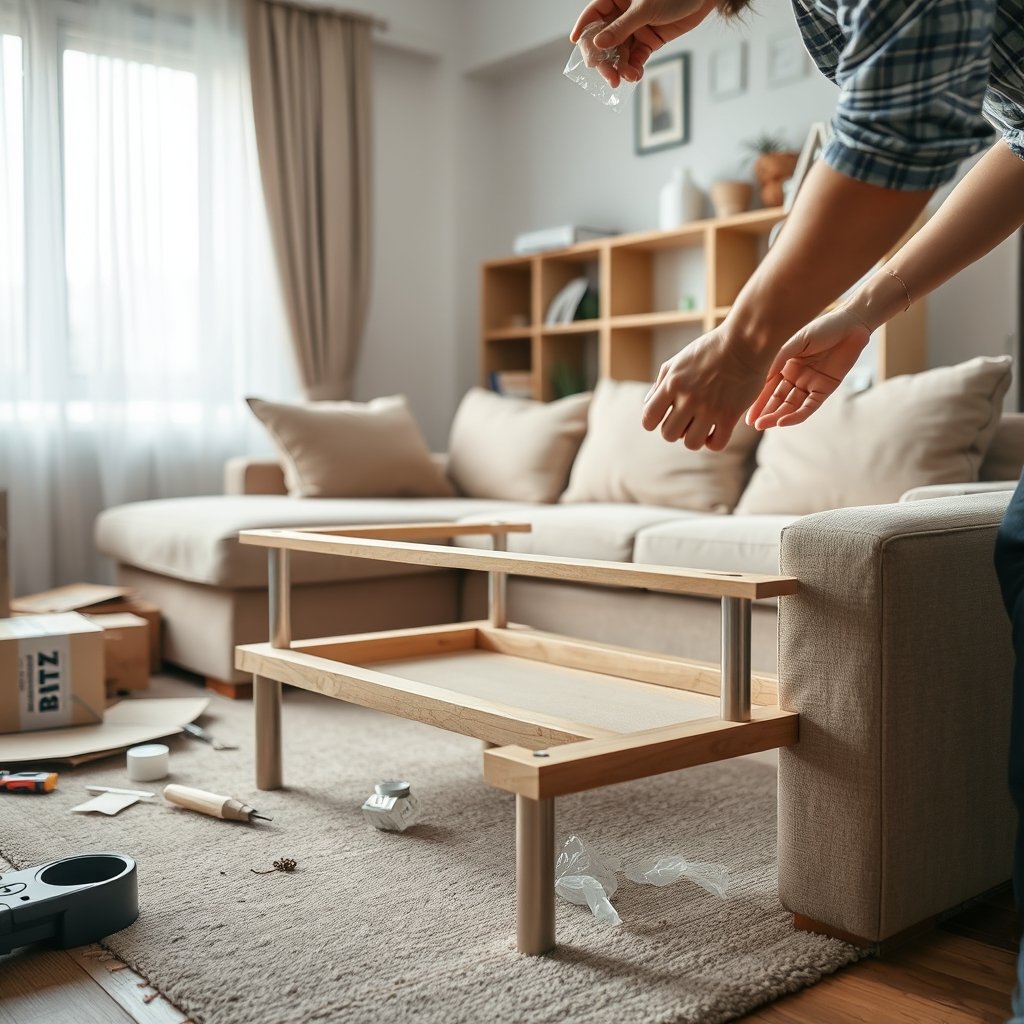
Most guides gloss over these steps. For thorough spatial planning guidance (including for bedrooms, offices, and moving day), see our modern furniture and tools guide.
Materials and build features to prioritize on a budget
Budget-friendly apartment sofas inevitably use some cost-cutting materials and construction. Knowing the tradeoffs helps you avoid the worst long-term issues.
- Frames: Most “best budget sofa for apartment” picks use particle board or engineered wood (MDF or plywood). These can work for three to five years, but avoid sofas with obvious weak points, excessive staples, or flimsy joinery.
- Cushions: Expect low-to-medium density poly foam. Higher-density lasts longer; lower density crushes flat after a year or two of daily use. If foam density is listed, look for at least 1.8 lb/cu ft.
- Upholstery: Polyester is the standard for affordable couch picks. It’s relatively durable, stain-resistant, and easy to wipe clean, though it may pill with heavy wear. Faux leather looks sharp but may peel within a few years.
- Assembly: DIY-assembly kits save money (and help with tight entries) but may require two people. Screw/bolt hardware generally outlasts snap-in parts.
| Feature | Budget Option | Mid-Tier Option | What to Check |
|---|---|---|---|
| Frame | Particle/engineered wood | Solid wood / hardwood | Joints, visible staples, exposed corners |
| Cushions | Low-density foam (1.4–1.6 lb/cu ft) | High-density foam (1.8+ lb/cu ft) | Thickness, density (if listed), zippers |
| Upholstery | Polyester, faux leather | Performance/acrylic, linen blend | Stain resistance, cleaning code |
Most online stores and in-person showrooms do not provide detailed build info up front. Always ask for specifics—if materials, foam density, or joinery aren’t listed, be cautious. Curious how materials influence furniture life? Read our primer on what reupholstered furniture is worth.

What real users praise and complain about in affordable small-space sofas
Actual user review data is limited in public research. However, expect the following patterns based on retailer feedback and industry consensus:
- Praise: Excellent price/value, space-saving scale, light weight for easy moves, often stylish looks in line with current trends.
- Complaints: Cushions lose shape fast, support degrades within 1–2 years if foam is low density, assembly can be confusing or missing hardware, and upholstery may stain or pill sooner than higher-end models.
- Durability: For less than $1,000, a 3–5 year life is typical—with daily heavy use lowering this figure. Extra care (no jumping, prompt cleaning) extends useful life.
For a better sense of feedback and trends, check out up-to-date customer reviews and model comparisons from review aggregators such as Wirecutter or Chita Living’s buying guide. Or see our full take on thrift store furniture—many budget sofa issues mirror those found in used seating.
True cost of ownership — beyond sticker price
Most buyers only compare purchase price. That’s a mistake. Add up the real-life costs to avoid expensive surprises later:
- Delivery fees: Can add $50–$200 to online orders or big box finds.
- Assembly costs: White-glove assembly onsite is rarely included below $800; DIY builds save money but eat time.
- Returns and restocking: Restocking fees, return shipping, and original delivery costs may not be refunded—and can total 10–25 percent of your order.
- Warranty: Budget sofas usually carry one-year limited warranties. Repairs and part replacements can be nearly as costly as buying a replacement.
- Replacement frequency: If a $500 sofa lasts four years, total cost of ownership is $125 a year—vs. a $1,200 sofa lasting eight years ($150/year), after including all extra costs.
For more on consumer value calculations, explore our smart shopping guide featuring Ashley Furniture and Wayfair.
Space-optimization strategies for studios and tiny living rooms
Getting maximum use from minimum square footage is where the best budget sofa for apartment can shine—if you plan smart:
- Look for sofas with built-in storage or folding beds if you live in studios.
- Keep sofa length to less than 75 inches for one-room setups—this preserves much-needed walking lanes.
- “Floating” a sofa off the wall creates definition in open plans and can double as a divider.
- Choose modular or sectional models with reversible chaises for future flexibility.
- Always measure the tightest point from curb to living room—especially elevator doors if you’re in a walk-up or midrise.
For even more layout tricks and small room tips, visit our tiny kitchen remodel guide.
Renting vs. owning: buying strategies for short-term renters and future homeowners
Not every “affordable couch” is right for every lifestyle—here’s how to decide:
- Short-term rental: Opt for budget models, used sofas, or flexible rental-to-own options. Value easy portability over long-term durability.
- Planning to upgrade soon: Consider lease-to-own—but read terms carefully (hidden fees can make this more expensive). See our lease-to-own furniture guide.
- Future homeowner: Investing in a mid-tier model now can lower future costs if it fits your next place—resale value is higher on better condition, name-brand sofas.
- Resale & moving: Models with detachable legs or modular designs are far easier to sell or move between locations.
Brands, models, and reviews — what the research can and can’t tell us
The latest public data reveals no consistent winner for best budget sofa for apartment—brand and model recommendations shift with frequent sales, changing materials, and limited consumer survey info. Online DTC brands are often priced above the true budget segment ($1,200–$2,200); specific models must be sourced from up-to-date review sites or in-store inventories (Hernest).
When researching the latest small space sofa, check both professional reviews (Wirecutter, Apartment Therapy, Consumer Reports) and customer ratings from the last six months. Compile a shortlist and compare against your space and must-have features. For store-hopping, check up-to-date deals at stores like Bob’s Furniture or big-box retailers.
Exact specs to request when shopping
Never buy a small space sofa without confirming these details:
- Overall width, seat depth, seat height (inches or cm)
- Frame material (particle board, plywood, or solid wood?)
- Foam density (ask for numbers, not just “high-density”)
- Upholstery fiber (polyester, blend, or faux leather?)
- Cushion fill and covers (zippered/removable for washing)
- Removable/off legs for fitting through doors/elevators
- Total packed weight (important for moving into apartments)
Most product listings leave out at least one of these. If you can’t verify, keep looking or ask the vendor directly. If you want specialized fabric tips, see our home decor fabric guide.
Returns, warranties, and delivery: the hidden fees that change the deal
Budget sofas often come with policy limitations that can turn a “deal” sour if things go wrong:
- Return windows: Many budget retailers only offer 14–30 days; some may deduct delivery and restocking costs.
- Restocking fees: These can reach 15–25 percent, especially for opened or built items.
- Warranty terms: Most cover the frame for one year—cushions and fabric may have shorter (or no) coverage.
- Delivery & setup fees: Check if delivery is curbside, threshold, or “white-glove”—assembly support may cost extra.
- Policy gaps: Return shipping and assembly time are rarely compensated, and exchanges can take weeks.
Missing this small print is one of the top pitfalls in small space and budget sofa shopping. Always confirm before you commit. Get more policy and returns advice in our pet and home shopping savings guide.
Online vs in-store: tradeoffs for budget apartment buyers
- Online buys: Lower prices, huge selection, faster home delivery, easier comparison shopping. Biggest risk: Can’t inspect comfort or build quality before buying.
- In-store shops: Try before you buy, see true colors, test comfort, check wobble and sturdiness. Downside: Often limited models, higher minimum prices, bulky delivery charges.
- Big-box stores (Walmart, Target, IKEA, Ashley, Bob’s) usually hit $600–$1,200 price points by simplifying frames and using modest materials.
Satisfaction depends on your need to see and feel before committing. If you want in-person support or white-glove service, brick-and-mortar may be worth a premium.
Quick buying checklist and recommended next steps
- Measure tightest entries and planned placement.
- Set total budget including delivery, assembly, and anticipated returns or restocking fees.
- Request and verify product specs (materials, frame, foam, upholstery, removable parts).
- Check all policy terms (return, warranty, delivery, exchange fees).
- Read recent shopper reviews for product lifespan and comfort issues.
- Decide if online or in-store fits your comfort with risk and convenience.
- Research top-rated models from up-to-date expert and user review sites to build your shortlist. Where review data is missing, request specifics directly from sellers or retailers.
Conclusion
Finding the best budget sofa for apartment living is not just about picking the lowest price tag. It’s about making sure you buy a compact, affordable couch that matches your space, meets your comfort expectations, and holds up to real life—without hidden costs sinking your budget later. Take an extra moment to measure, vet specs, confirm return and warranty policies, and check reviews before clicking “buy.” Need more insights on creating cozy spaces, moving, or long-term furniture care? Explore more of our guides. Ready to take the next step? Start your shortlist with the checklist above, and shop smart for genuine value!
Frequently Asked Questions
What is the price range for the best budget sofa for apartment living in 2024?
Budget sofas for apartments typically run $300 to $800, with “affordable couch” options under $1,000. Prices can go higher with inflation, but most apartment-appropriate models remain in this range. Always factor in extra delivery and setup costs.
What dimensions work best for a small space sofa?
For studios, target 60–75 inches wide and under 36 inches deep. For one-bedroom apartments, up to 84 inches wide can work if space permits. Always confirm doorways, hallways, and clearance around the sofa.
How long will a budget apartment sofa typically last?
On average, expect three to five years with proper care from a budget or affordable couch (< $1,000). Models with particle board frames, low-density foam, and inexpensive upholstery may show wear well before that if heavily used.
What are the most common issues with budget sofas?
Cushion flattening, quick wear of fabric (staining or pilling), squeaky frames, assembly challenges, and short warranty coverage are the main issues. Policy terms and unadvertised delivery fees often add to buyer frustration.
How can I minimize surprises when buying a small space sofa online?
Measure carefully, confirm all product specs, check current reviews, and read the store’s return and warranty policy in detail. Consider visiting local stores to compare firmness and quality before making a final online purchase.