

Lawn vs garden tractor—this is one of the most important equipment decisions for property owners managing anything from a small suburban yard to a sprawling multi-acre plot. The differences between the two go far beyond marketing blurbs. In this guide, we cut through the noise with real technical data, honest complaints, and a hands-on comparison you won’t find in typical dealer write-ups or manufacturer FAQs.
Key Takeaways
- Lawn tractors are best for small, mostly flat properties and routine mowing; garden tractors shine on larger, sloping terrain and demanding work like snow plowing and tilling.
- Garden tractors are heavier, stronger, and support a broader, more capable range of attachments—but come with higher upfront and long-term costs.
- Exact towing and power specs vary widely by model, so always verify horsepower, transaxle rating, and approved attachments before you buy.
- Quick TL;DR — Which machine for which user
- Head‑to‑head Technical Specs: engine HP, transmissions, decks, frame and weight
- Real-world power and towing: what the numbers mean for performance
- Transmission & drivetrain differences that affect workability
- Cost of ownership: purchase price, maintenance, and attachment ecosystem
- Attachments: what garden tractors can do that lawn tractors shouldn’t
- Common owner complaints, limitations and maintenance pain points
- Recommended tasks, misuse risks, and safety considerations
- Quantitative comparisons we can and cannot provide — data gaps to be transparent about
- Buyer checklist and quick spec lookup table (what to verify on model pages)
- Top 3 topics competitors miss (opportunities to stand out)
- Sources, model verification notes, and recommended further reporting
Quick TL;DR — Which machine for which user
If your property is under one acre, mostly level, and you want an affordable, practical machine for lawn mowing only, a lawn tractor is a solid choice. If you manage 1-10 acres or routinely tow, clear snow, till soil, or need traction and power for hills, a garden tractor is worth the higher cost. For pure mowing on ultra-flat lawns, a zero-turn or riding mower remains fastest but lacks versatility. In the classic lawn vs garden tractor question, it’s all about property size, land shape, and year-round workload rather than brand or looks. Research findings indicate that garden tractors are designed for larger, sloping lots and heavy tasks, while lawn tractors suit small, flat yards and standard mowing.
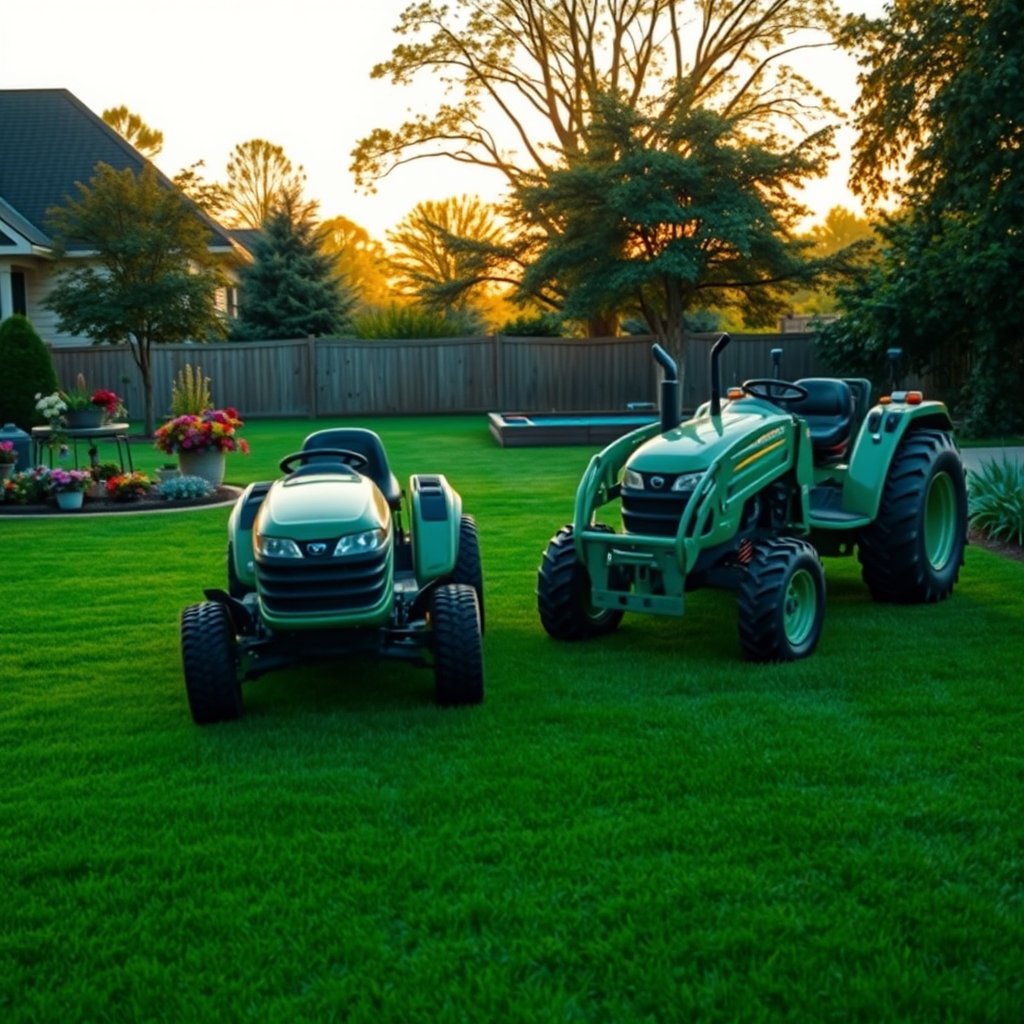
Head‑to‑head Technical Specs: engine HP, transmissions, decks, frame and weight
To make an apples-to-apples decision, here’s what sets a lawn tractor apart from a garden tractor in 2024, based on real specs:
- Engine Power: Lawn tractors: 5–24 HP. Garden tractors: 18–30+ HP. Some garden tractor models climb even higher for diesel commercial use. See source.
- Deck Width: Lawn tractors: 30–46 inches. Garden tractors: 48–54+ inches for faster, wider cuts. Source.
- Transmission: Both use hydrostatic or CVT transmissions for smooth speed control. However, garden tractors frequently offer gear and locking differential options for serious traction in tough spots. Source.
- Weight and Frame: Lawn tractors generally weigh 400–600 lbs, garden tractors 700–1,200 lbs or more—almost twice as much, depending on the brand and attachments. Garden tractors feature reinforced frames, axles, and transaxles.
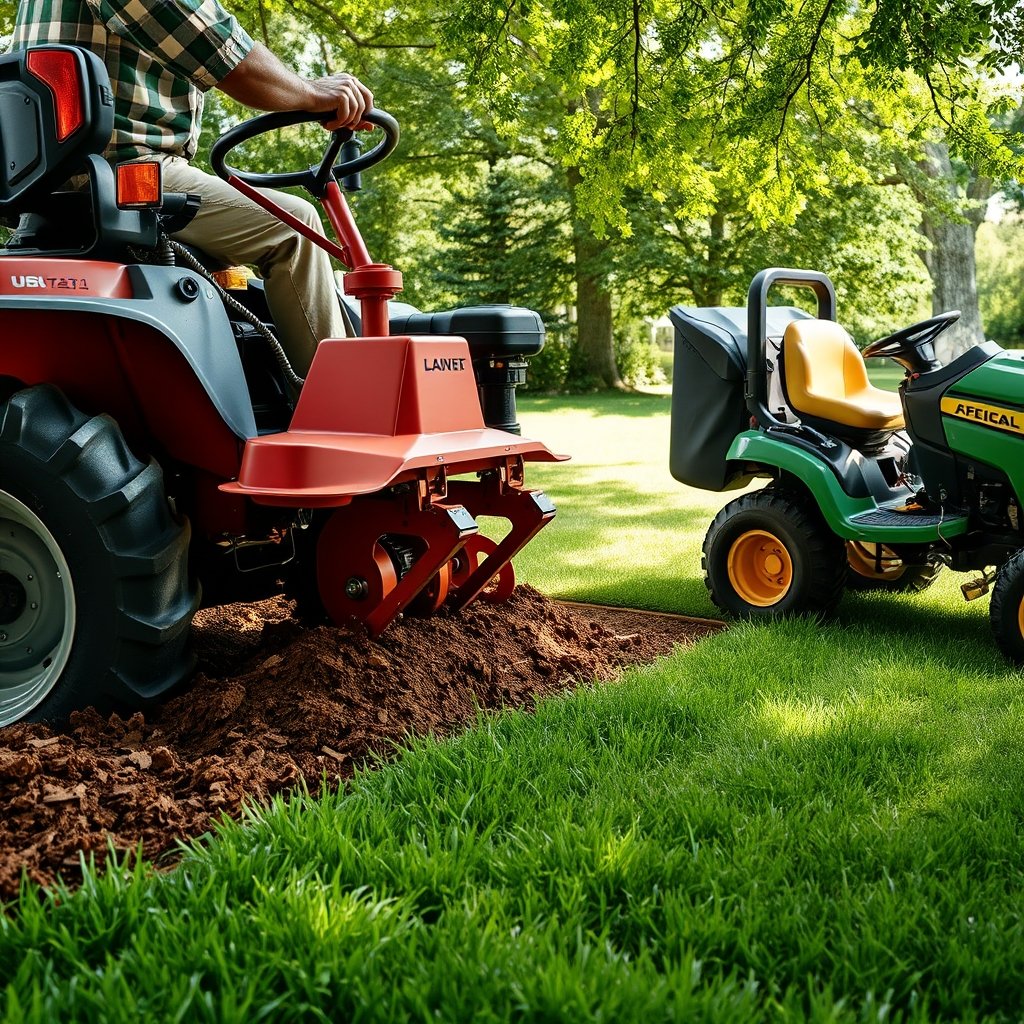
Remember, specs can deviate even within the same brand family. For example, some “heavy-duty” lawn tractors have specs closer to entry-level garden tractors—always double-check HP, deck, and axle ratings before you decide.
Real-world power and towing: what the numbers mean for performance
How do these technical specs affect what you can actually do on your property? Here’s how horsepower, weight, and design translate to performance:
- Mowing Speed: Garden tractors can power wide decks without struggling, letting you mow faster on large lots.
- Towing and Load Capacity: While specific towing capacities (in lbs) are almost always absent from brand brochures—a known industry gap—garden tractors routinely handle full garden carts, soil, or firewood trailers that would overtax a lawn tractor’s weaker transaxle and lighter frame.
- Stability on Slopes: Weight matters. Garden tractors handle steeper, rougher ground more safely, reducing risk of tip-over or wheelspin. Stability on Slopes
- Attachment Usage: The extra power (often 40-200% more) and locking differentials on garden tractors allow use of ground-engagement implements like tillers or snow plows with confidence. Lawn tractors, by contrast, face frame and transaxle stress when pushed beyond turf-only work.
One well-documented example: A John Deere X304 lawn tractor clocks in at 550 lbs versus a John Deere 455 garden tractor at 1,160 lbs. That weight is not just extra steel; it translates directly to power delivery, traction, and survivability for heavy tasks (see comparison video).
However, if you need to tow a specific load, look for the manufacturer’s actual rated towing capacity on your exact model—this essential data is rarely published and must be checked directly.
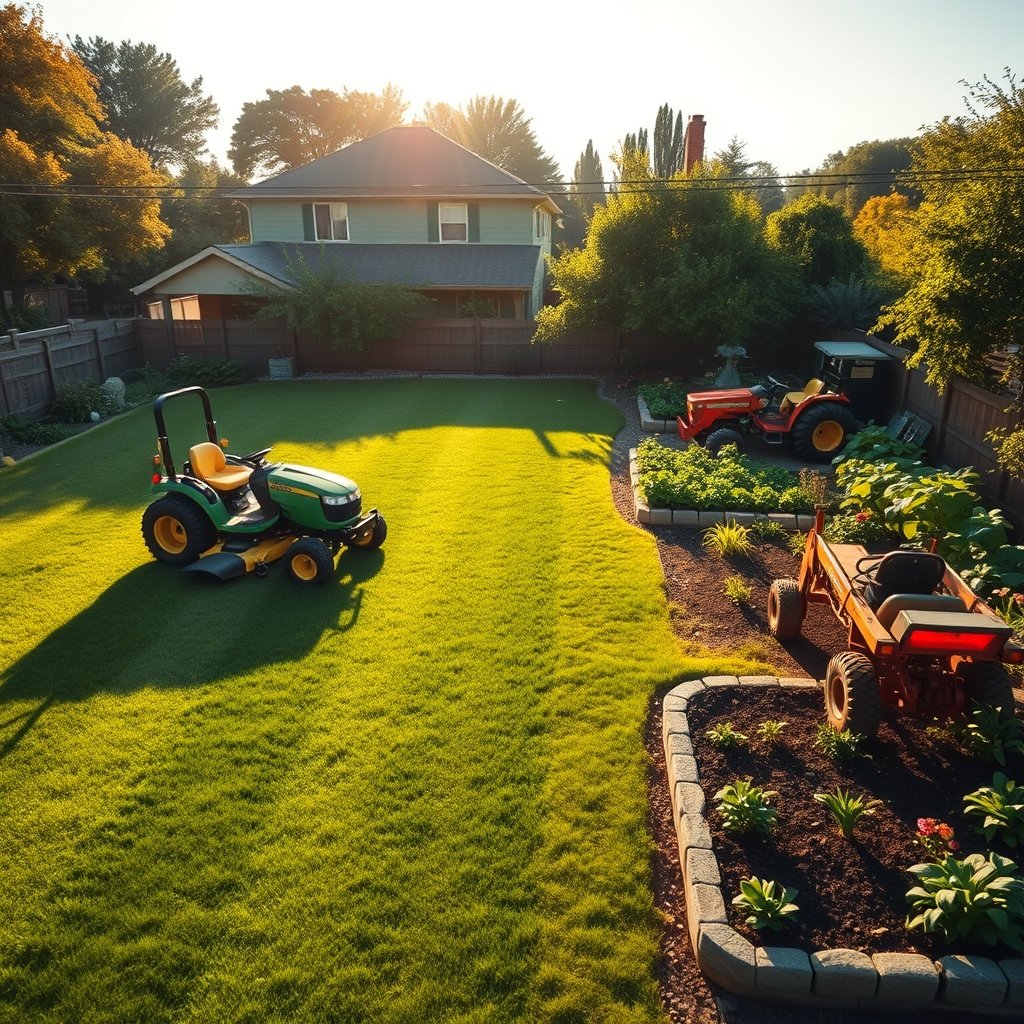
Transmission & drivetrain differences that affect workability
Hydrostatic and CVT transmissions dominate both categories for smooth forward and reverse changes. However, garden tractors push ahead in two key drivetrain features:
- Heavy-Duty Transaxles: Essential for accepting heavy attachments or coping with constant towing.
- Locking Differentials: Allow both rear wheels to spin together for maximum traction—vital on slopes or muddy ground. Lawn tractors almost never have this.
This is what makes a garden tractor robust enough for tilling, plowing, or deep snow work. It’s also why you shouldn’t expect a lawn tractor to “just handle it” with a few extra weights. Check our in-depth comparison guide for more examples of how these transmission features play out in real-world use.
Cost of ownership: purchase price, maintenance, and attachment ecosystem
Garden tractors cost significantly more—both at checkout and over their lifespan (source). Expect:
- Upfront Cost: Lawn tractors can run $1,200–$3,500+ new. Garden tractors typically start at $3,000 and easily exceed $6,000–$8,000 with attachments.
- Maintenance: Lawn tractors require less frequent and less costly maintenance. Garden tractors’ heavier-duty (and sometimes proprietary) parts mean longer annual checklists and pricier fixes.
- Attachments: baggers, spreaders, and tow carts are affordable and simple for lawn tractors. Garden tractor attachments—tillers, front loaders, hydraulic PTO implements—can cost nearly as much as the tractor itself, but unlock vastly more uses.
If you want a 10-year+ solution with all-season versatility, garden tractors justify their investment. Otherwise, stick to a simpler ride-on for mowing and light hauling. For specialty guidance, see our lawn and garden equipment overview.
Attachments: what garden tractors can do that lawn tractors shouldn’t
Garden tractors are engineered for ground engagement and hydraulic work. Here’s why:
- They support front loaders, hydraulic PTO systems, and heavy tillers—tasks impossible or dangerous for most lawn tractors (source).
- The beefier frame and stronger transmission avoid the failure and instability risks that come with rigging a lawn tractor “above its grade.”
- Lawn tractors are meant for mowing, garden carts, and basic spreaders. Trying to mount a loader or heavy tiller often leads to rapid transmission or frame breakdown.
Lawn tractor uses are generally limited to cutting grass and pulling lightweight carts over smooth ground. Garden tractors’ versatility dramatically expands if you plan seasonal work—think aeration, dethatching, snow removal, and earthmoving.
For more on picking the right tools, check our budget landscaping guide.
Common owner complaints, limitations and maintenance pain points
Owner forums and review aggregators (TractorByNet, MyTractorForum, Consumer Reports) in 2022–2024 reveal:
- Lawn tractor complaints: Premature transmission failure when towing more than rated, deck vibration and belt wear, poor traction on wet slopes, and uncomfortable seats for larger users. (References: TractorByNet, Consumer Reports 2023.)
- Garden tractor complaints: Higher part and attachment costs, difficulty finding certain parts for aging models, heavier steering when not hydro-assisted, and increased maintenance time (greasing, checking hydro fluid, etc.). (References: MyTractorForum.)
Both types commonly generate frustration over confusing model labeling and inconsistent weight ratings between brands. In general, expect budget lawn tractors to have more “early death” complaints if used aggressively and garden tractors to frustrate with add-on costs or long parts sourcing times.
Recommended tasks, misuse risks, and safety considerations
Lawn tractors: Best for straightforward mowing, leaf collection, and light-duty trailer work on flat lawns. Pushing them into ground engagement is a recipe for transaxle or frame failure—and can void your warranty. Deck damage is also common if you attempt to till or plow with a basic model.
Garden tractors: Safely clear snow, till under gardens, haul large trailers, or operate loaders in a way that’s stable and approved by the manufacturer. They shine in any scenario involving hills, heavy material, or high-frequency attachment swapping.
Risks: Rigging “illegal” implements to a lawn tractor is not just inefficient—it risks breakdowns, personal injury, or accidents on slopes. If you’re unsure about an application, ask for the dealer’s written approval or see model-specific forums for real-world feedback.
Quantitative comparisons we can and cannot provide — data gaps to be transparent about
Here’s what the data shows vs. where manufacturers (and most reviewers) are silent:
- Available: Engine HP, typical deck widths, transmission and axle type, generic weight ranges, attachment support.
- Not available (must check model): Rated towing lbs, fuel consumption, actual semi-pro duty cycle ratings, year-by-year operating costs on new machines.
If you find a website quoting towing lbs for a whole class, treat it skeptically and verify with the manual or manufacturer’s FAQ. For HP and deck size, specs are reliable—but towing and real fuel efficiency always depend on the individual model.
Buyer checklist and quick spec lookup table (what to verify on model pages)
Use this checklist or table before spending a dime:
- Horsepower (HP)
- Deck width (inches)
- Transmission type (hydrostatic, CVT, gear)
- Transaxle rating/brand (especially for towing; look up spec sheet)
- Machine weight (lbs)
- Locking differential (Y/N)
- PTO type (manual, electric, hydraulic)
- Approved attachments (with part numbers where possible)
- Rated towing capacity (lbs—verify model docs)
- Warranty, and local dealer support for parts
| Spec | Lawn Tractor | Garden Tractor |
|---|---|---|
| Horsepower | 5–24 HP | 18–30+ HP |
| Deck Width | 30–46 inches | 48–54+ inches |
| Transmission | Hydrostatic or CVT | Hydrostatic, Gear, CVT, often w/locking diff |
| Frame/Weight | 400–600 lbs, light-duty steel | 700–1,200+ lbs, reinforced frame |
| Attachments | Baggers, carts, spreaders | Loaders, tillers, plows, hydraulic PTO tools |
| Towing Capacity | Varies by model—verify | Varies by model—verify |
Top 3 topics competitors miss (opportunities to stand out)
To offer better guidance than average blogs and product blurbs, expand on:
- Exact towing capacity (lbs): Almost every source skips this vital detail. Without it, buyers risk overloading new machines.
- Fuel efficiency and yearly operational costs: Fuel use matters for large acreage and professional work. Track gallons/hour if possible for your short-list models.
- Semi-professional use cases: If you are a landscaper or manage several properties, seek out owner testimonials on attachment switching, part longevity, and real downtime—these stories rarely appear on sales sites.
These missing details are where reading the manual and researching user forums pays off. For general landscaping gear, see our lawn and garden section guide.
Sources, model verification notes, and recommended further reporting
Key sources for this comparison:
- Manufacturer spec sheets—for HP, weight, transmission, PTO, towing limits.
- Owner forums—real complaints, hacks, and maintenance tips (e.g., TractorByNet, MyTractorForum).
- Consumer review aggregators (Consumer Reports).
- Dealer quotes—especially for attachment pricing and whether a model is rated for a loader, plow, or tiller.
Tip: Download the official operator’s manual for any tractor you consider. It’s the only source that can confirm towing, PTO, and attachment support per serial/model, especially with specs that often blur the line between classes. For broader equipment tips, explore our small yard mower guide or vegetable gardening for beginners.
Conclusion
When comparing lawn vs garden tractor, always put your property’s real demands first. Lawn tractors win for basic mowing on flat, suburban plots. Garden tractors are engineered for heavy seasonal tasks, attachments, and long-term durability, but with higher costs and maintenance needs. Check specs, check the manual, and ask owners of your short-listed models on reputable forums. Ready to make a smarter purchase? Shop armed with these checks for capability, cost, and real-world performance.
Decide now: What’s your acreage, what must your machine do, and which checklist items above matter most to your lawn care future?
FAQ
What is the main difference between a lawn tractor and a garden tractor?
Lawn tractors prioritize mowing on small, level yards and use lighter frames and lower horsepower (5–24 HP). Garden tractors are designed for heavy-duty work like tilling, snow plowing, and trailer towing, and offer 18–30+ HP, locking differentials, and support for advanced attachments.
Can a lawn tractor use garden tractor attachments?
No. While some attachments like carts and spreaders fit both, heavy-duty tools (loaders, hydraulic tillers) are designed for garden tractors due to their frame and transaxle strength. Forcing these onto a lawn tractor can cause failure.
How do costs of ownership compare?
Garden tractors cost significantly more up front and over time—by thousands of dollars in some cases—because of their robust parts, larger decks, and a broader, pricier attachment ecosystem. Lawn tractors have lower ongoing costs and cheaper, simpler maintenance.
Where do most owners report problems?
Lawn tractor owners complain about premature transmission or belt failure if overtaxed. Garden tractor owners often cite high attachment and part costs, or sourcing issues for older models. Always check model-specific forums for recurring issues.
Where can I find exact towing or attachment ratings for my tractor?
Manufacturer spec sheets and the official operator’s manual are your best sources. Most websites don’t publish exact towing lbs, so check your model documentation or ask a local dealer for printed confirmation before heavy-duty use.

Hi there, of course this post is genuinely good and I have
learned lot of things from it on the topic of blogging.
thanks.