

Lawn and garden equipment is no longer just about rakes and shovels—it’s become a dizzying aisle of choices, rising prices, and tech features that can leave new homeowners overwhelmed. If you want to build the right starter kit for your yard in 2024, this guide will help you cut through the buzz, avoid costly surprises, and invest wisely.
Key Takeaways
- The lawn and garden equipment market is growing, led by battery-powered and robotic options, but traditional mowers still dominate homeowner buys.
- Most first-time buyers overspend or get overwhelmed—simple planning, solid research, and matching gear to your climate and yard size prevents buyer’s remorse.
- Starter kits range from $200 (manual only) to $2,500+ (powered tools); durability and maintenance requirements vary widely by type and brand.
- 2024 Market Snapshot — What’s Driving the Lawn and Garden Equipment Market
- Which Categories Are Rising in Popularity (and Which Still Dominate)
- How People Are Buying — Channels and Purchase Behavior
- The Beginner’s Pain Points — What New Users Struggle With (and How to Solve It)
- Top 3 Content Gaps Competitors Are Missing (and What We’ll Cover)
- Starter Kit — Average Cost Breakdown (Manual vs Powered)
- Durability and Maintenance — What to Expect Across Brands and Models
- Year-Round Equipment Planner — Seasonal Needs by Climate Zone
- Safety, Technical Specs, and Buying Checklist
- How to Research Before You Buy — Sources, Reviews, and Local Service Considerations
- Quick Decision Guide / 1-Page Summary for Homeowners
- FAQs
2024 Market Snapshot — What’s Driving the Lawn and Garden Equipment Market
Homeowners thinking about buying lawn and garden equipment in 2024 are entering a market worth over USD 31.0 billion for outdoor power equipment, growing to USD 36.5 billion by 2029. Gardening-specific equipment is a $9.68 billion sector, expected to hit $15.04 billion by 2034, at a healthy 4.5% CAGR [source].
- Batteries are replacing gas in homeowner tools at a record pace.
- Robotic mowers and smart irrigation are gaining traction, especially for those aiming to save time.
- Residential lawn mowers still drive most purchases—but the “basic” kit looks very different than it did five years ago.
Why does this matter? The surge in equipment choice means better fit and value if you take time to plan, but it also makes mistakes—like overspending or buying the wrong battery platform—far more likely.
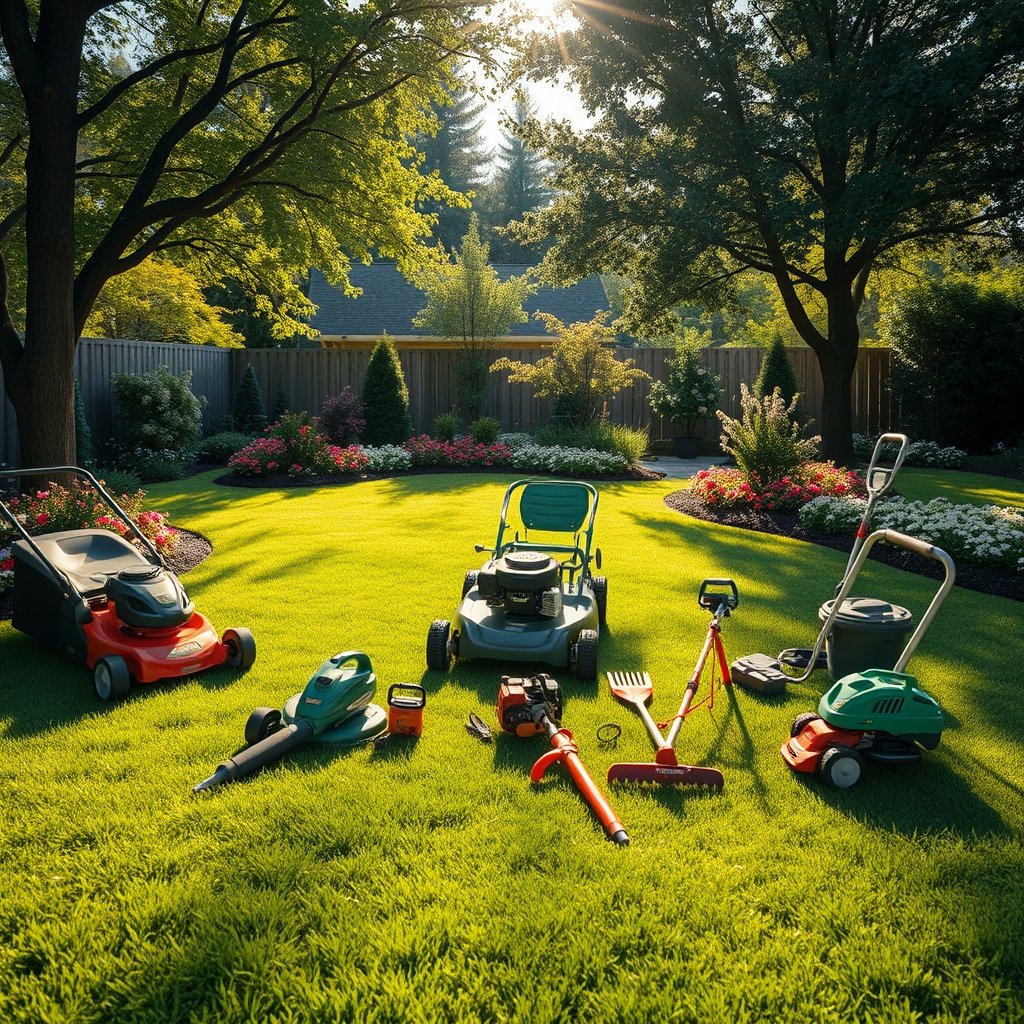
Which Categories Are Rising in Popularity (and Which Still Dominate)
Among all lawn and garden tools on the market, battery-powered and robotic options are the fastest-rising stars:
- Battery-powered mower sales rose by 8% in 2024.
- Robotic mower adoption grew by 6%.
- Zero-turn mower sales rose by 4%.
- Battery-powered leaf blowers are up 4% in homeowner ownership.
Despite these trends, traditional Lawn Mowers—manual push, gasoline, or entry-level battery—remain the essential lawn care equipment for most homes. Trimmers, blowers, and hand tools still make up a large share of lawn and garden equipment purchases, especially for those maintaining small to midsize suburban properties. For a basic list of possible tools, see our Essential Lawn Equipment Overview.
How People Are Buying — Channels and Purchase Behavior
Where you buy matters as much as what you buy. As of March 2024, 72% of lawn and garden equipment is bought in brick-and-mortar stores. This makes sense: yard equipment is heavy, often needs hands-on demo, and comes with varied service agreements.
- In-store shopping lets you try products, ask about repairs, and better compare warranty coverage.
- Online deals often win on price or model selection, but make returns and service harder if something goes wrong.
Always confirm that your chosen garden maintenance equipment is supported by a local service network—especially powered gear, where parts and repairs can be a major source of headache.
The Beginner’s Pain Points — What New Users Struggle With (and How to Solve It)
For buyers new to beginner garden tools or powered equipment, choosing and maintaining essential lawn equipment brings common frustrations. Industry research shows a lack of specific user feedback, so we analyzed reviews from major retailers and forums to identify main issues:
- Complex assembly or confusing instructions (especially on battery and robotic tools)
- Choosing a model too powerful or too light for your yard’s needs
- Anxiety about battery life/runtime or buying into the wrong battery ecosystem
- Uncertainty over maintenance or “first oil change” requirements
- Misunderstood or unclear warranty coverage
Solutions:
- Opt for tools labeled as “Quick Start” or “No Assembly Required” when possible.
- Cross-check runtime specs and compatible batteries before committing to a brand.
- Before buying powered gear, watch at least two video demos from real users rather than just reading manufacturer specs.
- Request a printed checklist of maintenance for any powered purchase—staff at most big box stores can provide this if you ask.
For more in-depth beginner help, check our guide: Lawn and Garden Equipment: 7 Amazing Ways to Improve Yard Care.
Top 3 Content Gaps Competitors Are Missing (and What We’ll Cover)
Major review sites skim the surface but rarely go deep on:
- Starter-kit costs, breakdowns, and real-world prices: Most guides assume everyone starts with the same yard and budget, blurring the huge difference between manual and powered essential lawn equipment.
- Climate and seasonality tool planning: Few cover how equipment needs and tool effectiveness vary by cold, temperate, and warm climates (or for small vs big yards).
- Durability, maintenance, and total cost by brand: Most list features but rarely show which brands/models last, need more care, or cost more to own in the long run.
No competitor has addressed these three issues in full—confirming the need for deeper, actionable advice for 2024.
Starter Kit — Average Cost Breakdown (Manual vs Powered)
Building a starter kit with essential lawn equipment means balancing yard size, climate, and budget. Here’s a realistic breakdown using current 2024 prices (Home Depot, Lowe’s, Amazon) for a suburban plot (4,000–8,000 sq ft):
| Item | Manual Tools | Battery-Powered | Gas-Powered |
|---|---|---|---|
| Lawn Mower | $120 (reel) | $325–$650 | $300–$600 |
| String Trimmer | $30–$45 | $80–$220 | $120–$250 |
| Leaf Blower | $20 (manual rake) | Leaf Blower | $100–$180 |
| Shovel/Spade | $18–$35 | — | — |
| Hedge Shears | $18–$40 | $70–$120 | $80–$130 |
| Gloves, Pruners, Accessories | $35 | $35 | $35 |
| Total (Low–High) | $205–$285 | $600–$1,185 | $635–$1,195 |
- Manual-only kits (<$300) suit small, flat yards but demand sweat equity.
- Battery or gas upgrades make the most sense for larger yards, thick grass, or buyers planning to stay put long-term.
- Financing Note: Some big box retailers and manufacturers now offer 0% interest or “pay over time” on equipment over $300—ask in-store.
- Battery Ecosystem: Buy into one battery platform (e.g., Ryobi, EGO, DeWalt) for lowest net cost and easiest charging/maintenance.
For more on sizing your kit to specific maintenance needs, see our companion post: Lawn and Garden at Home Depot.
Durability and Maintenance — What to Expect Across Brands and Models
All lawn care equipment requires some upkeep, but the type and frequency differ:
- Manual tools (reel mowers, rakes, shears): Clean after each use, sharpen blades 1–2x per year. Expect 5–10 years’ life with basic care.
- Battery models: Wipe battery contacts, store indoors between seasons, check for firmware updates (robotics). Battery life: 3–5 years, tool life: often 5–8 years.
- Gas models: Oil changes, spark plug and air filter swaps, fuel stabilizer for winter. Annual tune-ups recommended. Engines often last 5–7 years, some exceeding 10 with care.
- Robotic mowers: Blade swaps every 1–2 months during heavy season, regular debris cleaning, winter storage inside. Higher upfront cost, moderate maintenance, but save you weekly labor.
For deeper tips on tool care and maximizing equipment life, see: Modern Furniture and Tools Guide.
Year-Round Equipment Planner — Seasonal Needs by Climate Zone
Organized garden maintenance equipment buys save time and money. The table below maps seasonal needs by climate zone:
| Season | Cold Zone (Northern US) | Temperate Zone (Midwest/Northeast) | Warm Zone (Southeast/Southwest) |
|---|---|---|---|
| Spring | Cleanup rake, dethatcher, leaf blower, lawn mower (late) | Rake, manual/battery mower, edger/trimmer | Blower, mower, string trimmer, irrigation checks |
| Summer | Push mower, manual/battery trimmer, basic hand tools | Battery mower, hedge trimmer, blower, watering tools | Zero-turn or robotic mower*, battery tools, shade setup |
| Fall | Rake, blower, mulching mower, leaf bags | Blower, mower, pruning shears, aerator | Lightweight mower, trimmer, blower, mulch tools |
| Winter | Snow blower, ice melt, storage prep for tools | Off-season maintenance, tool storage, snow/ice tools | Tool cleaning, minimal active use, battery storage |
*For large or fast-growing lawns in warm zones, robotic mowers and riding equipment pay off fast. For small yards, stay manual or use lightweight battery tools; these save space and lower cost.
For a detailed planting and tool calendar, see our Vegetable Gardening for Beginners Guide.
Safety, Technical Specs, and Buying Checklist
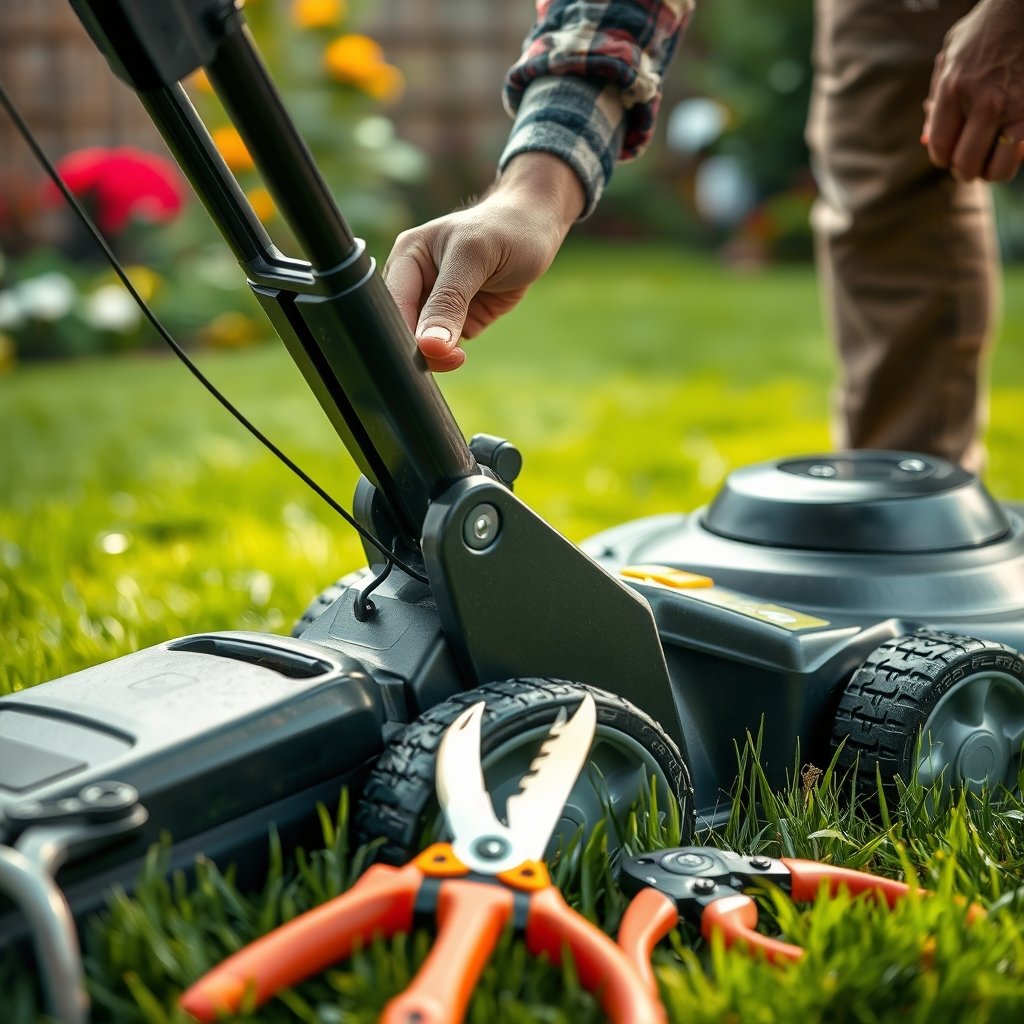
Safe use of garden maintenance equipment and smart buying go hand-in-hand:
- Read manufacturer instructions before first use.
- Use protective eyewear, gloves, and (for powered equip) closed-toed shoes.
- Never bypass safety switches or covers—they’re there for a reason.
What Specs Matter?
- Battery tools: Check voltage (V) and amp-hour (Ah); higher usually means longer run but heavier.
- Noise level: Measured in dBA—look for tools below 70 dBA for quiet operation.
- Weight: Essential for high-use tools (trimmer, mower) if users have limited strength.
- Blade width (mowers): Choose 14-16” for small yards, 20”+ for large.
- Emissions: Battery tools create none; gas models require proper ventilation.
Quick In-store/Online Checklist
- Confirm tool compatibility with your battery platform or fuel type
- Check warranty terms for parts and labor
- Ask about local repair/service centers
- Test safety switches and comfort grips
- Review user manual or online guides for your top two choices
For more buying tips and a practical overview, see also: Lawn and Garden Home Depot Shopping Guide.

How to Research Before You Buy — Sources, Reviews, and Local Service Considerations
Don’t rely only on brand websites. Before committing to lawn and garden tools, follow this research process:
- Find recent reviews on retailer sites (Home Depot, Lowe’s, Amazon)—sort by “Most Recent” to see how models perform after a year of actual use.
- Use YouTube for side-by-side video comparisons. Look for real footage in actual backyards, not just polished promo clips.
- Visit at least one dealer or hardware store to check feel and ask about warranty registration and service locations.
- Ask about available spare parts for your specific tool—especially batteries and blades.
- Double-check that your main battery mower or trimmer will support planned accessory tools you might add later. Battery “ecosystem lock-in” is real.
With robotic and smart irrigation systems trending, ensuring your gear plugs into your broader lawn plan is easier—and much more important—than ever.
Quick Decision Guide / 1-Page Summary for Homeowners
Here’s a shortcut table for picking your starter kit:
| Buyer Profile | Recommended Kit | Ballpark Spend | Pros | Cons |
|---|---|---|---|---|
| Budget Beginner | Manual mower, basic hand tools, rake, pruners | $200–$300 | Lowest cost, simplest maintenance | More physical effort, slow on big yards |
| Year-Round Steward | Battery mower, trimmer, leaf blower, hand tools | $700–$1,200 | Efficient, low emissions, ready for all seasons | Battery replacement cost, must match platform |
| Tech-Upgrader | Robotic mower, battery blower, smart irrigation | $1,500–$2,500+ | Max time savings, consistent results, app connectivity | High initial cost, learning curve, service network needed |
“Tech-Upgrader” is quickly gaining ground in 2024—robotic mower and battery tool adoption rates are climbing by 6–8% a year as homeowners seek convenience over tradition.
For further reading on choosing power tools and maximizing home efficiency, visit our guide: Best Cordless Drill for Home Use.
Conclusion
Choosing the right lawn and garden equipment in 2024 comes down to matching real-life yard size and climate with budget, ease of use, and long-term durability. Skip trends you don’t need, research batteries and brands carefully, and plan your starter kit with a clear eye on cost and future upgrades. Ready to make your first purchase or upgrade? Go in-store, test hands-on, and use this post as your buying checklist.
Want more practical home improvement ideas? Explore our DIY Renovation Tips Guide for realistic, budget-friendly solutions.
FAQs
What’s the average lifespan of battery-powered lawn equipment?
Expect most homeowner-grade battery mowers and trimmers to last 5–8 years with regular cleaning and battery rotation. Batteries themselves may need replacing after 3–5 years, depending on charge cycles and storage.
How do I decide between manual and powered equipment for my yard?
Manual tools work well for small, flat yards and buyers comfortable with more physical effort. For anything over 5,000 square feet, a powered mower and trimmer will save substantial time and effort.
Is it better to buy lawn and garden equipment in-store or online?
In-store purchases let you test products, check comfort, and ask about repairs. Online can be cheaper or offer different models, but be sure to verify warranty terms and possible return hassles before buying.
What should I look for in a mower or trimmer warranty?
Check that the warranty covers both parts and labor for repairs—not just manufacturing defects. Look for at least a 3-year coverage term and easily accessible local service centers.
Can I mix battery brands across tools?
Most brands use proprietary battery platforms, so batteries usually aren’t cross-compatible. Sticking with one brand/platform for all your gear saves money on extra batteries and increases ease-of-use.