

### Blog Post:
Home decor 1920s is back in a big way—if you want real 1920s style in your home (without tacky copies or blowing your budget), this guide breaks everything down step by step and shows you what works, what doesn’t, and how to start, even if you’re new to Art Deco. We fill in the research gaps, address both practical and design frustrations, and give you actionable routes to create stunning, authentic vintage glam interiors for 2024 and beyond.
Key Takeaways
- 1920s-inspired decor is one of the top 10 most searched interiors in 2024, with Gen Z leading the surge—searches for “1920s kitchen original” have jumped by 494%.
- Authenticity means blending correct materials, geometry, and controlled color—not just throwing up geometric patterns or shine everywhere.
- Getting real Art Deco style is doable on a budget if you know how to source, shop, and mix reproduction with original pieces intelligently.
- Why 1920s-Inspired Home Decor Is Back (Trend snapshot)
- Step-by-Step: How to Build an Authentic 1920s Interior
- Advanced Analysis & Common Pitfalls
- Conclusion
- Frequently Asked Questions
Why 1920s-Inspired Home Decor Is Back (Trend snapshot)
In 2024, interest in home decor 1920s is skyrocketing. Art Deco style—synonymous with Roaring Twenties decor, glamour, and cutting-edge design—now ranks in the top 10 most searched interior design styles. According to market data, new generations (especially Gen Z) are driving this resurgence, using platforms like Pinterest and Instagram for inspiration and thrifting for statement finds.
The numbers don’t lie. Pinterest reports a 494% increase in searches for “1920s kitchen original.” This isn’t nostalgia—it’s a design movement fueled by people seeking authenticity, craftsmanship, and vintage glam interiors with modern-day relevance. If you want to stand out (or simply avoid a superficial, kitschy look), you need a plan that goes deeper than surface-level trend-spotting.
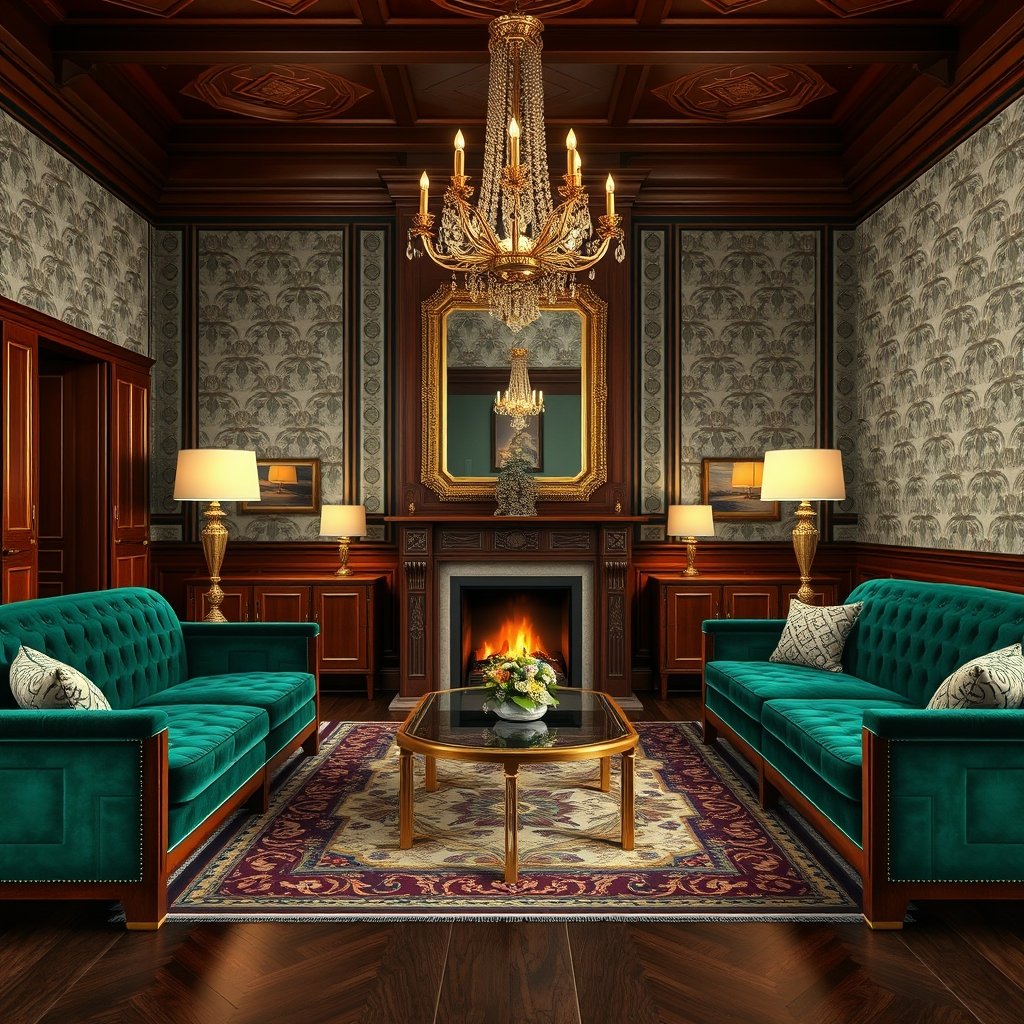
Step-by-Step: How to Build an Authentic 1920s Interior
The keys to a real 1920s transformation aren’t secret. Here’s a clear, research-backed process to get you from moodboard to real-world results:
-
Define Your Space & Scope
Choose one room (e.g., living, kitchen, or bedroom) as your hero project. Note down fixed modern elements (floorplan, windows, built-ins) you can’t change—and what you can. -
Nail the Color Palette
Authentic 1920s colors include black, white, brass, gold, jade, deep blue, burgundy, and soft pastels. Limit the palette to 3-4 shades for a non-chaotic look. -
Choose Your Era Elements
Pick two core “signals” from the 1920s: these might be geometric patterns (on a rug, wallpaper, or mirror), vintage glam lighting (think frosted glass or brass pendants), or streamline curves in furniture. -
Sourcing: Set a Budget Tier
For art deco home decor, originals (from auctions or antique dealers) can run $300-2,000+ per piece. High-quality reproductions are $60-500 (lighting, mirrors, small furniture), and vintage-styled items from modern retailers can be under $250. Choose where you want to invest and when you can thrift.- Top sources for originals: 1stDibs, Chairish
- Quality reproductions: Restoration Hardware, Wayfair
- Local thrifting: Flea markets, estate sales, and vintage stores (always inspect condition and authenticity)
-
Prioritize Focal Points—Not Everything at Once
Select one or two showcase pieces: an inlaid Art Deco cabinet, a geometric mirror, or a bold vintage chandelier. Surround these with streamlined, modern basics to keep the space calm—but far from boring. -
Respect Scale & Negative Space
1920s style is about drama, but not clutter. Oversized mirrors, tall lamps, and broad-shouldered sideboards work—but match their scale so the room feels intentional. -
Balance Textures & Metals
Mix shiny with matte: Pair a polished brass lamp with a matte lacquered side table, and add velvet, shagreen, enamel, or inlaid woods for tactile depth. -
Connect Eras Intentionally
Intermix vintage elements with minimalist modern: let a sculptural Art Deco chair punctuate a clean-lined sofa setup. Use cushions, throws, or wall art to echo your color story.
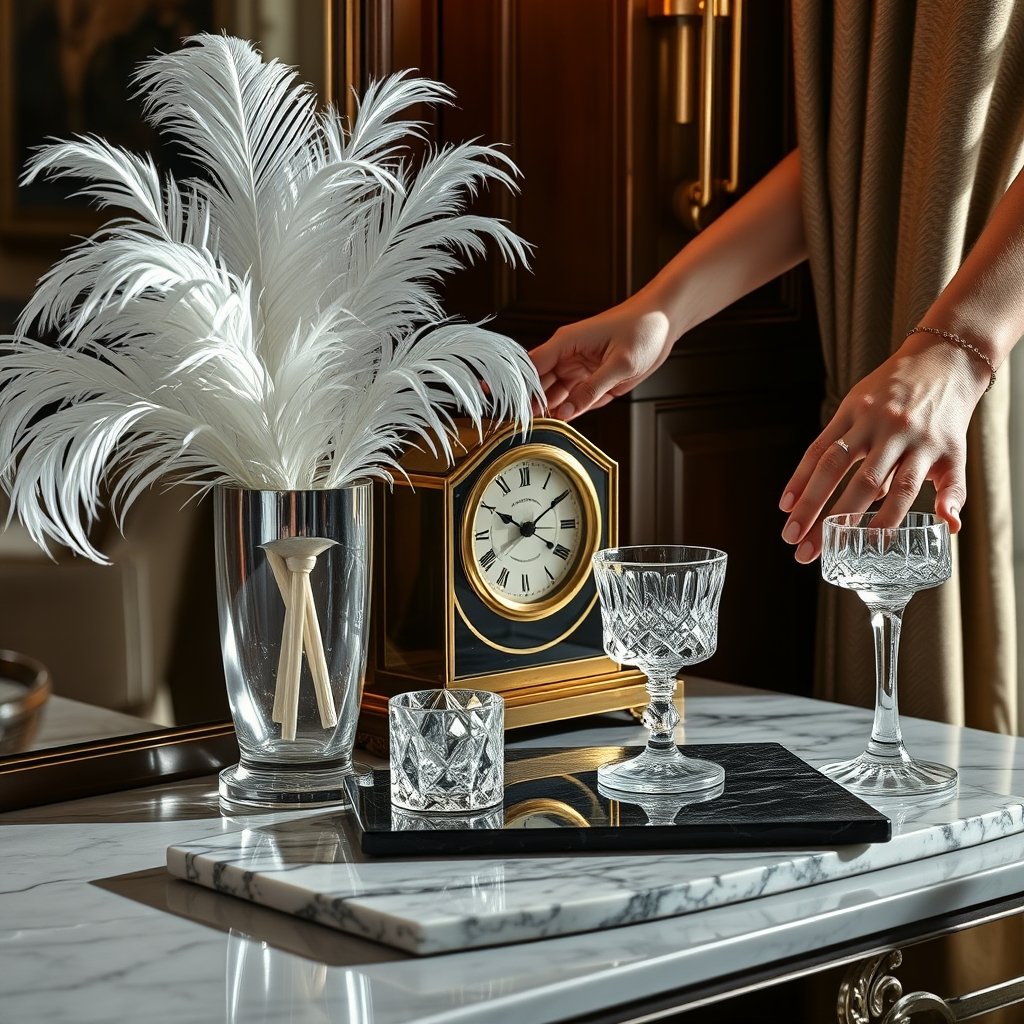
Want a full room example? Here’s a quick breakdown for a living room:
- Focal Point: Large octagonal mirror ($200 vintage, $80 reproduction)
- Color Palette: Black, gold, soft teal, ivory
- Textiles: Velvet throw pillows with scalloped trim and geometric rug
- Lighting: Brass and glass hexagonal pendant light ($350-900 original, $130-250 reproduction)
- Modern Anchor: Streamlined neutral sofa or side tables—see our modern furniture and tools guide for how to select and combine textures
Combine these elements, and you have a typically sized 1920s living area re-invention for under $1,500 (if you thrift and mix smartly), or $3,000+ if hunting for investment pieces.
Advanced Analysis & Common Pitfalls
Getting 1920s or Art Deco home decor wrong is easy—most guides and Instagram feeds gloss over the challenges or simply throw geometric motifs everywhere. Here’s where most DIY decorators stumble and what you can do instead:
| Mistake | Why It’s a Problem | Simple Fix |
|---|---|---|
| Overusing Surface Motifs | Covering every wall/fabric in geometric patterns makes the space chaotic, not elegant. | Use ONE major geometric element per sightline (e.g., rug OR wallpaper but not both). |
| Wrong Materials | Choosing cheap plastics instead of glass, marble, or lacquer looks inauthentic and dates fast. | Opt for high-quality vintage or reproduction items, or upcycle wood and metal for durability. |
| Flat Copies Without Texture | Prints missing the 3D feel of the era feel cheap; shiny without substance misses vintage glam. | Mix velvet, bone inlay, glass, and metallics—add at least one tactile or reflective surface per room. |
| Incoherent Color | Using too many bold shades without a “grounding” neutral confuses the space. | Stick to your 3-4 primary colors and repeat them across multiple decorative pieces for flow. |
| Wrong Scale | Miniature furniture or overlarge accessories break the era’s balance. | Match main piece scales (e.g., large mirror, tall sideboard, and full-length curtain) for unity. |
The biggest challenge is sourcing. Originals are often expensive and rare, and contemporary “Art Deco” mass-market options sometimes use off-tone colors or fake golds that don’t hold up. Budget-conscious decorators struggle to mix affordable reproductions with true period finds—yet if you follow a focal-point strategy, prioritize finish/texture, and avoid clutter, you get a far more authentic impression.
Another overlooked hurdle is fitting roaring twenties decor into today’s open-plan spaces or minimalist homes. Instead of fighting the bones of your house, use two or three Art Deco “signatures” (a lamp, mirror, or wall panel) and let contemporary, natural woods or solid-color modern seating bridge the gap. See our guide on choosing decor trends for help aligning vintage with your actual lifestyle.
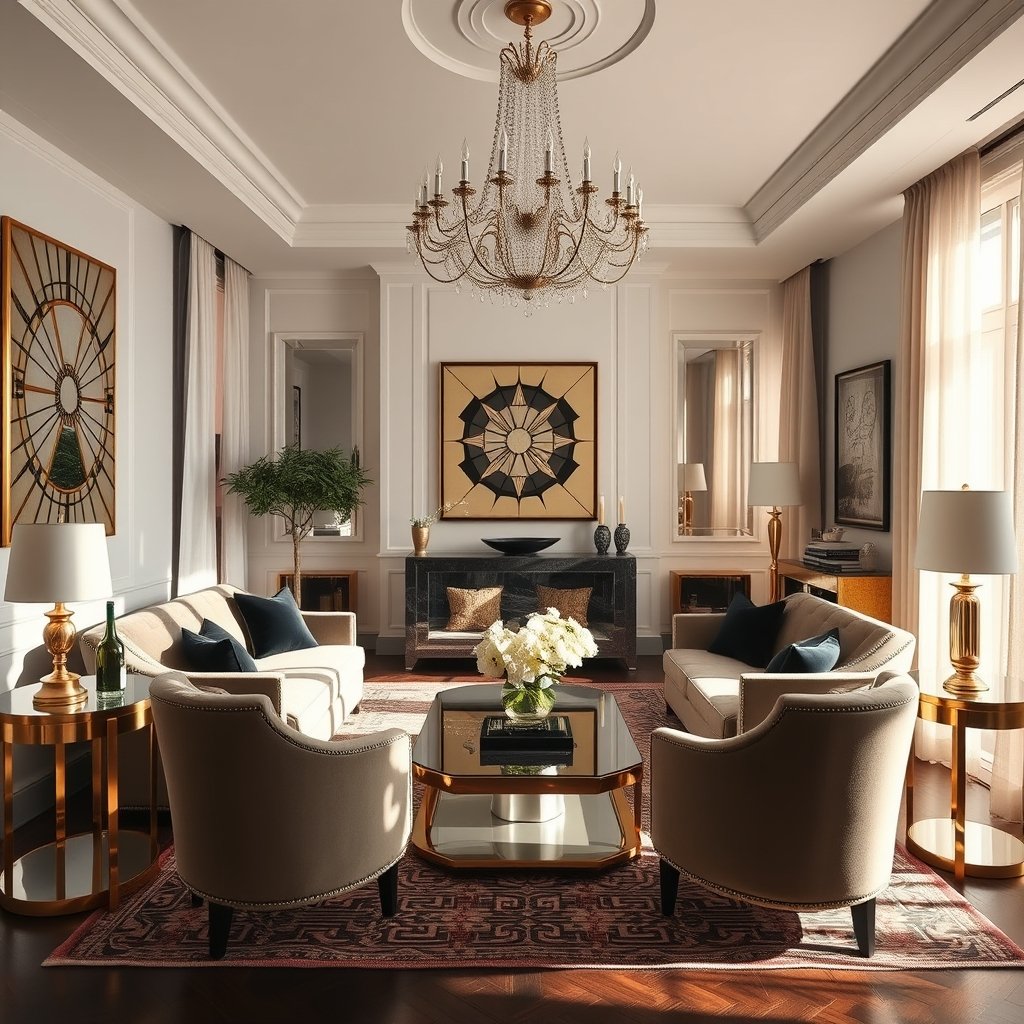
Conclusion
Reviving home decor 1920s is easier—and more affordable—than you might believe. Start with one bold, authentic element, build a controlled palette, and know where to spend (and where to save) when shopping. Study the pitfalls above, prioritize quality materials and smart scale, and use negative space between true period finds and streamlined modern basics for an unmistakable Art Deco vibe. Thrift when you can—splurge when it matters. If you’re ready to give your home a historic reboot, the steps above will help you move from inspiration to real transformation. Start today, and explore more vintage design strategies in our detailed Art Deco style guide.
Want help with specific rooms, sourcing tips, or figuring out your own 1920s signature style? Get our thrift store buying guide here or check our home decor and furniture advice to maximize your next room redo.
Frequently Asked Questions
What specific colors define true 1920s home decor?
Genuine 1920s interiors use a mix of bold and pastel hues: black, white, rich emerald or jade, navy blue, burgundy red, brass gold, deep ochre, plus soft blush pink and ivory. The key is not just the colors but also limiting to 3-4 per space for harmony.
How do I spot fake versus authentic Art Deco pieces?
Check for age (patina on metals, joinery on wood), weight (real glass and stone vs. plastic), period-accurate makers’ marks, genuine inlay materials, and style proportions. If shopping online, ask sellers for provenance, close-up photos of edges, and underside detailing.
Can I mix 1920s elements with modern furniture without it looking messy?
Yes. Choose one or two statement Art Deco pieces and keep other furniture shapes minimal and modern. Use common color accents and repeat textures (e.g., a brass lamp, brass mirror frame, velvet cushions) for continuity.
What are common rookie mistakes with 1920s-inspired DIY decor?
Overusing geometric prints, using plastic where glass or brass belongs, mishandling scale (either too tiny or super-sized), and adding too many colors. Avoid these by focusing on quality, limiting patterns, and planning before buying.
Where’s the best place to buy affordable vintage glam pieces?
Online: Try 1stDibs, Chairish, and reputable eBay sellers (check ratings!). Locally, estate sales, flea markets, and trusted antique dealers work well. For reproductions, many mainstream retailers offer Deco-style lighting, mirrors, and textiles at budget prices.
—