

### Blog Post:
Best patio umbrella for wind is a term you’ll see everywhere, but if you live in a truly windy spot—a rooftop, coastal property, or open backyard—the reality is most outdoor shade solutions won’t stand up to the elements unless you rigorously select, install, and maintain them. Below, get engineering-informed advice that will help you avoid expensive mistakes, misleading “wind-resistant” claims, and short umbrella lifespans.
Key Takeaways
- Manufacturer wind ratings are often based on controlled tests—not real-world storms—so always close umbrellas at gusts above 20–24 mph.
- Flexing fiberglass ribs, marine-grade aluminum or steel, and vented canopies are must-have features for any best patio umbrella for wind.
- Bases and secure anchoring are as important as the umbrella itself. The wrong base makes even a top-rated wind resistant umbrella tip or break.
- Executive snapshot — Which umbrellas actually claim wind resistance
- What “wind-resistant” actually means — ratings, test types, and the Beaufort context
- The engineering features that matter most (materials, structure, and venting)
- Base compatibility, weighting, and anchoring (an under-covered but essential topic)
- Common failure modes and buyer complaints (what goes wrong in the field)
- Real-world performance vs. manufacturer claims (coastal, rooftop, open backyard case studies)
- Cost expectations and value analysis (what the research does and does not reveal)
- Installation, maintenance, and post-wind-event checks (practical how-to)
- Longevity and long-term durability — what the data is missing
- Certifications, standards, and how to verify claims (what to trust)
- Short buyer’s checklist and recommended use cases (quick actionable guidance)
- Top misconceptions and FAQ (short answers to buyer doubts)
- Conclusion and next steps (call to action)
Executive snapshot — Which umbrellas actually claim wind resistance (quick comparison)
When it comes to best patio umbrella for wind, only a handful of manufacturers publicly state wind resistance in miles per hour. Shademaker Astral leads with a 64–72 mph (Beaufort 11, “violent storm”) rating, making it a standout for rooftops. Shademaker Atlas sits at 39–46 mph, and FiberBuilt’s Lucaya/Riva/Oceana models are engineered for coastal use with a 28–33 mph range. Frankford’s NOVA GIANT TELESCOPING survives lab blasts of 50 mph, while its MONTEREY FIBERGLASS MARKET is rated to 40 mph. The ECLIPSE CANTILEVER can reach 30–35 mph with stabilizers in place.
| Model | Manufacturer Wind Rating (mph) | Key Features |
|---|---|---|
| Shademaker Astral | 64–72 | Steel base, commercial-rated, rooftop use |
| Shademaker Atlas | 39–46 | Vented canopy, heavy-gauge frame |
| FiberBuilt Lucaya/Riva/Oceana | 28–33 | Fiberglass ribs, marine-grade aluminum |
| Frankford Nova Giant Telescoping | 50 | Commercial aluminum, stabilizer compatible |
| Frankford Monterey Fiberglass Market | 40 | Fiberglass ribs, commercial grade |
| Eclipse Cantilever | 30–35 | Stabilizer doable, single wind vent |
Source: AuthenTEAK, Frankford Umbrellas, Bob Vila
What “wind-resistant” actually means — ratings, test types, and the Beaufort context
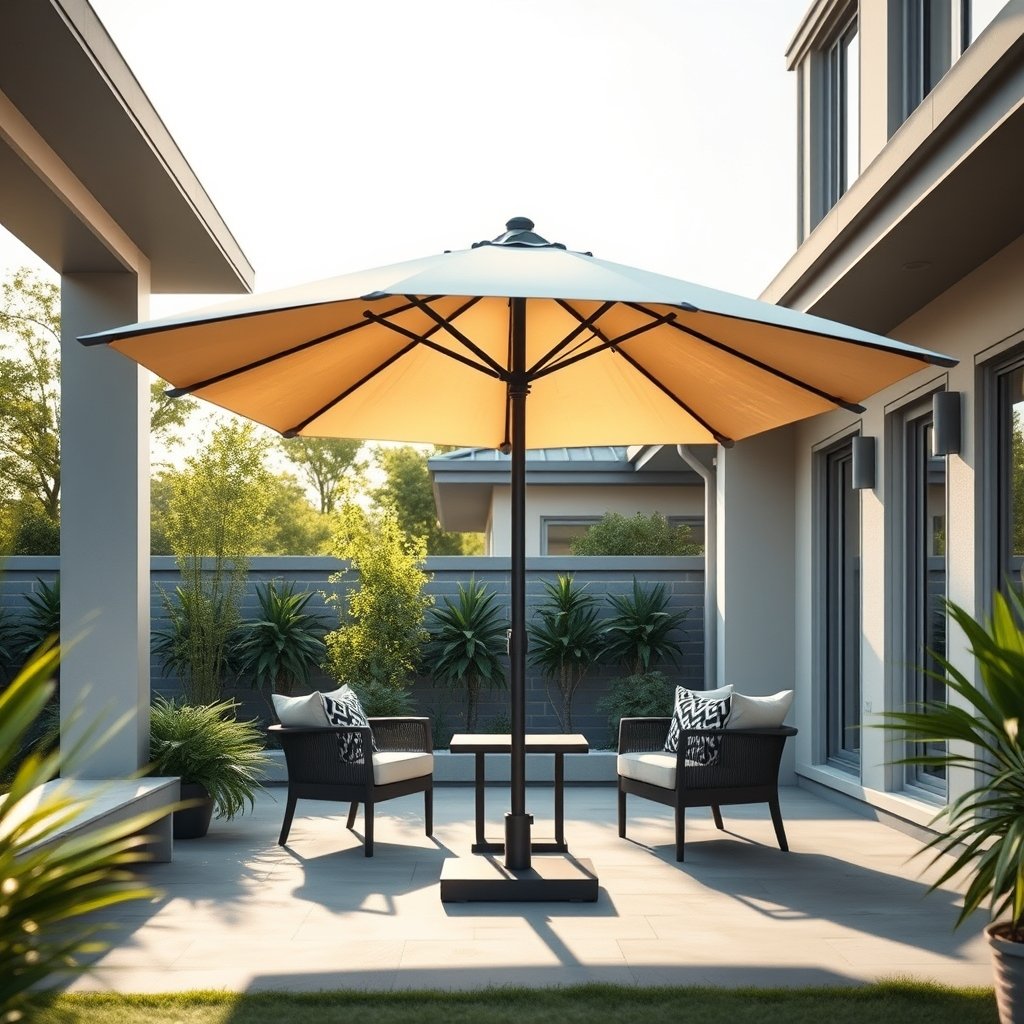
Wind resistant umbrella ratings are not always apples to apples. Some use real-world wind tunnel testing, while others compare to the Beaufort scale—a meteorological scale where Beaufort 11 (64–72 mph) means “violent storm”. Most wind ratings are based on in-house lab or controlled tests, not outdoor environments filled with gusts, updrafts, or unpredictable wind shifts. For example, FiberBuilt and Shademaker quote both mph and Beaufort. However, no formal third-party certifications or ASTM standards exist for outdoor shade wind resistance to date.
The bottom line: even the most wind resistant umbrella can be at risk if left open above 20–24 mph, despite bold manufacturer claims. It is critical for homeowners to understand these “up to” wind ratings are under ideal conditions—and closing umbrellas early is a must for long-term durability.
For backyards, seek umbrellas rated Beaufort 6 (25–31 mph) or higher, and for rooftops, opt for Beaufort 8 or above whenever possible.
The engineering features that matter most (materials, structure, and venting)
What separates a truly wind resistant umbrella from the crowd? Three engineering choices matter most:
- Flexible fiberglass ribs—These absorb and release wind energy without snapping. FiberBuilt uses this extensively in coastal-rated models.
- Vented canopies—Single or dual wind vents in the canopy let air escape, reducing uplift. This design alone can boost survivability above 30 mph, found in Shademaker Atlas and others.
- Thick-gauge, commercial aluminum/steel frames—Heavy frames, marine-grade powder coating, and reinforced hubs resist bending and corrosion in salt air or high-wind environments. The Astral, Atlas, and Frankford Nova all feature these construction elements.
Cheaper umbrellas often use slim aluminum or plastic ribs and unrated polyester canopies—which bend, tear, and fail at wind speeds under 19 mph (Beaufort 5).
For more on robust engineering in outdoor gear, read our modern furniture and tools guide.
Base compatibility, weighting, and anchoring (an under-covered but essential topic)
The secret to a wind resistant umbrella that stays upright is in the base—not just the umbrella. Inadequate base weight is the leading cause of tipping or sliding in wind. For umbrellas rated above 28 mph, expect to need:
- Commercial cast iron or steel bases (100–200 lbs, sometimes more for giant models)
- For rooftops: permanent anchoring kits, weighted “paver bases”, or bolting to concrete/patio stone
- stabilizer kits for cantilevers, which can add up to 5 mph extra survivability (Frankford test data)
If your umbrella is rated for 30+ mph winds, use a base recommended by the manufacturer, ideally no less than 100 lbs. There is no universal “safe minimum”—match the base to the umbrella size, consult installation diagrams, and use stabilizer bars for cantilevers. Research shows improper bases void wind ratings and warranty claims.
For those prioritizing easy installation and long-term value, internally compare this with compact laundry setup tips—where fit and support matter as much as engineering.
Common failure modes and buyer complaints (what goes wrong in the field)
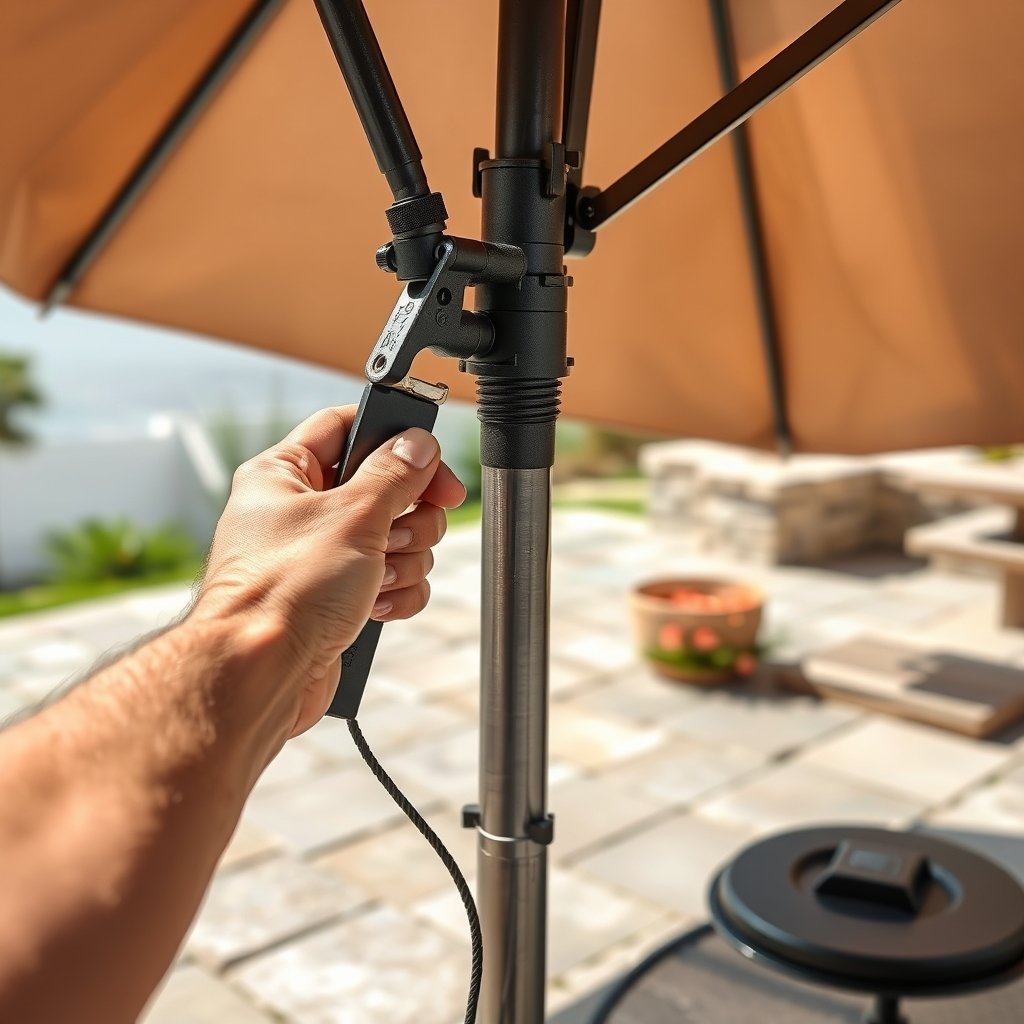
What actually goes wrong with wind resistant umbrellas in practice?
- Tipping from underweighted bases is the most reported disaster, especially when users trust light resin or plastic fills in high-wind zones.
- Rib bending or fracture can occur if aluminum or steel is used instead of fiberglass—or if wind speeds climb above design thresholds before closing.
- Canopy tearing at stress points or hubs—common if the umbrella is left open in strong gusts or if the fabric is low quality.
- Difficult opening/closing in breezy conditions—High resistance can stress the frame or users, especially on larger models with less sophisticated pulley systems.
Testing (see Bob Vila’s review) confirms that “30 mph” umbrellas like Phi Villa often perform well around 20 mph but are unverified at maximum claims. Brands and experts overwhelmingly recommend closing all umbrellas at 20–24 mph—or when flapping, tilting, or resistance is felt opening/closing. Lack of sufficient ballast or base weight is the recurring cause in user stories and expert tips.
Protect your investment—don’t trust wind ratings as a license to leave the umbrella open unattended. If you’ve ever moved large furniture in a breeze, you’ll know why—see furniture moving advice for a similar “anchoring first” ethos.
Real-world performance vs. manufacturer claims (coastal, rooftop, open backyard case studies)
Wind tunnel ratings are one thing. Real-world properties have unpredictable, swirling, and gusty winds. Here’s how top-rated umbrellas actually perform:
- FiberBuilt (28–33 mph): Flexible ribs and marine-grade hardware have kept umbrellas intact on Florida/California coastlines in moderate storms. Owners praise their durability if they close early and anchor bases well.
- Shademaker Astral (64–72 mph): Engineered for commercial rooftops and high-rises, these perform as claimed when bolted to heavy steel bases. If used in open ground with an undersized base, tipping risk goes up sharply.
- Phi Villa: Survived 20 mph gusts and thunderstorms during on-site Bob Vila test—not pushed to 30 mph claim. Fabric and stitching still intact.
Manufacturers like Frankford admit: despite 40–50 mph lab results, their umbrellas should be closed when not in use or when wind picks up—mirroring Consumer Reports guidance for all outdoor shade.
Cost expectations and value analysis (what the research does and does not reveal)
There is a notable gap in public pricing for the best patio umbrella for wind. No major review or manufacturer provides clear cost breakdowns for wind-resistant models or compatible bases. Based on anecdotal listings, expect to pay at least 2–4 times more for true wind resistant umbrella models than for standard umbrellas—plus the added expense of a compatible a heavy, compatible base/stabilizer system.
This is a multi-part investment: budget for the umbrella, compatible weighted base, and any stabilization or anchoring hardware. For cost-savvy buyers, learn from our smart home shopping guide about layered investments in quality outdoor goods.
Lastly, because the research shows only umbrella specs and fails to report brand-by-brand cost, request full quotes—including install and delivery—before buying.
Installation, maintenance, and post-wind-event checks (practical how-to)
The difference between a wind-resistant umbrella that lasts and one that flies away: rigorous installation and routine TLC.
- Check manufacturer diagrams for base compatibility. For wind ratings above 28 mph, most brands publish a required minimum base weight. If unsure, call their support line.
- For cantilever umbrellas, install optional stabilizer arms—they boost wind tolerance by 5 mph in some models, per Frankford test data.
- Inspect all bolts, anchors, and pivots monthly. After any wind event over 20 mph, check for rib flexing, hub cracks, or canopy tears.
- Wash the canopy with mild soap and water seasonally, and re-apply marine-grade water repellent if recommended.
- Never open the umbrella if wind exceeds 20–24 mph. If caught open in a sudden gust, close it immediately—don’t wait for flapping or tilting.
Want more context for outdoor routines? See our low-maintenance backyard ideas for up-to-date site prep and aftercare tips.
Longevity and long-term durability — what the data is missing
While brands like FiberBuilt tout flexing fiberglass for long-term shape retention, current research finds no published multi-year, high-wind durability studies for any patio umbrella model. Warranties are one of the only available proxies—favor umbrellas with multi-year or commercial warranties, and always ask for details on wind exclusions (many exclude wind damage above a certain speed, regardless of “rating”).
Plan to re-tighten all fixtures and inspect structural integrity at the end of each outdoor season—especially if your outdoor shade faces consistent winds. For more on caring for outdoor investments, see this upholstery care guide.
Certifications, standards, and how to verify claims (what to trust)
Manufacturers typically rely on self-conducted engineering tests and reference the Beaufort scale to communicate wind resistance. Shademaker Astral is tagged Beaufort 11 (64–72 mph), Atlas at Beaufort 8 (39–46 mph), etc. Frankford provides in-house test documentation (e.g., Nova at 50 mph). Bob Vila’s hands-on tests and Consumer Reports advice supplement brand data, but no umbrella-specific ASTM or ISO certification currently exists.
If the product page mentions independent wind tests or scientific standards, request a report. If only Beaufort is cited, check that the stated mph aligns with reality (see AuthenTEAK breakdown). Above all, don’t trust wind claims unless paired with practical installation and closure rules.
Short buyer’s checklist and recommended use cases (quick actionable guidance)
- For true coastal or rooftop wind, select umbrellas rated Beaufort 8 (39+ mph) or higher, such as Shademaker Astral or Frankford Nova.
- Backyards with gusty, but not extreme, wind: FiberBuilt Lucaya/Riva/Oceana (28–33 mph) offers a realistic balance.
- Always use a weighted base as prescribed—add stabilizer arms if available.
- Use a wind meter to check conditions; close umbrella if readings hit or exceed 20–24 mph, regardless of umbrella “max” rating.
- Never leave the umbrella open and unattended in unpredictable environments.
- Always inspect after significant wind events and tight bolts/anchors as needed.
- Match installation method (bolt, paver, mobile base) to your site: patios and decks may need permanent anchoring, while lawns require extra ballast.
- Remember: umbrella wind ratings are for controlled tests. Field reality is always a step less forgiving.
For more tips on making the best outdoor decisions, see related site guides like backyard jacuzzi planning or beginner-friendly garden layouts.
Top misconceptions and FAQ (short answers to buyer doubts)
Does a heavy base make any umbrella windproof?
No. Even with a heavy base, frame design, canopy venting, and correct closure at high winds are necessary for wind resistance. The base only helps up to the umbrella’s engineering limit.
Can I leave a “wind rated” umbrella open all season?
No. Manufacturer wind ratings are for short-term, ideal conditions. Always close at 20–24 mph, and never leave open when unattended.
Why don’t patio umbrellas have official wind certifications?
No patio umbrella certification exists (like ASTM or ISO) as of 2024. Wind claims rely on internal tests and the Beaufort scale.
Which material is best for wind resistant umbrella ribs?
Fiberglass is the most effective rib material because it flexes under wind load and returns to shape, reducing snap/break risks.
How much should I budget for a wind resistant umbrella and base?
Reliable wind resistant models—plus proper weighted base—typically cost twice (or more) as much as standard umbrellas, often $700–$2,500+ all-in, but actual pricing varies and is not always published.
Conclusion and next steps (call to action)
Choosing the best patio umbrella for wind means combining verified wind ratings, resilient materials, and robust installation with a healthy respect for weather. No umbrella is “storm proof”; manufacturer wind resistance metrics help, but closing at 20–24 mph is a non-negotiable best practice. Prioritize a heavy, compatible base and install for your actual site. Ready to make a confident choice? Download our printable checklist or consult a certified installer—especially for rooftop or extreme-wind locations. Don’t wait for a gust to put your investment—and safety—to the test.