


Chinch bug control near me is a growing concern for anyone battling unexpected brown patches in their yard or damage in their sorghum or wheat fields—even in 2024, local solutions feel frustratingly out of reach. New outbreaks are hitting harder, insecticide resistance is rising, and the old advice doesn’t work like it used to. This guide delivers an up-to-date, actionable approach so you can get real, lasting results right where you live.
Key Takeaways
- Chinch bugs are more resistant than ever—modern control requires integrated strategies beyond just spraying insecticides.
- Correct identification and vigilant monitoring are essential; most homeowners miss critical hot spots where bugs hide.
- Local extension services offer thoroughly researched, region-specific guidance—these resources are invaluable for effective chinch bug control near you.
- The Core Concept: Chinch Bug Control in 2024
- Step-by-Step Guide: Effective Chinch Bug Control Near Me
- Advanced Analysis & Common Pitfalls
- Conclusion
- FAQ
The Core Concept: Chinch Bug Control in 2024
Chinch bugs may be small, but their impact can devastate both lawns and crops. In 2024, the challenge of chinch bug control near me has shifted dramatically. Widespread insecticide resistance means most over-the-counter sprays are no longer effective—even after repeated treatments, the bugs keep coming back. Complicating matters, most people only notice the bug problem after significant grass or crop damage, not before. Correctly identifying chinch bugs (not to be confused with false chinch bugs) is trickier than many guides suggest.
Local outbreaks have been especially severe in Kansas, Oklahoma, and states like Nebraska, with homeowners and farmers seeing escalating damage every summer. The solution? Combine proper scouting, precise identification, strong cultural practices, and new biological controls—while staying updated with local expert advice. Neglecting even one step usually means repeating the frustrating cycle year after year.

Step-by-Step Guide: Effective Chinch Bug Control Near Me
-
Scout and Confirm the Culprit
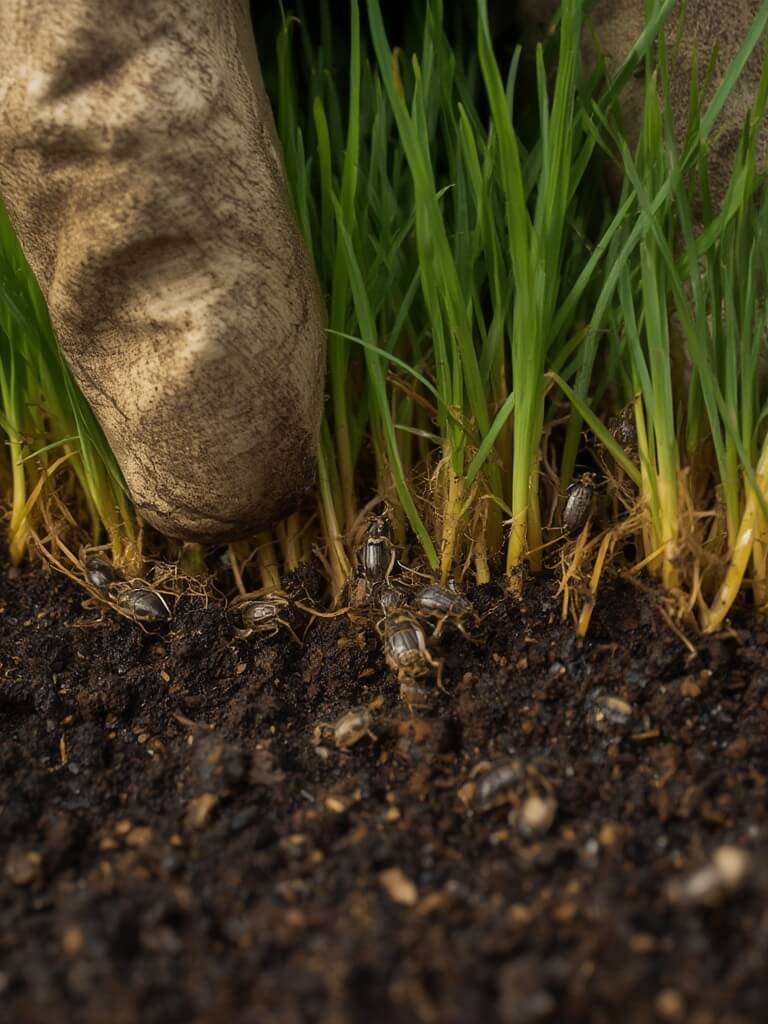
Start by thoroughly inspecting suspect areas. Use the “can sampling” method in lawns: Cut both ends from a metal can (such as a coffee can), press it firmly 2–3 inches into yellowed grass, and slowly fill with water. Wait several minutes; chinch bugs will float to the top for counting. If you find more than 4–5 chinch bugs per sample, it’s time to act.
In crops (like sorghum or wheat fields), carefully examine under leaf sheaths, at the base of plants, and within newly seeded stands. Don’t confuse true chinch bugs (4mm, black with distinctive wing markings) with the larger aggregations of false chinch bugs (lighter gray and X-patterned wings), which have different thresholds and rarely cause economic loss in lawns.
For detailed visuals and identification tips, your local Texas A&M Extension or Nebraska Extension resource pages are excellent references. -
Apply Integrated Pest Management (IPM)
Direct chemical treatment alone is rarely enough. Start with preventive practices:- Lawn Care: Water deeply (not daily), mow no shorter than optimal height, limit high-nitrogen fertilization during bug-prone months, and reduce thatch to under 0.5 inch.
- Crop Fields: Plant resistant varieties when available and rotate crops to disrupt pest cycles.
If numbers exceed thresholds, and especially if damage is spreading to healthy grass/crops, then:
- Use labeled insecticides (such as bifenthrin or lambda-cyhalothrin) as a last resort. Rotate chemical classes where possible, but acknowledge that resistance is common in 2024.
- Consider biological controls—Beauveria bassiana fungus is a safe option for some lawns.
- Monitor regularly; retreatment is often necessary due to resistant populations.
- Consult local county or university extension services for product and timing recommendations specific to your region.
For even greater weed/outbreak resistance, introducing plant diversity (for example, a mix of turfgrass species) can reduce infestations long-term.
-
Track Progress and Reassess
Two to three weeks after intervention, resample affected areas. If chinch bug levels are unchanged, escalate with professional help or experiment with further organic and mechanical controls. Document each approach for future seasons.

Want to improve turf care even further? Check out our Smart Home Devices Guide for automating lawn irrigation and finding connected pest sensors.
For those balancing chinch bug issues alongside overall yard upgrades, our modern furniture and tools guide features practical strategies to streamline all your home improvements in one season.
Advanced Analysis & Common Pitfalls
Chinch bug control is rarely straightforward—most failures result from missing subtle warning signs, not recognizing resistance, or misidentifying the bug species. Here’s a breakdown of issues most homeowners encounter:
- Pitfall 1: Treating Visible Damage, Not Emerging Infestations—Most only notice chinch bugs after grass or crop discoloration. By then, bugs are numerous and more difficult to control.
- Pitfall 2: Insecticide Overuse and Resistance—Repeated sprays with the same chemical class accelerate resistance, leading to colonies that survive even labeled rates. Chemical failure rates are surging in 2024 across the southern and midwestern U.S.
- Pitfall 3: Confusing True and False Chinch Bugs—False chinch bugs need higher population thresholds for action (for example, over 140 bugs/head in grain sorghum), so incorrect identification wastes time and money on unnecessary treatments.
- Pitfall 4: Incomplete Inspection—Not checking under thatch, leaf sheaths, or plant bases means infestations are missed during early detection.
- Pitfall 5: Skipping IPM Steps—Using just one tool (like a single spray) ignores the complexity of recurring infestations and climate-driven changes in bug behavior.
| Problem Area | Old Advice | 2024 Reality | Recommended Fix |
|---|---|---|---|
| Insecticide Reliance | Spray pyrethroids or carbamates at first sign | High failure rates; resistance documented region-wide | Combine chemicals with cultural, biological and mechanical approaches |
| Chemical Rotation | Alternate between two insecticides | No new chemical classes available; rotation less effective | Minimize use, supplement with prevention, and regularly monitor resistance trends locally |
| ID Issues | Visual check of grass | Bugs hide under thatch and leaf bases; can-sampling yields more accurate results | Use systematic can-sampling at damage boundaries |
| Response Time | Wait until large patches show brown/dead grass | Early outbreaks are far easier to control | Scout weekly during growing season, especially after rain or heat spikes |
If you’re unsure about local extension service practices or want to get more advanced, see how they compare in your area via trusted university links or consider nearby farming cooperatives. Extension offices like Kansas State University or University of Florida IFAS provide regular region-specific updates around resistant populations.
Don’t forget: For broader home and landscape savings, our smart shopping guide for homes and pets can help you allocate your pest-control budget more wisely when chinch bug costs spiral.

Conclusion
Modern chinch bug control near me involves more than spraying what’s available on the shelf. To really beat chinch bugs in 2024, you need to accurately identify the invader, watch for signs early, combine lawn health practices with the most up-to-date treatments, and embrace support from experienced local extension agents. Commit to IPM methods, document what works, and stay vigilant—especially as resistance patterns continue to change. Need more actionable tips for home and garden? Explore the latest advice on finding your decor voice or see budget-friendly home upgrades with our guides. Ready to put an end to chinch bug trouble for good? Start with careful scouting—then act before damage spreads.
FAQ
How do I know if I have chinch bugs or something else?
Use the can-sampling method in suspect grass patches and look for small, black bugs with white-marked wings (true chinch bugs). False chinch bugs are lighter gray with clear “X” wing patterns. If in doubt, bring a sample to your local extension office.
Why isn’t the insecticide working on chinch bugs in my yard?
Chinch bugs are increasingly resistant to pyrethroid and carbamate insecticides. Repeat failure even with new products usually means you need an integrated pest management approach, not just chemicals.
Can I control chinch bugs organically?
Organic options include the fungus Beauveria bassiana, regular thatch removal, adjusted watering schedules, and increased plant diversity. These steps work best when started before populations explode.
When should I call in a professional for chinch bug control?
If repeated home interventions fail and chinch bug levels remain high after sampling, seek a local pest management professional or consult your university extension service for current recommendations.
How often should I scout for chinch bugs?
Weekly checks from late spring through early fall are recommended, especially after stretches of hot, dry weather or if brown patches begin to appear.