


Backyard landscaping ideas can upgrade your outdoor space, boost curb appeal, and increase home value—even on a tight budget. But before you start hauling in plants and pavers, it’s crucial to know what works, what it costs, and where most projects hit a snag. This guide reveals realistic, actionable strategies proven to save time, money, and frustration for both beginners and seasoned homeowners.
Key Takeaways
- Low-maintenance landscaping relies on smart plant choices and practical design—native plants often deliver the best results for less upkeep.
- Average U.S. households spend $621.56 annually on landscaping, but costs vary widely based on location and project type.
- Avoid common mistakes by understanding costs, your limits, and by balancing DIY with expert help for complex projects.
- The Core Concept: Backyard Landscaping Ideas Explained
- Step-by-Step Guide to Low-Maintenance Backyard Landscaping
- Advanced Analysis & Common Pitfalls
- Conclusion
- FAQ
The Core Concept: Backyard Landscaping Ideas Explained
Effective backyard landscaping ideas make your outdoor living area more functional and stylish, often increasing home value while improving everyday enjoyment. Smart landscaping goes beyond pretty flowers; it includes choosing materials and plants that are easy to maintain, considering climate and soil, and designing for your lifestyle—not just looks. The goal is a backyard you’ll actually use, without spending every weekend doing maintenance.

The current landscaping industry is booming—serving over 726,000 households in the U.S., with $158.9 billion in revenue generated in 2024 (source). But even as design trends evolve, the core principles remain the same: plan smart, keep it manageable, and use solutions that fit your budget and ability.
Homeowners often overestimate what they can maintain, especially when inspired by social media or before/after photos. That’s why focusing on low-maintenance, high-impact solutions pays off, like native plants, smart hardscaping, and practical layouts. With rising landscaping costs—sometimes as high as $1,500 per year in expensive markets—savvy planning is more crucial than ever (source).
Step-by-Step Guide to Low-Maintenance Backyard Landscaping
-
Assess Your Space and Needs
Sketch your backyard and note sun, shade, drainage, and how you want to use the space—entertaining, gardening, relaxing, or playing. This step guides every design and budget choice going forward.
-
Establish a Realistic Budget
Factor in both upfront and monthly maintenance costs. Entry-level projects range from $150 for small flower beds to $8,400 for patios. Maintenance averages $100-$200 per month, but could spike higher in larger yards or demanding climates (source).
-
Choose Low-Maintenance Plants & Materials
Native plants are almost always the lowest-commitment option, since they’re adapted to your local environment and use less water (source). Hardscaping—like gravel, stone, or composite decking—further slashes maintenance needs. Prioritize simple, sturdy materials and avoid fussy, high-maintenance species.
💡 Pro Tip: Visit local botanical gardens or native plant sales to see what thrives in your climate—it’s the fastest way to discover plants you’ll rarely need to prune or water.🔥 Hacks & Tricks: Use mulch and landscape fabric as your weed control “secret weapons”—they can reduce seasonal weeding time by up to 90% and help retain soil moisture without constant watering.- Sample native plants: coneflower, switchgrass, purple sage, and creeping thyme (verify what’s native in your region).
- Hardscape options: pea gravel, pavers, decomposed granite, composite deck boards, and low-voltage landscape lighting.
-
Plan Zones and Define Paths
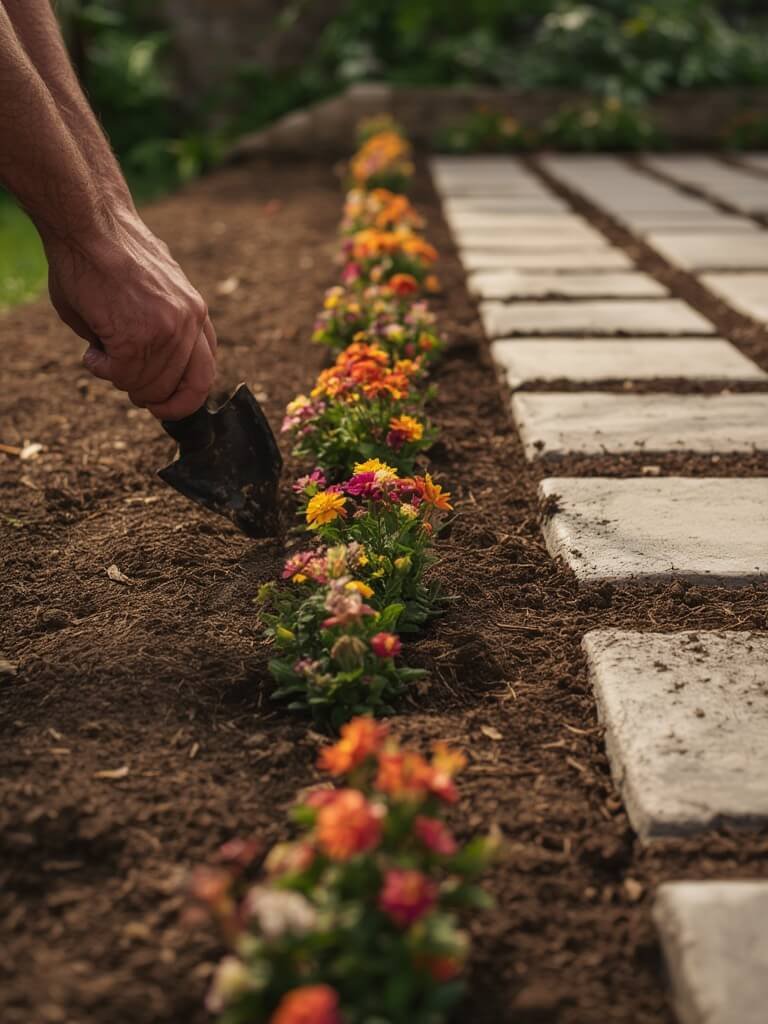
Create clear areas for dining, lounging, and gardening using edging, pavers, or even simply mowed paths. Zoning keeps the yard organized and cuts down on wasted maintenance effort. Paths of gravel or pavers also reduce muddy spots and costly lawn repair.
-
Install or Upgrade Efficient Irrigation
Invest in drip irrigation or soaker hoses for garden beds and group thirsty plants together. Routine irrigation system checks cost $100–$300 per year but prevent dead plants and wasted water later (source).
-
Finish with Simple Furniture & Decor
Pick furniture and tools designed for outdoor living—easy to clean and weather-resistant. For ideas on furniture and tools, see our modern furniture and tools guide.
Choose accents like solar lighting, decorative planters, or even wildlife-friendly water features (ponds from $500–$10,500). Avoid overstuffing the space; a few key elements go much further for both impact and manageability.

For even more budget ideas, check out our tips on home improvement ideas on a budget.
Advanced Analysis & Common Pitfalls
Low-maintenance doesn’t mean no maintenance—many homeowners underestimate the ongoing costs and labor involved, even when opting for native plants or hardscape. Here’s how real-world expenses and pitfalls break down:
| Project/Service | Low End ($) | High End ($) | Notes |
|---|---|---|---|
| Lawn mowing (per visit) | 30 | 85 | Monthly or more in growing season |
| Fertilization/application | 40 | 90 | Per application |
| Patio install (50–400 sq ft) | 750 | 8,400 | One-time install |
| Retaining wall (10–30 linear ft) | 400 | 10,800 | Material & labor drives cost |
| Small flower beds (8–100 sq ft) | 150 | 4,500 | Plant choice and soil prep matter |
| Wildlife pond | 500 | 10,500 | Maintenance often underestimated |
| Artificial turf (per sq ft) | 12.33 | — | High install, low long-term cost |
Common pitfalls include:
- Overestimating DIY Skills: Complex drainage, structural work, or large-scale planting should almost always be left to professionals. Otherwise, costs and frustration can spiral.
- Skipping Maintenance: “Low-maintenance” means reduced—not eliminated—upkeep. Routine checks of irrigation, mulching, and occasional pruning still matter.
- Wrong Plant Choices: Using flashy non-native species that need constant care leads to high replacement and water costs.
- Poor Zoning/Layout: Cramming too much in a small yard makes maintenance harder and kills usability. Simplicity pays off.
- Under-budgeting: Failing to consider both the upfront and long-term costs is a top reason projects stall or get abandoned. For a sharp breakdown of smart budgeting for home and pet expenses, see our smart shopping guide.
- Furniture Mistakes: Buying indoor furniture for the outdoors is a recipe for disappointment. See our tip sheet on choosing the right decor.
Finally, don’t forget practical upgrades to make your backyard functional, from pet-friendly rugs (learn more) to smart lighting (setup ideas here).

Conclusion
Backyard landscaping ideas can truly transform your space, but success requires planning for both upfront and ongoing effort, choosing simple native plants, and budgeting wisely for maintenance. Research your local climate, know your limits, and don’t hesitate to combine DIY with professional advice for best results. Incorporate these proven ideas and you’re more likely to enjoy a beautiful backyard all year—with less sweat and cost.
Ready to start your next project? Bookmark this guide, compare your options, and feel empowered to create the backyard you want. For more in-depth design, tool, and garden guides, visit our vegetable gardening for beginners tutorial.
FAQ
How much does backyard landscaping cost on average in 2024?
The average annual spending on landscaping and lawn maintenance is about $621.56 for urban U.S. households, but this can range from $273 to over $1,500 based on location and yard size. For major projects, costs vary from $150 for small beds to $8,400 or more for a new patio. Maintenance runs $100-$200 monthly for most yards. See national cost data.
What are the best low-maintenance plants for backyards?
Choose native plant species that suit your region, such as coneflower, switchgrass, purple sage, or creeping thyme. Native plants need less water, resist common pests, and generally thrive with minimal care. Always double-check your local recommendations for best results.
Is it worth hiring a professional landscaper or should I DIY?
DIY works for simple tasks like planting, mulching, and small garden beds. Hire a pro for drainage, hardscaping, or major installations—complex jobs often cost more if redone. Balance your skills, time, and budget to decide. Standardized costs help you estimate when to call in help. Learn more.
What ongoing maintenance is usually required for a low-maintenance backyard?
Plan for seasonal mulching, occasional lawn mowing, periodic pruning, and annual checks on irrigation systems. Even low-maintenance yards need some routine attention to look their best and prevent issues.
How can I make my landscaping more pet friendly?
Use sturdy, non-toxic plants, avoid sharp-edged materials, and consider easy-to-clean surfaces like artificial turf or washable outdoor rugs. See our pet-focused shopping tips for more ideas.