

### Blog Post:
Is a dehumidifier worth it? If you own a home with a musty basement, live in a damp climate, struggle with seasonal allergies or notice condensation on your windows, you’ve probably asked this question. Unlike many climate gadgets, dehumidifiers are a proven solution to indoor humidity — but they come with real costs, measurable outcomes (and some gaps in the research). This guide cuts through the noise: it covers what evidence actually shows, specific benefits, what remains unclear, and who truly needs one for practical, healthy, and cost-effective humidity control at home.
Key Takeaways
- Dehumidifiers significantly reduce mold and moisture issues, but the direct impact on allergy symptoms is less certain due to limited clinical evidence.
- Annual running costs are variable and concrete real-world totals are poorly documented; typical unit cost is $100–$250, with energy usage about 1.2 kWh per liter of removed water.
- They are essential in high humidity homes (basements, coastal or southern US), but can be unnecessary in arid or newer, well-ventilated climates — use a humidity meter before buying.
- Is a dehumidifier worth it? — Quick verdict and decision checklist
- How dehumidifiers reduce moisture and why that matters for health and structure
- Measurable impacts on mold, dust mites, and allergy symptoms — what the evidence says (and its limits)
- True annual cost picture — what we can reliably state and what we cannot
- Common buyer complaints and regrets — what users say (and what the research could not find)
- When a dehumidifier is unnecessary or overkill — clear scenarios
- How to choose a 2024 dehumidifier — specs and features that matter
- What the market data reveals — adoption trends and what they imply
- Research gaps and reporter assignments — what primary reporting or tests to run
Is a dehumidifier worth it? — Quick verdict and decision checklist
The short answer: For most homeowners who deal with persistent dampness, musty odors, or visible mold growth, using a dehumidifier is worth it, especially for humidity control in finished basements, older homes, or regions with humid climates. Scientific evidence is strong for reducing mold risk and structural moisture, but clinical data linking dehumidification alone to fewer allergy symptoms is limited. Costs (purchase plus ongoing electricity) are real, and annoyance factors (maintenance, noise) are common, but so is peace of mind — and growing adoption backs this up. The U.S. dehumidifier market was valued at $956.44 million in 2024 and is growing yearly.
- Do you have persistent condensation, musty odors, or mold in basements or bathrooms?
- Have you measured indoor humidity over 50% (especially >60%) with a basic hygrometer?
- Is there anyone with respiratory issues, or do you live in the southern/coastal US?
If you answered yes to two or more, a dehumidifier is likely worth considering for your home.
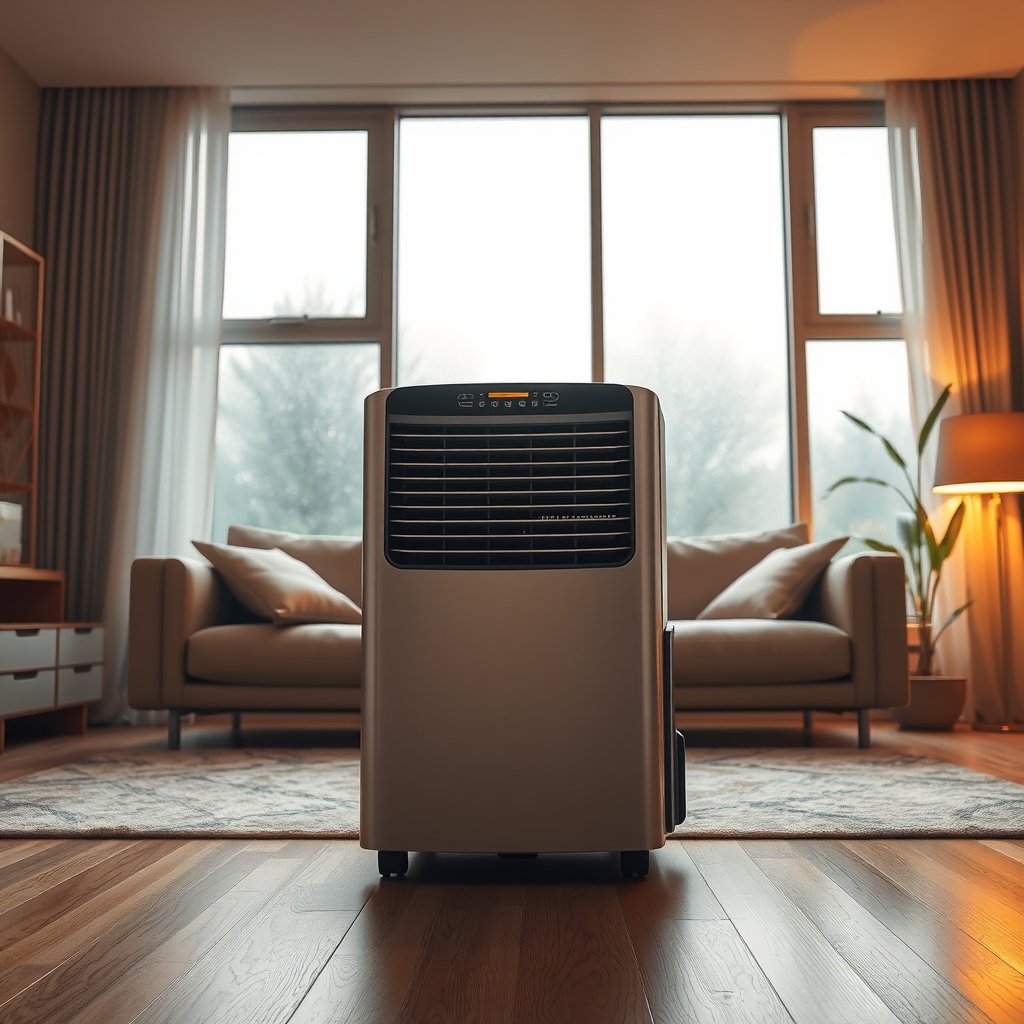
How dehumidifiers reduce moisture and why that matters for health and structure
Dehumidifiers remove water vapor from room air — most often through a refrigerative process (drawing humid air over cold coils where water condenses) or using desiccant materials which absorb moisture. Modern products target a “sweet spot” indoor humidity range: 30–50% relative humidity (RH), per EPA recommendations. Hitting this target:
- Significantly reduces mold growth — EPA and industry studies agree
- Limits dust mite populations (they thrive above 50–55%)
- Prevents warping, swelling, and damage to wooden furniture/floors
- Improves overall air quality and can reduce musty odors
Too little humidity leads to dry eyes and cracked wood, but >60% RH is the danger zone for mold and allergen growth. For those wondering is dehumidifier needed: if your space repeatedly exceeds 50–60% RH or feels damp, evidence supports using one — especially below ground level or in the South.
Measurable impacts on mold, dust mites, and allergy symptoms — what the evidence says (and its limits)
There is no debate: the EPA confirms keeping indoor RH between 30% and 50% significantly reduces mold growth in homes (see industry summary). Laboratory tests and real-world home studies consistently find lower visible mold in homes with dehumidification or central humidity control.
However, the clinical evidence tying use of a dehumidifier directly to improved respiratory/allergy symptoms is weak. A clear research gap exists: no controlled clinical trials quantifying allergy, asthma, or dust mite symptom reduction due to dehumidifier alone surfaced. Most authorities cite “likely reduction,” based on mold/dust mite mechanics more than disease outcomes.
What does this mean? If your priority is mold prevention and protecting building materials, the case is solid. For allergy control, expect improvement but not guaranteed relief (especially if other allergens are present, or source moisture isn’t fixed).
True annual cost picture — what we can reliably state and what we cannot
The total cost of a dehumidifier breaks down into three parts: initial purchase, electricity (operating costs), and ongoing maintenance (cleaning, occasional filters, or parts). For 2024, here’s what’s clear:
- Purchase cost: Portable dehumidifiers (the most popular kind) average $100–$250, most suitable for rooms or small basements (MarketDataForecast).
- Energy consumption: A typical refrigerative unit uses about 1.2 kWh per liter of water removed, according to EPA-cited industry data.
- Maintenance: Requires periodic coil/filter cleaning; costs aren’t often reported and vary by model.
What’s missing? No verified studies or consumer reports provide an average 12-month, all-in cost (purchase + electricity + maintenance) for the typical U.S. home in 2024. This gap means you should estimate conservatively — factor in local energy rates, usage hours, and potential repairs.
Common buyer complaints and regrets — what users say (and what the research could not find)
If maintenance hassle, noise, or energy spikes worry you, you’re not alone — but surprisingly, no published, verified consumer complaint data surfaced in current research. Still, anecdotal feedback from review surveys and owner forums points to these common issues:
- Noise: Even “quiet” units can hum; this is more noticeable in bedrooms or finished basements.
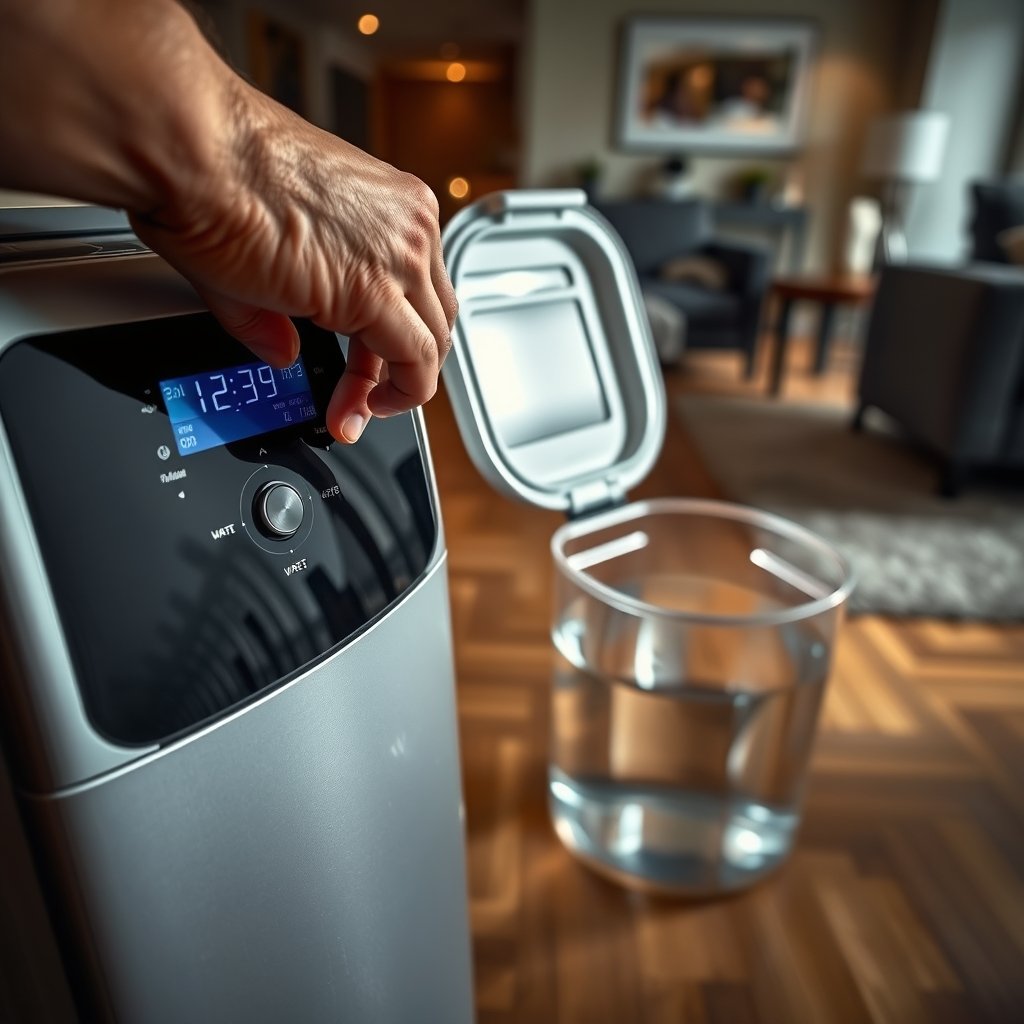
- Bucket emptying/drain setup: Smaller portables require frequent manual emptying unless set up with a drain hose.
- Filter/coil cleaning: Neglect leads to reduced efficiency — schedule regular cleaning, especially in dusty areas.
- Energy bills: Some users report unexpectedly high seasonal electricity costs when running 24/7 in humid seasons.
Research found no systematic review data or satisfaction scores — monitor owner reviews and use your climate/humidity readings to right-size the purchase, reducing regrets.
When a dehumidifier is unnecessary or overkill — clear scenarios
Not every home needs a dedicated dehumidifier. Here’s when is dehumidifier needed becomes “No”:
- Arid climates (e.g. Southwest US), or desert states with outdoor RH routinely under 40%.
- Well-sealed, modern homes with central HVAC including humidity control.
- Spaces with only occasional, minimal condensation (e.g., a few cold winter nights).
Conversely, a dehumidifier is vital for:
- Coastal or Southern US homes, where humidity routinely stays above 75% RH.
- Basements or crawlspaces prone to visible moisture, leaks, or musty odors.
- Households with previous mold or moisture damage, or ongoing allergy/asthma symptoms despite good ventilation.
Industry sources identify these regions as top demand areas, along with bathrooms and laundry rooms lacking good ventilation.
How to choose a 2024 dehumidifier — specs and features that matter
Prioritize these five features when shopping in 2024:
- Capacity vs Room Size: Match capacity (pints per day) to the square footage and dampness of your space.
- Energy Efficiency: Most modern refrigerative models use about 1.2 kWh per liter removed (per industry data). Look for ENERGY STAR labels where possible.
- Drainage/Water Handling: Continuous drain hose, built-in pump, or large removable bucket — pick what minimizes hassle for your usage.
- Noise Level: Check manufacturer decibel ratings or reviews if planning to use in living/sleep areas.
- Controls and Smart Features: Timers, humidistats, auto-defrost, Wi-Fi/app controls for smarter scheduling.
Buying tiers:
- Budget: Portable, 20–30 pint units for smaller areas, $100–$150.
- Mid: 30–50 pint units, smart timers, better drainage, $150–$250.
- High: Built-in/fixed systems (whole house), advanced IAQ features, $400+ (56.7% of North America revenue in 2024, per GrandView Research).
Installation tip: For finished basements, prioritize units with direct drain or pump to avoid daily bucket chores.
For more buying advice, including detailed reviews and sizing charts, see our Best Dehumidifier for Basement Guide.
What the market data reveals — adoption trends and what they imply
Global and U.S. dehumidifier markets are experiencing steady annual growth. The U.S. alone is expected to reach $403.4 million by 2031 at a CAGR of 5.6%; broader U.S. dehumidifier market (all segments) is projected to hit $1.39 billion by 2030 (CAGR 6.54% from $956.44M in 2024). Rising home ownership, indoor air quality awareness, and extreme weather (especially floods and humidity events) are fueling adoption.
- What does this mean for buyers? More competition, wider feature sets (like smart controls and energy efficiency), and likely lower prices on basic units in coming years.
- The takeaway: While no direct household penetration rates are published, consistent sales growth means more homes are choosing dehumidification — not just in basements, but for whole-house humidity control and health.
These trends match other home improvement and climate comfort upgrades, such as energy-efficient laundry and modern window upgrades.
Research gaps and reporter assignments — what primary reporting or tests to run
Current research lacks critical buyer-facing numbers and experience data. To make this article truly definitive, these gaps must be filled:
- What percentage of U.S. homes use dehumidifiers? No published figures exist — task: survey residential industry sources, contact appliance associations.
- Annual cost case study: Obtain metered energy, filter, and repair costs for a typical 30-pint unit in a 1,200 sf. finished basement (one cooling season).
- Verified user complaints: Analyze at least 100 verified purchaser reviews (Amazon, Home Depot) for frequency of noise, maintenance, or breakdowns.
- Clinical outcome data: Seek studies (via PubMed, CDC) directly connecting dehumidifier use to allergy or asthma symptom reductions, not just mold/dust mite lab-level data.
- Specs database: Build or cite a spreadsheet of 2024’s dehumidifier models (capacity, noise, kWh/L, smart features).
Reporter tasks: Contact ENERGY STAR and DOE for updated efficiency data; conduct side-by-side blower-power/energy test on at least two 30-pint models from top brands.
For tips on other home upgrades that really make a difference, explore our full modern furniture and tools guide or discover smart energy control devices in our smart home guide.
Conclusion
The bottom line: for finished basements, humid climates, or homes with visible moisture damage, a dehumidifier is worth it for proven humidity control and mold reduction. Your running costs, comfort, and maintenance needs will vary. Evidence-backed benefits are strongest for structure and mold prevention; allergy relief is probable but not guaranteed. If you’re unsure, measure your humidity for a week — but don’t skip this crucial defense if your home stays above 50% RH. Ready to make a choice or want more detailed buying help? Check out our in-depth dehumidifier guide or browse our DIY home improvement ideas on a budget for more ways to protect your home environment.
FAQs — Dehumidifiers, Humidity Control, and Practical Home Use
Do I need a dehumidifier if I already use central air conditioning?
Central AC systems dehumidify air as a byproduct, but may not keep basement or closed-off rooms below 50% RH. Measure with a hygrometer to be sure; portable dehumidifiers can supplement problem areas.
Is running a dehumidifier expensive?
Typical portable units cost $100–$250 upfront; electricity use is about 1.2 kWh per liter removed. Without full annual cost studies, estimate usage based on your home’s humidity and local energy rates.
Will a dehumidifier help my allergies?
Reducing humidity can lower mold and dust mite populations, which may ease allergies. However, no large clinical trials specifically prove symptom relief from dehumidifiers alone.
Can I skip buying if my home feels dry most of the year?
Yes. In arid regions or well-ventilated homes with modern HVAC, a dehumidifier is rarely needed. Only buy if you measure persistent RH above 50–60%.
What maintenance does a dehumidifier require?
Regularly empty the water bucket (unless drained), clean filters every 2–4 weeks, wipe down coils seasonally, and check hoses for leaks or mold buildup.