

home decor japanese is more than an aesthetic—it’s a proven strategy for cozy, simplified living, especially for budget-minded beginners in small or urban homes. This buying guide translates authentic Japanese interior principles into real-world steps, costs, and choices for those who crave calm but don’t know where to start or what matters beyond social media trends.
Disclosure: This post may contain affiliate links. If you buy through them, we may earn a commission at no extra cost to you.
Key Takeaways
- Japanese minimalist decor creates functional calm in small spaces—with real budget, space-planning, and material factors to weigh before you start buying.
- Expect to spend $650 to $4,000+ for a small living room using tatami, shoji, and authentic natural materials, balancing cost against comfort, warmth, and authenticity.
- This approach suits urban dwellers who value decluttering and nature-inspired design, but it’s not for anyone wanting maximal color, plushness, or zero upkeep.
- The Core Concept
- Quick Decision Guide
- Step by Step Buying Guide
- Options and Alternatives
- Advanced Analysis and Common Pitfalls
- Conclusion
- FAQ
The Core Concept
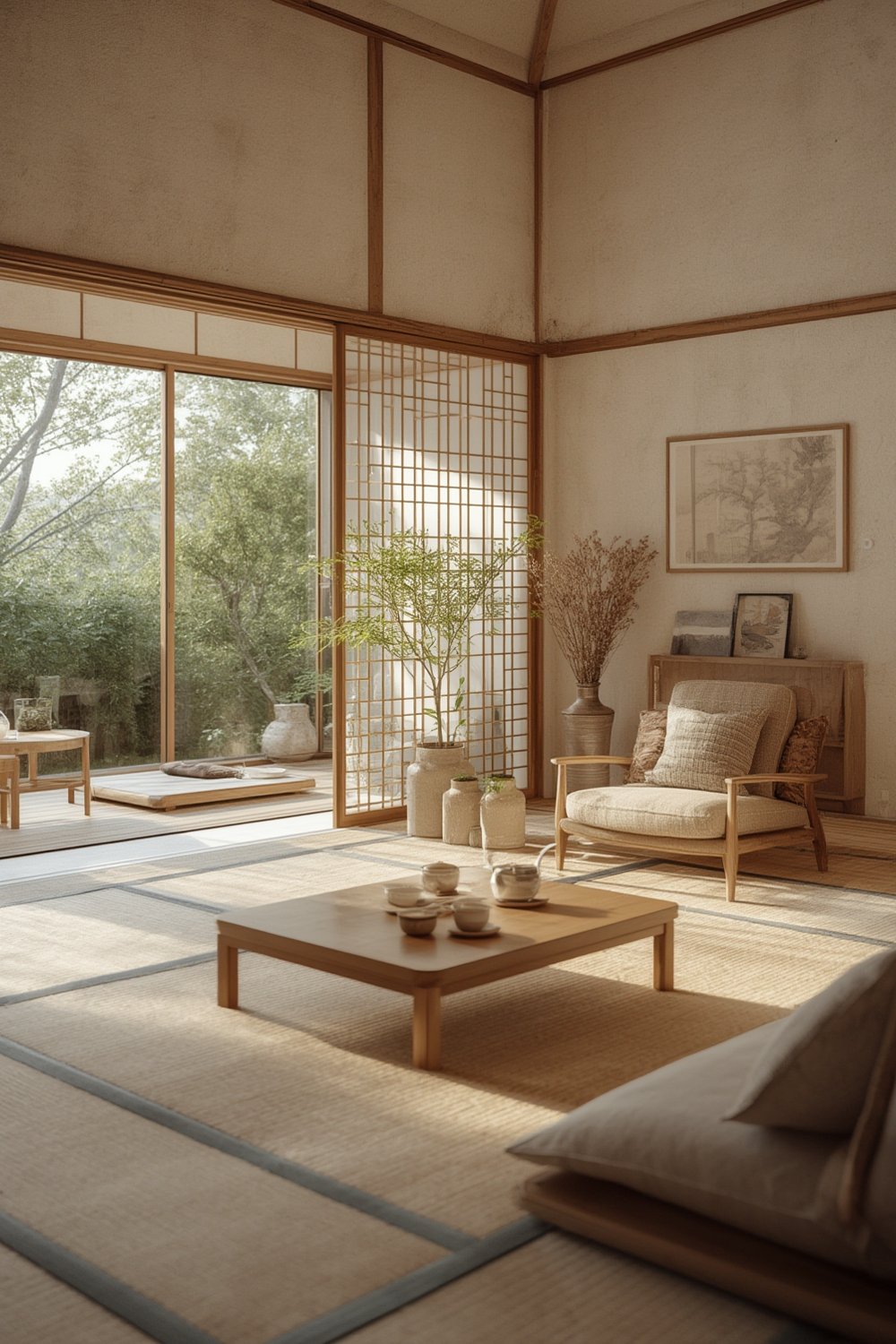
Adopting home decor japanese means creating a calm, functional, and sustainable living space using minimalist and wabi-sabi decor rooted in Japanese tradition. For beginners, this typically involves integrating natural materials like tatami mats and bamboo, using neutral colors, and focusing on multi-use furniture to make the most of small rooms. Unlike Pinterest’s dreamy images, true Japanese home styling is as much about what you remove as what you add: layouts highlight empty space (ma), materials feel organic, and each item serves a clear purpose.
What most beginners get wrong
- Assuming every Japanese-inspired product at big box stores is authentic—many are low-quality imports lacking sustainability or craftsmanship.
- Overdecorating or filling spaces, missing the essential principle of ma (purposeful emptiness as structure).
- Ignoring practicality: delicate materials like shoji paper get damaged fast in busy homes if not planned for.
Looking for ways to blend modern furniture with minimalist styles? See our guide to choosing and maintaining modern furniture.
Quick Decision Guide
Who this is best for
- Urban dwellers with limited square footage
- Anyone seeking visual calm and less clutter
- Renters/Homeowners age 28 to 45 looking for quick, low-maintenance upgrades
- People prioritizing sustainability and natural materials
- Those with pets or allergies who want easy-to-clean spaces
Who should skip it
- If you love loud colors, maximal layering, or plush comfort
- Homes with frequent spills (e.g. toddlers) due to delicate tatami/shoji
- Anyone wanting a zero-maintenance setup
- Those needing lots of built-in storage or tech integration
- Anyone on a shoestring budget—some authentic materials cost more up front
What to check before you buy
- Room size: Tatami mats and modular furniture must fit exact measurements; typical tatami: 35.5 x 70.9 in (90 x 180 cm)
- Material source: Confirm supplier provides real bamboo, rice straw, or sustainably sourced wood (FSC or PEFC certified)
- Maintenance needs: Some natural materials require humidity control or annual oiling
- Floor load: Tatami and bamboo are lighter than carpet but can’t withstand high heel impact
- Color schemes: Stick to neutral palettes—tan, beige, natural wood, off-white
- Ease of move/installation (can you install shoji screens without damaging walls?)
- Budget: Full room makeovers range from $650 (basic) to $4,000+ (artisan hand-made)
For more on picking a decor style that fits your personality and lifestyle, see our article on finding your decor voice. If you’re planning to move soon or want furniture that’s easy to relocate, read about furniture moving advice.
Step by Step Buying Guide
Ready to bring Japanese minimalist style into your home? Here’s a practical, budget-conscious plan for beginners.
- Audit and declutter: Remove all but essential items. Use storage bins to hide or donate excess—start with surfaces.
- Pick two natural materials: Choose a main flooring (tatami or bamboo) and an accent (wood, washi paper). This keeps costs down and rooms unified.
- Choose multifunctional furniture: Go for folding tables, convertible sofas, or floor chairs. Typical options weigh less than 25 lbs and suit apartments.
- Decide on budget vs. comfort tradeoffs: Will you opt for cheaper machine-made tatami or pay more for handwoven? DIY bamboo panels or commission a craftsman?
- Plan for rentals vs. owned homes: Use temporary partitions or roll-up panels in rentals to avoid wall damage. Owners can install built-in shoji screens or platform beds.
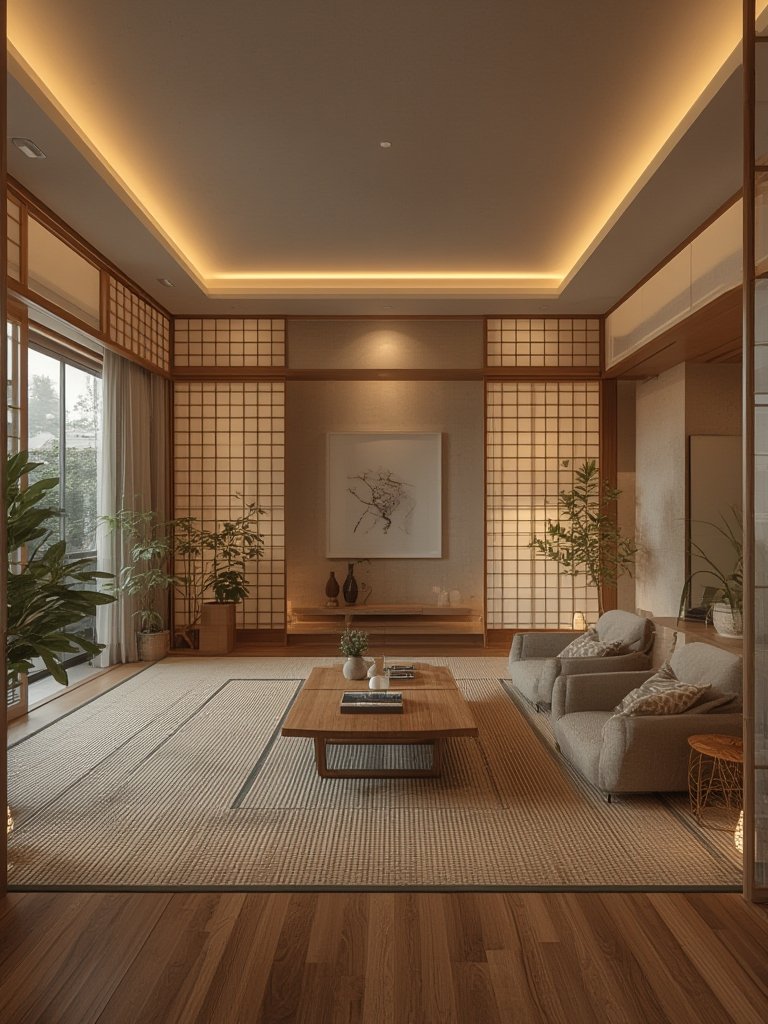
- Apply ma (negative space): Arrange seating and tables so there’s clear, open space between them (at least 28 inches recommended)—don’t fill every corner.
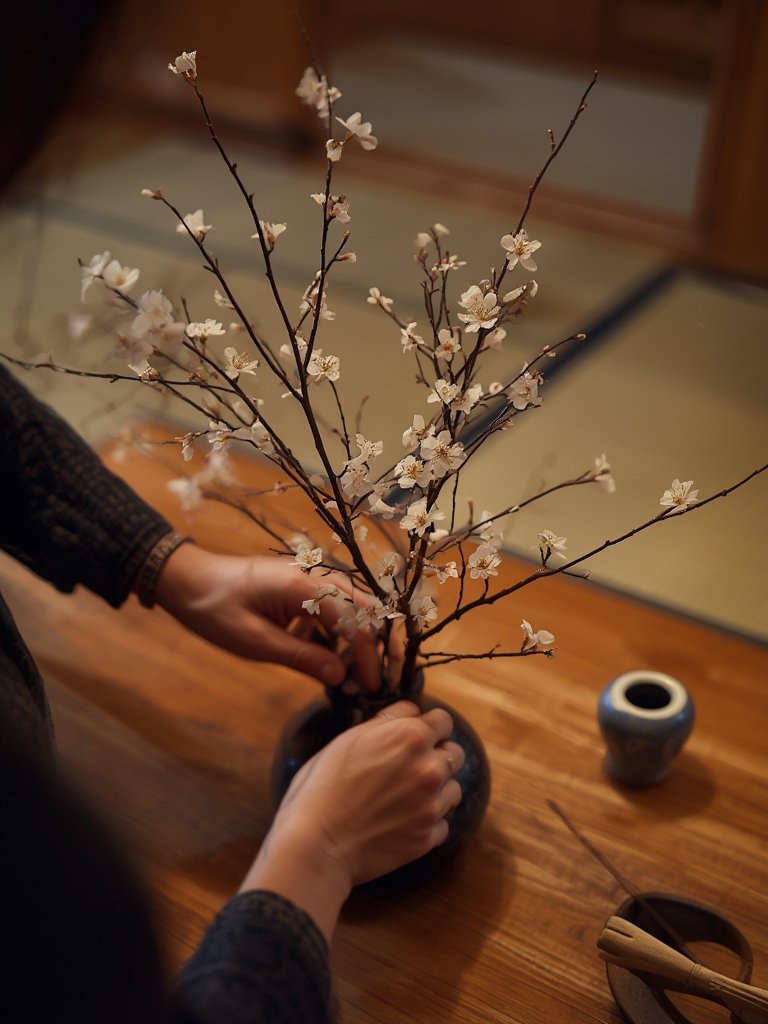
- Add wabi-sabi accents and soft lighting: Include a single uneven pottery vase or imperfect handmade bowl. Use low, warm lamp lighting and a small green plant.
For maintenance tips and how to clean sustainable materials, see our furniture cleaning and care guide. If you want even more ideas on wall panels or quick wall upgrades, our modern wall panel guide could offer inspiration.
Options and Alternatives
Quick Picks
Best overall option for most beginners.
Best value if price matters.
Best choice if you want maximum comfort.
| Feature | Basic Budget Makeover | Mid-Tier (Most Popular) | Premium Full-Authentic |
|---|---|---|---|
| Tatami (for 10×13 ft room) | $270 (machine-made) | $795 (hand-finished, import) | $1,500+ (artisan custom, local) |
| Shoji Screen/Partition | Shoji Screen/Partition | $380 (imported, folding) | $680 (handcrafted hardwood) |
| Bamboo Accents | Bamboo Accents | $250 (solid stalks, wall art) | $750 (custom installations) |
| Multifunctional Furniture | $110 (flat-pack, folding) | $410 (convertible sofas, chairs) | $1,100 (handmade, solid wood) |
| Total Estimate | $650–800 | $1,800–2,000 | $4,000+ |
For budget decorators: A single roll-up tatami mat plus a thrifted table gets you most of the benefit for under $400.
For premium: Commission a local artisan (see supplier tips below) for full-wall shoji and true washi paper finishes.
Interested in where the Japanese home decor market is headed? Read the latest research at Spherical Insights.
Advanced Analysis and Common Pitfalls
While the appeal of minimalist Japanese interiors is strong, most beginners encounter a few specific problems:
- Shortcuts with fake materials: Cheap “tatami-look” foam lacks the thermal/warmth and smell of true grass straw.
- Clutter creep: If you don’t declutter first, no amount of natural accents will deliver a calm effect.
- Fragile paper: Shoji screens made of synthetic paper or thin wood dent and tear quickly around kids or pets.
- Poor humidity control: Real tatami can mold or warp if not aired out and protected from excess moisture.
- Misunderstanding negative space (ma): Leaving a room looking bare rather than structured and intentional.
- Overpaying for imports: Many “Japanese” decorative items online are mass-produced elsewhere—vet sellers for origin and eco-credentials.
- Ongoing maintenance: Natural materials need dusting, oiling, and sometimes seasonal rotation to last.
Japanese minimalist decor checklist:
- Confirm authenticity of tatami, bamboo, and shoji
- Audit room for water leaks or high humidity (target: 40–60 percent)
- Trial deep decluttering before spending
- Buy furniture with hybrid or modular use (e.g., a table that converts to a seat)
- Read supplier reviews for quality assurance
- Calculate installation or setup time (DIY: 2 hours, artisan: 1–2 days)
For more support on budget upgrades that last, check our DIY home improvement budgeting tips.
External research highlights: A recent IMARC market analysis stresses functionality and natural materials grow in demand, but admits Western markets lack detailed guides.
Want more inspiration for seasonal wall decor upgrades? See our analysis on seasonal decor styles.
Conclusion
If you’re a beginner who wants to bring authentic calm into a compact, urban home without design disasters, Japanese minimalist decor is a practical solution. The key is knowing what’s possible on your real-life budget, using only what fits your lifestyle—and honoring the cultural principles of wabi-sabi and ma for lasting impact.
Verdict
Buy it if… you want a sustainable, minimalist home that’s easy to clean, visually calm, and flexible for small or rental spaces.
Skip it if… you need plush comfort, crave bright color, or want zero-maintenance surfaces.
Applying home decor japanese is a decision that pays off in long-term comfort and tranquility, provided you balance costs, pick genuine materials, and avoid common Western shortcuts. For more ideas on cozy, relaxing spaces, check out our cozy bedroom design guide.
FAQ
Is Japanese home decor expensive compared to other minimalist styles?
It can be, especially when using artisan tatami or authentic shoji, but thrifted, reclaimed, and DIY versions bring costs close to Scandinavian or modern minimalist options.
How do I source authentic tatami, bamboo, and shoji materials?
Look for specialty retailers, local Japanese community stores, or certified online suppliers. Always ask about country of origin and request care instructions.
Are Japanese interiors practical for homes with kids or pets?
They can be, if you choose durable floor mats and use shoji only as decor or out of high-traffic areas. Clean lines and fewer clutter zones help with day-to-day tidiness.
How much maintenance do natural Japanese materials need?
Tatami and bamboo require regular dusting, occasional ventilation, and annual oiling. Shoji paper is more delicate and needs occasional replacements if damaged.
Do Japanese minimalist interiors really help with relaxation or mental well-being?
Many people report less stress and easier cleaning in clutter-free, nature-inspired rooms. While clinical studies are scarce, a recent review in ‘Frontiers in Psychology’ (2023) links minimalist interiors to lower visual fatigue and calmer moods.