

Home decor Victorian has surged in popularity, offering a moody yet inviting alternative for anyone wanting their home to feel both storied and warm. This practical buying guide is for beginner homeowners and cozy comfort lovers who want to capture Victorian charm without overspending or accidentally creating a high-maintenance “museum room.”
Disclosure: This post may contain affiliate links. If you buy through them, we may earn a commission at no extra cost to you.
Key Takeaways
- Victorian home decor offers moody style and budget flexibility, but sourcing the right pieces takes research and patience.
- Costs can vary dramatically: reproductions are budget-friendly, while authentic antiques often mean a higher investment and more upkeep.
- Choose Victorian decor if you love layered color, texture, and history—skip it if you want zero-maintenance, super-bright, or purely modern spaces.
- The Core Concept
- Quick Decision Guide
- Step by Step Buying Guide
- Options and Alternatives
- Advanced Analysis and Common Pitfalls
- Conclusion
- FAQ
The Core Concept
Home decor Victorian style refers to infusing your living space with design cues from the late 1800s, including ornate wood furniture, gothic colors, vintage-inspired floral textiles, and tactile trims. Today’s “moody Victorian” trend—spiking in searches and designer looks—is about balancing old-world layers with modern comfort. Beginners are drawn to this cozy aesthetic for its warmth and nostalgia, but often underestimate the costs, complexity, and maintenance of mixing Victorian elements into modern homes.
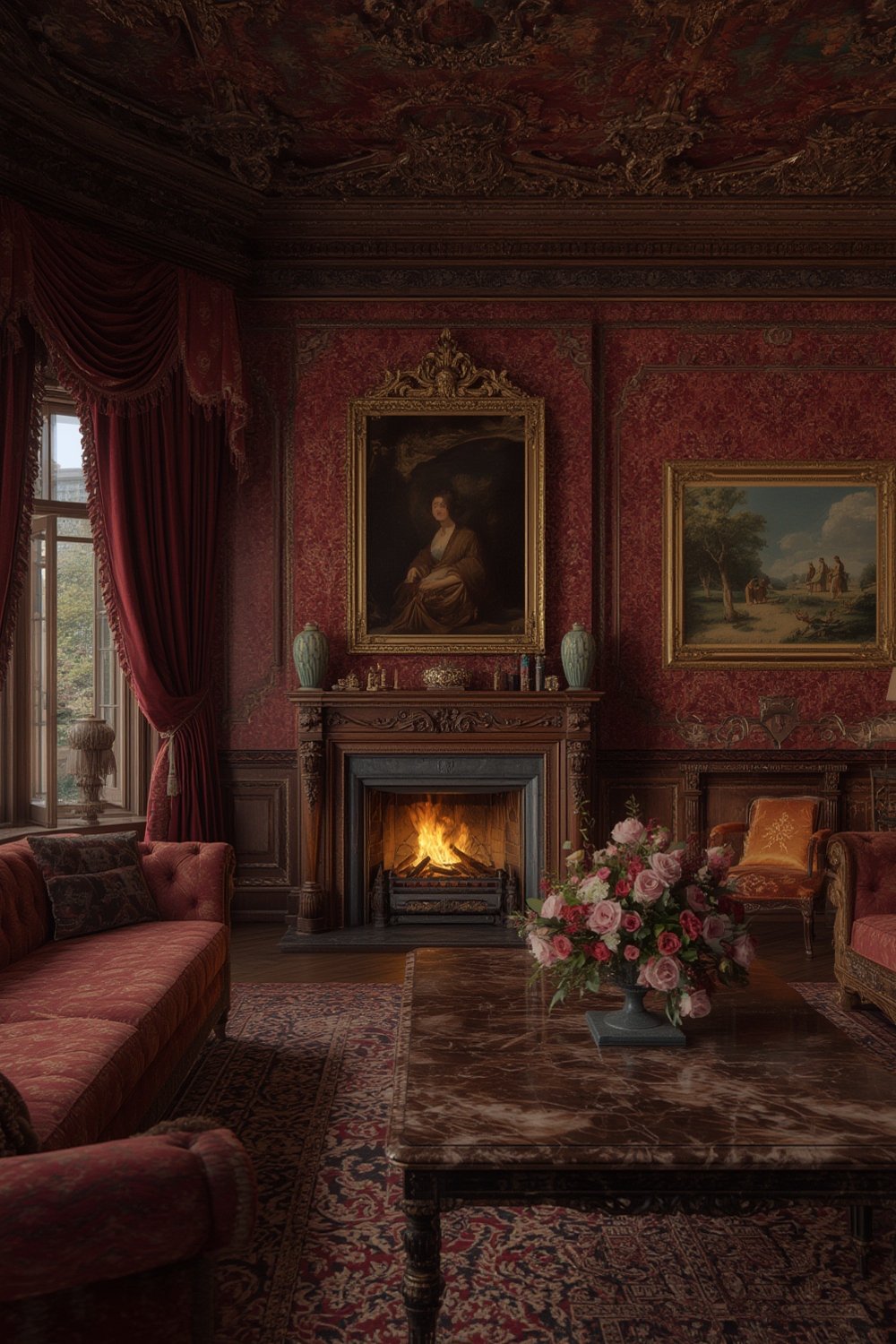
What most beginners get wrong
- Trying to buy only originals, not realizing the upkeep and cost involved versus quality reproductions.
- Going too “theme park”—adding too many heavy or ornate elements and ending up with rooms that feel staged, not lived-in.
- Ignoring scale and lighting: Victorian pieces are often big and dark, which can overwhelm smaller, brighter modern rooms.
Not sure how Victorian compares to other furniture choices? Check out this modern furniture and tools guide for practical differences.
Quick Decision Guide
Who this is best for
- Homeowners with a historic or character-rich house (built pre-1970s)
- Anyone who loves layered, cozy decor with a sense of history
- Budget-conscious buyers open to mixing reproductions and thrift finds
- People ready to tackle furniture upkeep and occasional repairs
- Fans of moody, deep color palettes and vintage fabrics
Who should skip it
- Minimalists or anyone easily overwhelmed by visual pattern/clutter
- People looking for ultra-low maintenance rooms or furniture
- Renters who can’t change walls, trims, or add heavy fixtures
- Those who want light, airy, “beach house” vibes instead
- Buyers unwilling to invest time in research and local sourcing
What to check before you buy
- Furniture dimensions: Victorian pieces tend to be larger—measure doorways and floor space first.
- Material type: Oak, mahogany, rosewood, and walnut are most authentic, but require more care.
- Finish and upholstery: Look for durable, easy-to-clean fabrics and wood sealed against moisture.
- Color palette: Can your walls, rugs, and lighting balance dark “moody” tones, or will it feel cramped?
- Weight: Antiques are often heavy; make sure your floors and movers can handle them.
- Assembly needs: Some reproduction pieces ship flat-packed, unlike solid antiques.
- Water and stain resistance: Upholstery, tile, and wood details may need periodic resealing/cleaning.
Want to balance trends with your personal style? Find practical advice in this decor voice guide and compare smart home upgrades that mesh with vintage interiors.
Step by Step Buying Guide
- Identify the core rooms for Victorian impact: Start small—a parlor, reading nook, or bedroom. Avoid overhauling the whole house at once.
- Set your budget bracket: Pick a realistic range for each category (furniture $150–$2000+, lighting $40–$500, textiles $20–$200). Balance authenticity with comfort by mixing originals with well-made reproductions.
- Sourcing plan: Browse local antique shops, thrift stores, online marketplaces (eBay, 1stDibs, Chairish), and auction houses for price baselines. Compare with new retailers for reproductions.
- Check size and scale: Victorian pieces need space; measure floor and wall area, and check lighting (many antiques need more ambient or task lighting in modern layouts).
- Budget vs comfort tradeoffs: Hand-carved pieces look stunning, but reproduction options are lighter, more affordable, and often easier to maintain.
- Car camping vs tent camping needs (room adaptability): For multi-use spaces, opt for smaller accent chairs, side tables, and decor that can be moved around. Reserve heavy, ornate furniture for dedicated areas.
- Plan for maintenance: Factor in recurring cleaning (dusting, upholstery care, wood polish) and small repair costs each season.
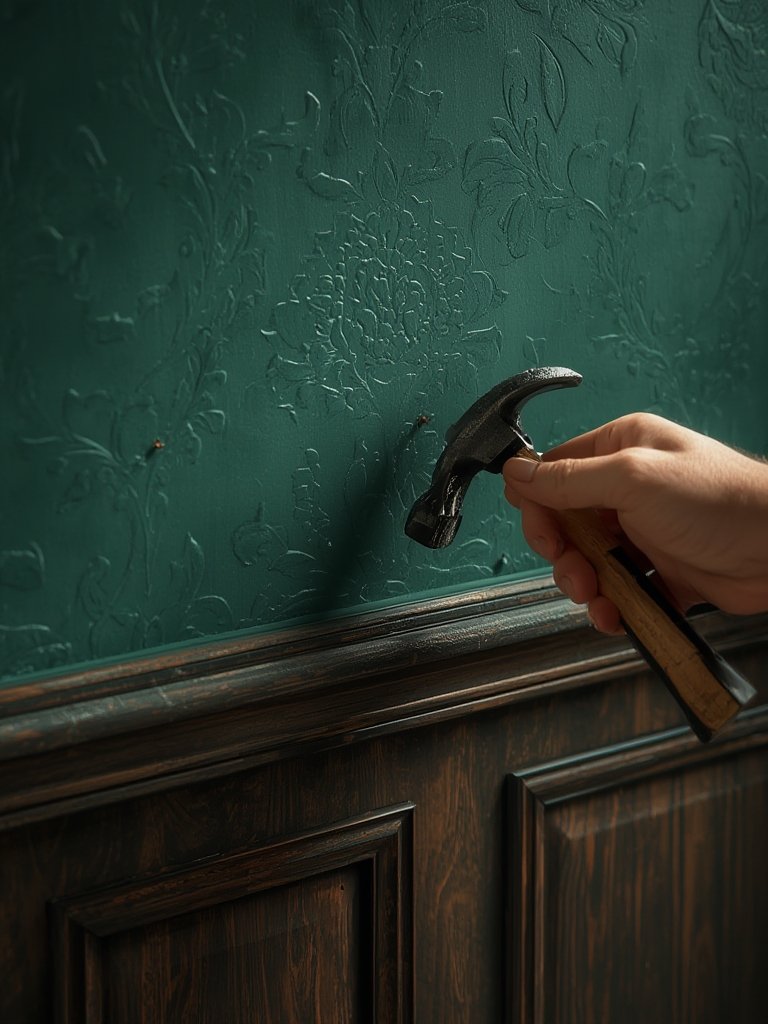
Don’t overlook the value of big-box decor shops for trendy accessories or using Wayfair and Ashley Furniture for affordable Victorian-inspired lighting, hardware, or soft goods. They’re a shortcut to keep your budget under control.
If you’re furnishing a bedroom Victorian style, the cozy bedroom buying guide shows how to mix moody palettes with practical comfort and cleaning tips.
Options and Alternatives
Quick Picks
Best overall option for most beginners.
Best value if price matters.
Best choice if you want maximum comfort.
| Option | Typical Price Range | Pros | Cons | Maintenance Level |
|---|---|---|---|---|
| Authentic Antique | $500–$4,000+ | Unique, high resale, deeply authentic | Expensive, heavy, harder to clean | High |
| Quality Reproduction | $150–$1,200 | Affordable, more durable, lighter | May lack age and patina | Medium |
| Upcycled/DIY Victorian | $50–$500 | Very budget friendly, customizable | Can look “off” if overdone, DIY skill required | Medium-Low |
If you’re watching every dollar, look for solid wood thrift finds and add DIY wall panels or trim for instant Victorian effect. For a premium experience, invest in a single statement authentic piece (like an inlaid sideboard or marble-topped table) from a reputable dealer—yes, it’s pricier, but hard to fake the real craftsmanship and patina (learn what to check with experts here).
Advanced Analysis and Common Pitfalls
- Scale shock: Victorian furniture is often oversized—measure before buying. A sofa that fit a 19th-century parlor may dwarf your living room.
- Maintenance underestimation: Ornate carving collects dust; carved details mean more time cleaning. Antique textiles and darker walls can fade or stain easily if you don’t plan lighting and care.
- Too much darkness: Deep “gothic” palettes make small rooms feel closed in unless you balance with lighter trims/fabrics.
- Mismatched patina: Oddly bright, new reproduction items can look out of place against true antiques—mix carefully.
- Hidden repair needs: Many antiques need refinishing, new upholstery, or reinforcement. Factor these into cost and delivery time.
Checklist to avoid the top mistakes
- Measure every space and passage before you buy.
- Request detailed seller photos (joins, undersides, tags).
- Search for replacement hardware—Victorian drawer pulls and escutcheons are often missing.
- Sample your paint and upholstery choices under room lighting.
- Budget for both purchase and first-year upkeep/reupholstery as needed.
Before you commit, double-check maintenance with a trusted pro—advice from antique restorer interviews (or local reviews) count more than retailer hype or marketing claims (trend background).
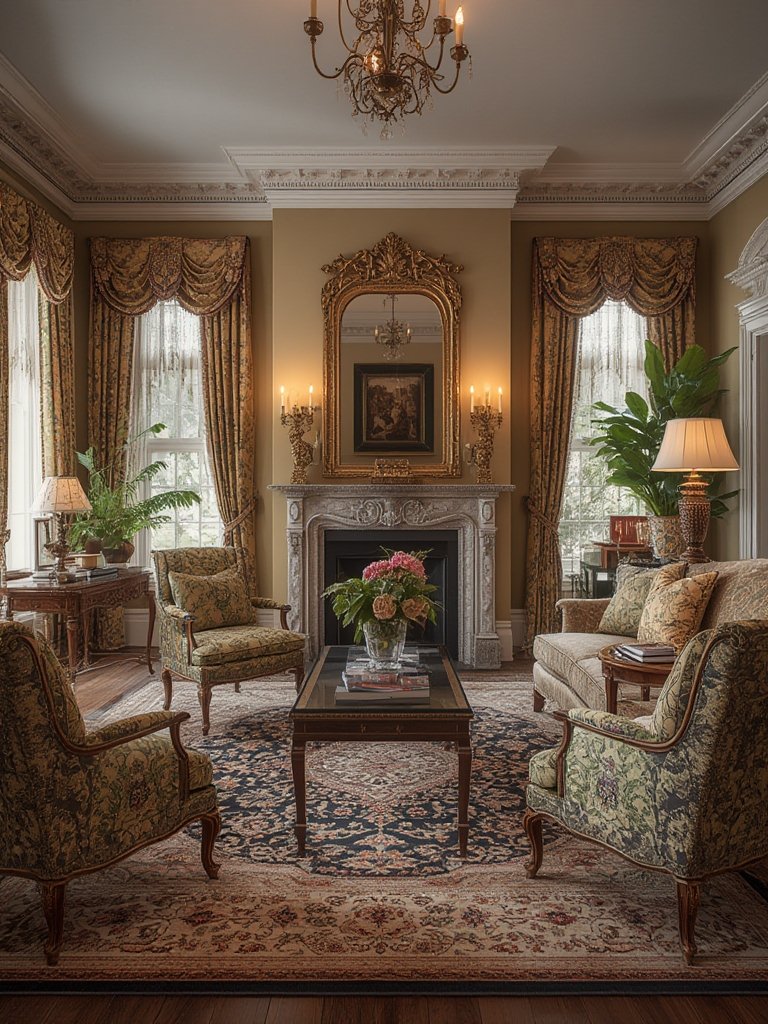
If you’re reupholstering a Victorian chair or sofa, get exact fabric and labor pricing details from this upholstery cost guide before you invest.
Conclusion
Victorian home decor delivers a moody, inviting vibe and is achievable for beginners if you make careful choices about what to buy, where to source, and what level of upkeep you can handle. Mixing original, reproduction, and upcycled elements keeps budgets in check—while maintenance, lighting, and scale require thoughtful planning.
Verdict
Buy it if… You value cozy, historic ambiance and are willing to mix vintage with newer pieces—and to tackle a bit more cleaning and care than average.
Skip it if… You’re after ultra-bright, open, modern spaces—or want zero fuss or maintenance. Victorian style rarely goes with minimal or super-low maintenance lifestyles.
No trend fits everyone. But if your heart is set on home decor victorian, start small, plan your budget, and focus on truly loving each piece you bring home.
For curated guides, see how pros shop at Ashley Furniture and Wayfair or browse our budget thrift store furniture guide next.
FAQ
How much does it cost to decorate a room in authentic Victorian style?
Costs can run from under $500 (mainly secondhand finds and DIY trims) to $2,000+ if buying true antique pieces or custom reupholstery. Quality reproductions and thrift store hacks can drastically lower the price.
Is Victorian home decor hard to maintain?
Maintenance is higher than average—ornate wood and fabrics need regular dusting, and dark palettes show dust and fading more easily. Plan for seasonal cleaning and occasional repairs.
Can I mix Victorian with modern or farmhouse elements?
Yes. Most designers recommend mixing Victorian accent pieces or moody palette touches with more streamlined modern basics. Too many ornate items can overwhelm a space.
Are reproductions a good alternative to real antiques?
Well-made reproductions offer similar looks, lighter weight, and easier care for less, though they lack original patina and story. Use a mix to balance budget, style, and practicality.
Where should I source Victorian furniture and decor?
Start at local antique shops, estate sales, and specialty auctions for originals. For affordable options, check online marketplaces and big retailers like Ashley Furniture, Wayfair, and even Hobby Lobby for Victorian-style hardware and finishes.