


Furniture in thrift stores is a practical, sustainable solution for style-conscious renters and homeowners looking to furnish on a budget—but it comes with unique challenges and considerations. This realistic buying guide is built for bargain hunters, eco-minded shoppers, and first-time DIYers who want a stylish home without unwanted surprises.
Disclosure: This post may contain affiliate links. If you buy through them, we may earn a commission at no extra cost to you.
Key Takeaways
- Inspect, clean, and verify all secondhand furniture to ensure safety, quality, and value—especially since public buyer data is limited.
- Significant savings versus retail are possible, but research and careful cleaning are essential to avoid hidden costs like repairs or health concerns.
- This guide is best for budget-focused, moderately handy renters and buyers seeking unique decor; those uncomfortable with DIY or cleaning may want to look elsewhere.
- The Core Concept
- Quick Decision Guide
- Step by Step Buying Guide
- Options and Alternatives
- Advanced Analysis and Common Pitfalls
- Conclusion
- FAQ
The Core Concept
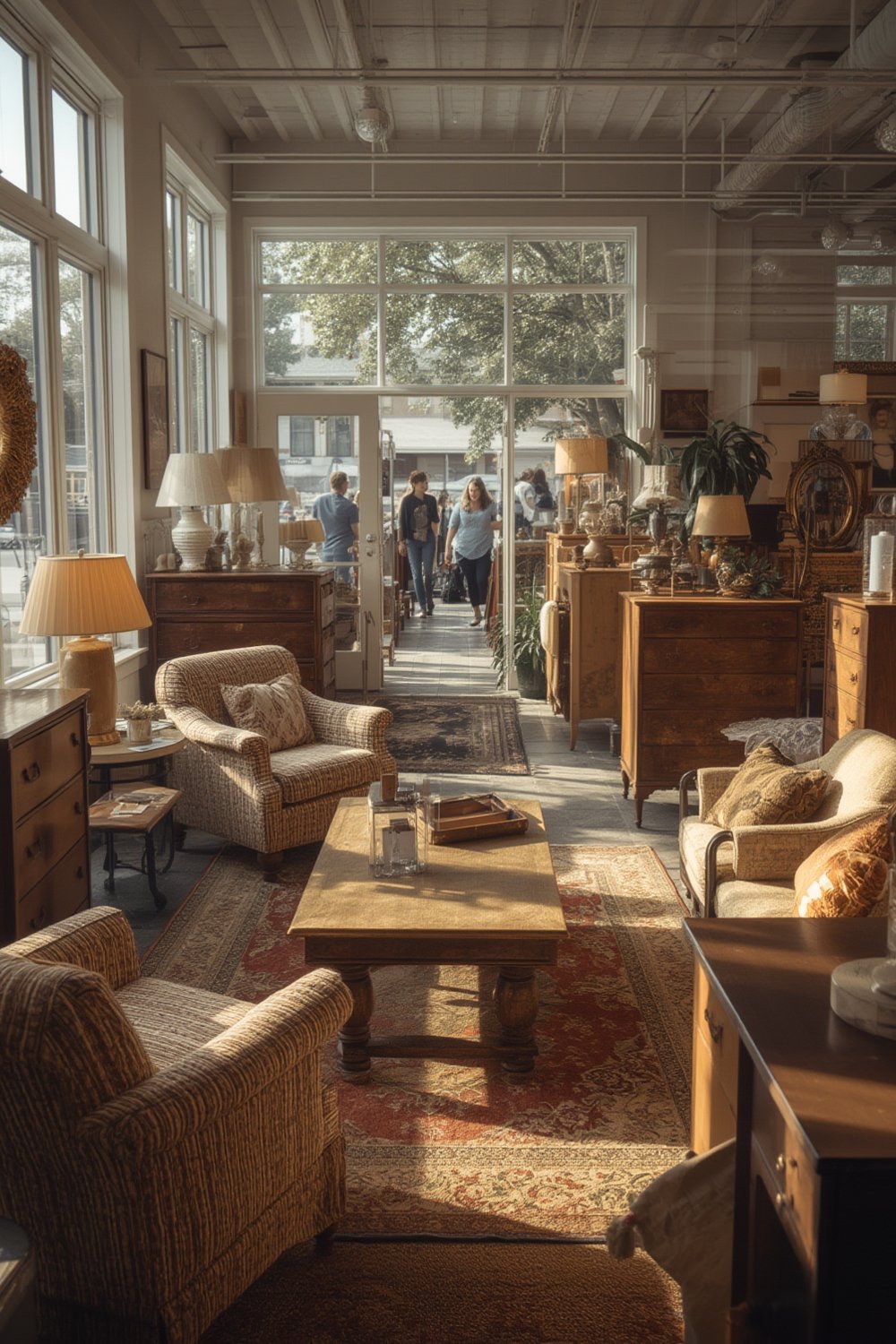
Furniture in thrift stores refers to sofas, chairs, tables, and other home essentials sold in donation-based or secondhand shops at a fraction of new retail prices. Homeowners and renters often consider it for affordability, eco-friendliness, and the thrill of finding unique or vintage pieces. Still, there’s a lot to get right: cleanliness, safety, repairability, and true savings demand a careful approach.
What most homeowners get wrong
- Assume bargains are always “good deals” without calculating total repair or cleaning costs first.
- Overlook critical safety and health checks—like pest inspections or searching for recalled items.
- Believe online listings or quick looks are enough—detailed, in-person inspection and cleaning are a must.
For renters navigating small spaces, pairing this guide with our small kitchen remodel buying guide can help create budget-friendly, personalized homes.
Quick Decision Guide
Who this is best for
- Budget shoppers committed to DIY cleaning and minor fixes.
- Eco-conscious buyers who value circular design and reuse.
- Urban renters seeking unique, vintage, or high-quality solid wood pieces.
- First-time homeowners willing to verify condition and provenance.
- Anyone with a basic set of hand tools and patience for research.
Who should skip it
- Buyers uncomfortable with furniture cleaning or light repairs.
- Anyone who wants zero risk of pests or previous chemical treatments.
- People needing immediate, ready-to-use pieces with warranties.
- Highly allergenic individuals sensitive to pet dander or dust.
- Anyone unwilling to transport or move bulky purchases.
What to check before you buy
- Full inspection for pests, major damage, and foreign odors.
- Structural integrity: no excessive wobble, cracks, or missing hardware.
- Serial/model numbers for recall checks, especially for cribs and mattresses.
- Return/refund policy and seller transparency.
- Ease of cleaning and compatibility with your available tools/scripts.
- Price versus condition and whether a new equivalent may cost little extra.
- Transport logistics—can you move it safely?
Want to understand how to balance budget decor with lasting style? See our decor trend and personalization guide. For repairs or refinishing, explore nearby reupholstery options before committing to fabric-heavy pieces.
Step by Step Buying Guide
- Research locally: Make a shortlist of nearby thrift and used furniture stores with strong reviews. Search “second hand furniture near me” and check community posts for recent deals.
- Inspect in person: Use this checklist:
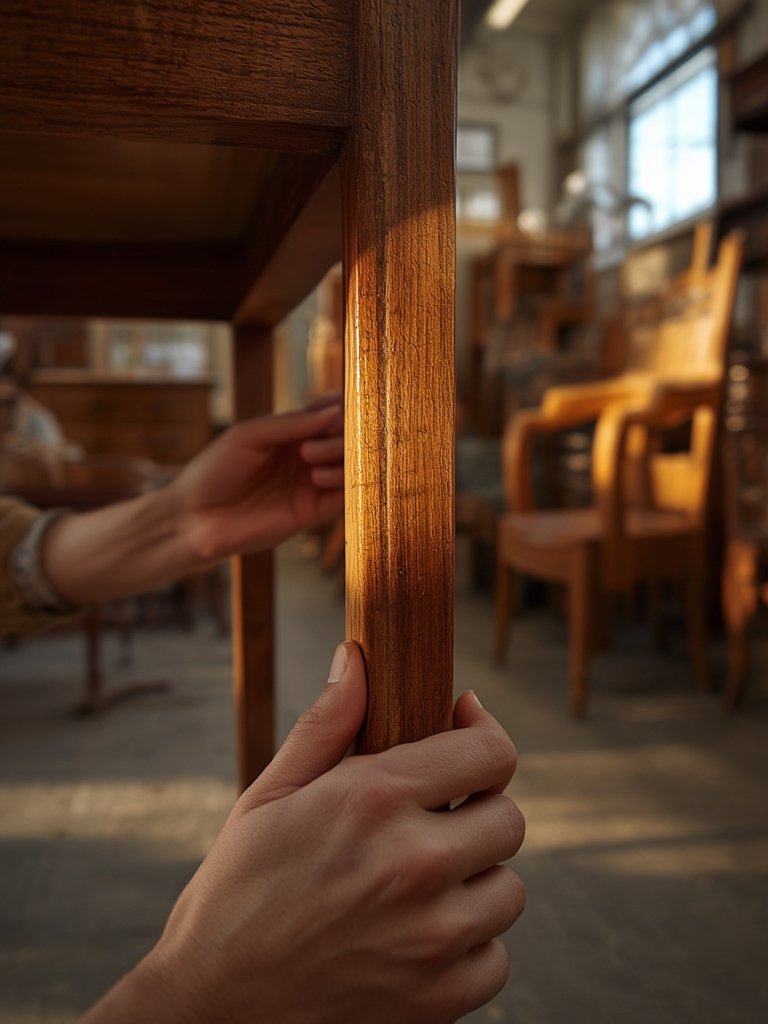
- Structural check: Push and sit to check frame, legs, and arms for wobble or strain.
- Odor test: Smell for smoke, mold, strong perfumes or pet odors.
- Fabric and seams: Look for worn, torn, or discolored upholstery. Pinch cushions for resilience.
- Check under cushions and in crevices for pests or droppings.
- Look for manufacturer tags, serial numbers, or labels—photograph these to verify against recall databases.
- Confirm return or exchange policy, even for “as-is” pieces.
- If possible, message online sellers for more photos, close-ups, and repair histories.
- Negotiate and plan pickup: Some stores reduce prices near closing time or on specific days; always ask.
- Cleaning and sanitizing: Follow protocols outlined below and plan at least a full day per item.
- Post-purchase: Document your inspections with photos in case you need to return or report an issue.
If your project will likely involve repairs, see our advice on hand and power tools in the cordless drill guide. Those needing an even gentler cleaning solution can cross reference with our guide to easy clean home textiles for additional strategies. For large hauls, check our furniture moving advice.
Options and Alternatives
Quick Picks
Best overall option for most homeowners.
Best value if price matters.
Best choice if you want premium features.
| Option | Average Cost | Pros | Cons |
|---|---|---|---|
| Thrift Store Finds | $30–$180 (dresser) | Lowest prices; unique finds; eco-friendly | Time and effort for cleaning; no warranty; pickup required |
| Online Marketplaces | $50–$300 | Wider selection; home delivery (sometimes); easy browsing | Scams; no returns; variable quality |
| Big-Box New | $180–$450 | Consistent quality; warranty; delivery | Higher cost; less character; less sustainable |
| Lease-to-Own Retail | $10–$30/month | Low upfront cost; easy upgrades | Contract fees; ownership limitations; less selection |
If your budget is non-negotiable, local thrift stores and Facebook Marketplace offer the lowest entry costs. For maximum convenience and new-in-box confidence, a big-box store or lease-to-own service is worth exploring—see details in our lease-to-own furniture guide.
Remember: Always clean thoroughly. For expert-approved cleaning steps, check the methods at citythrift.org.
Advanced Analysis and Common Pitfalls
- Hidden pests: bed bugs, fleas, and roaches can hide in crevices. Inspect joints and seams closely (bring a flashlight). When in doubt, skip items with deep cushioning.
- Unseen structural damage: Press and lift at different points to reveal loose joints or hairline cracks. Minor cosmetic flaws are expected; major instability is not worth the risk.
- Lingering odors and allergens: Smoke and pet scents can be nearly impossible to fully remove. Sensitive buyers should only consider wood, metal, or sealed-surface items.
- Previous chemical treatments: Flame retardants and sprays can pose health risks, especially in vintage upholstered pieces. Prioritize newer items with labels or consider professional cleaning before use.
- Recalls and legal risks: Older cribs, beds, and recliners may be unsafe or illegal for resale. Always check model and serial numbers at CPSC.gov.
Short Pre-Purchase Checklist
- Inspect for pests (lift, shake, use light).
- Test all joins and seams for movement.
- Ask about item history and previous owners if possible.
- Photograph all labels, tags, and hardware.
- Walk away from untagged high-risk items (cribs, mattresses, car seats).
Chemical exposures and allergen concerns are covered in further detail in the Wit & Delight deep cleaning guide and are aligned with CDC bed bug prevention practices.
For more on smart, low-risk DIY, see our hands-on home improvement ideas.
Conclusion
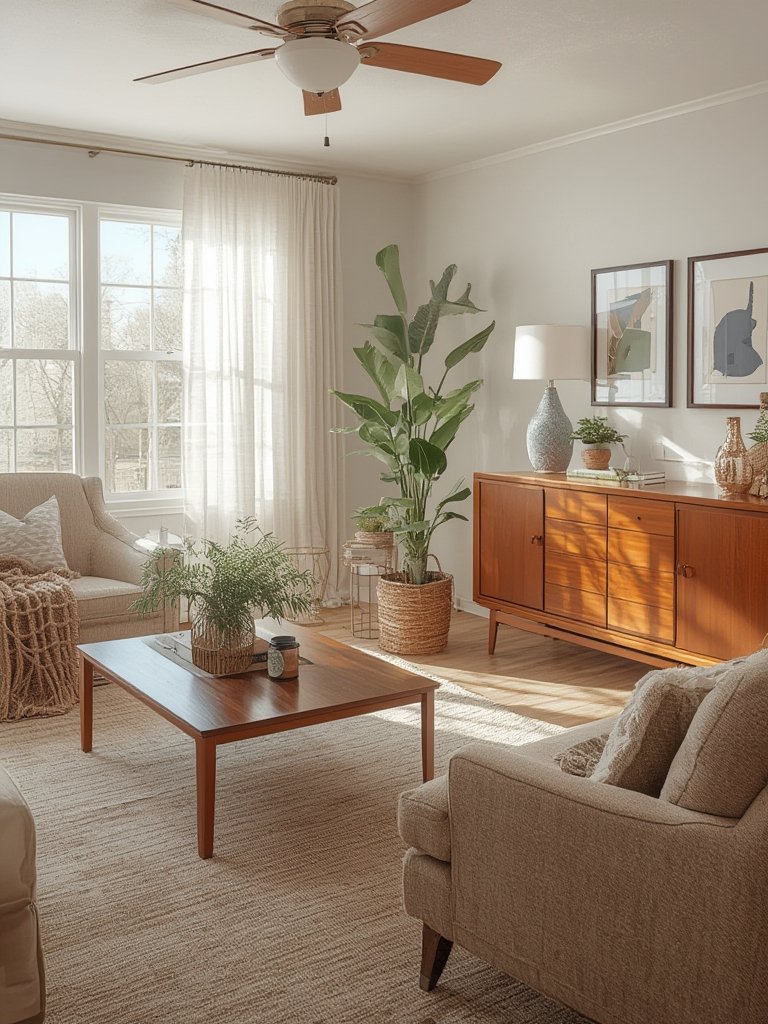
With the right steps, buying used furniture at thrift stores can unlock real savings and unique style for budget-conscious buyers—provided you invest the time in cleaning, safety checks, and value comparison. Most pitfalls are avoidable with smart preparation and the proven multi-step cleaning process described here.
Verdict
Buy it if… you enjoy the hunt, are willing to clean thoroughly, check for safety risks, and want one-of-a-kind items on a budget.
Skip it if… you want instant, worry-free delivery or have major allergy or chemical sensitivity, or cannot handle moderate DIY cleaning.
Above all, the best outcomes come to buyers who treat furniture in thrift stores as a smart, hands-on investment—one that needs research and elbow grease, but delivers savings and character. Ready to get started? See our full reviews and pricing breakdowns in our smart shopping guide for home furnishings.
FAQ
Can thrift store furniture have bed bugs?
Yes, although rare, bed bugs and other pests can hide in used upholstery. Always inspect seams, joints, and under cushions. When in doubt, avoid fabric-heavy pieces or use a professional heat treatment.
How do I sanitize thrift store furniture safely?
Experts recommend vacuuming, soaking with vinegar solution (1 cup white vinegar per gallon water for 30-60 minutes), steam cleaning upholstery at 140°F or higher for 15-30 minutes, wiping with mild vinegar-soap solutions, and air drying in direct sunlight. Wash any removable covers hot. See citythrift.org cleaning protocols.
What’s the best way to check thrift furniture for recalls?
Locate the serial or model number on labels (often under or behind the item) and search the CPSC recall database before purchase.
Are there legal risks to buying second hand furniture?
Certain categories like cribs and mattresses are subject to strict safety and resale laws. Avoid buying if there’s no clear provenance, label, or documentation, especially for child furniture.
Is professional cleaning of thrift store furniture worth it?
If navigating allergens, strong odors, or visible soil, professional cleaning or even reupholstering can make sense—but add these costs to your price comparison. DIY cleaning is effective for most sturdy wood and metal items.