

Introduction: Beyond the Hype Cycle
The world of home decor is a swirling carousel of trends: one year it’s all bold maximalism, the next it’s serene minimalism. For anyone looking to refresh their space, this constant churn can be paralyzing. How do you choose a direction that won’t feel outdated in six months? How do you sift through the noise to find a trend that genuinely resonates with your lifestyle, taste, and the architectural reality of your home, rather than just following a fleeting social media fad?
This guide isn’t about telling you what’s “in.” It’s about providing you with a thoughtful framework to discover which trending aesthetic aligns with your personal needs, your home’s character, and your long-term comfort. The goal is to move from being a passive consumer of trends to becoming a confident curator of your own space.
Section 1: Diagnose Your Needs & Lifestyle (The Internal Brief)
Before you look at a single mood board, conduct an honest audit of your life. A trend is only successful if it functions for you.
- The Activity Audit: What do you actually do in your home? Is it a bustling family hub that needs durable, washable surfaces and abundant, smart storage? This might point you toward the more practical side of trends like Modern Cottagecore. Or is it a tranquil retreat for a remote worker who craves calm and focus? This suggests trends like Japandi or Biophilic Design.
- The Emotional Goal: How do you want your space to feel? Energized and creative? Restful and secure? The “grandmillennial” trend with its layers and patterns might spark joy for some but induce anxiety in others seeking serene minimalism.
- The Reality Check: Be honest about maintenance. A trend filled with light linens, pale woods, and open shelving requires a different commitment to tidiness than a darker, moody, textural look that hides dust more easily.
Section 2: Choosing Your Decor Trend: Explore Current Styles
Let’s look beyond the catchy names of popular trends and examine their core principles and emotional impacts.
1. Finding Your Voice with Japandi Style
- Core Philosophy: A harmonious, thoughtful blend of Japanese wabi-sabi (the mindful acceptance of imperfection and transience) and Scandinavian hygge (comfort) and functionality.
- Key Elements: Natural, tactile materials (wood, linen, stone), a muted organic color palette, clean lines, intentional emptiness, and crafted objects that tell a story. When exploring this trend, consider searching for a hand-thrown vase or a wooden bread bowl to introduce authentic wabi-sabi imperfection.
- Ask Yourself: Do I value craftsmanship, tranquility, and uncluttered spaces? Does the idea of “perfect imperfection” appeal to me?
- Best For: Those seeking calm, order, and a profound connection to natural materials. It’s inherently timeless.
2. Choosing Warm Minimalism as Your Trend
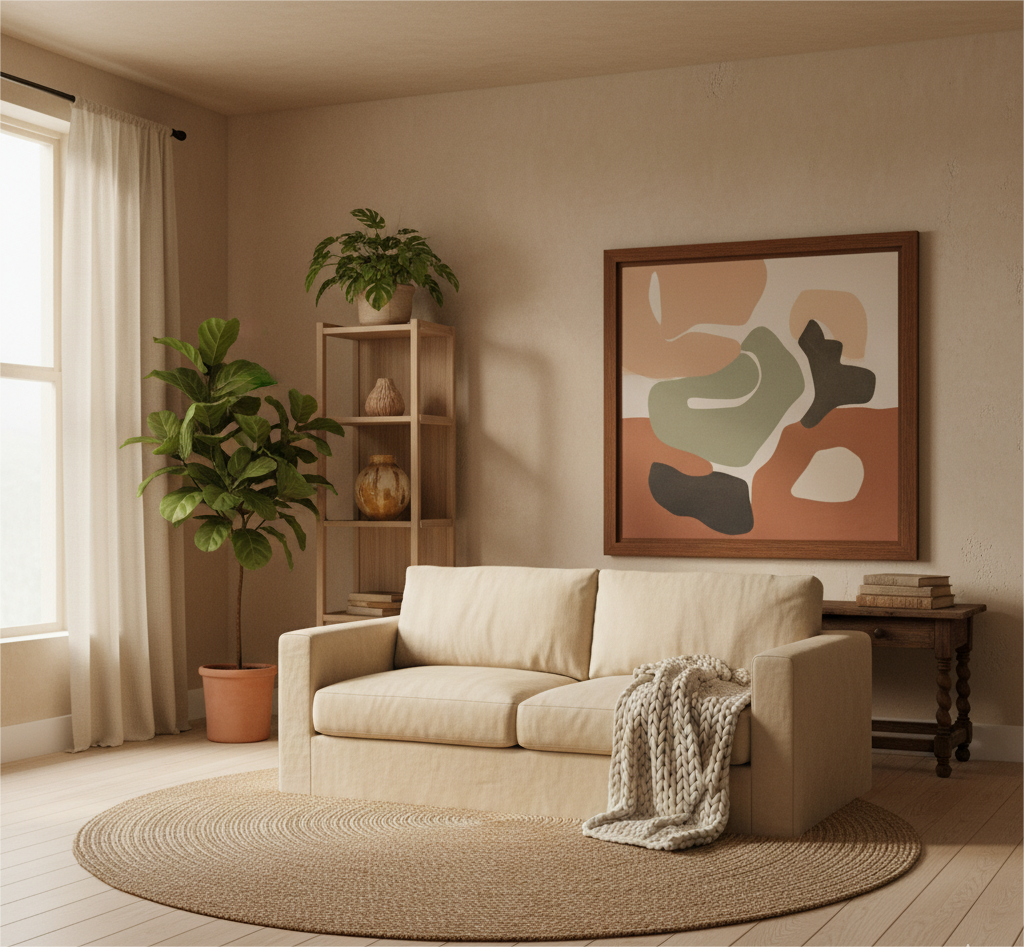
- Core Philosophy: A direct evolution from the stark, cool minimalism of the past decade. It incorporates abundant texture (think bouclé, nubby wool, plaster walls, raffia), organic, curved shapes, and a restricted but deeply warm color palette of creams, taupes, ochres, and browns.
- Key Elements: Monochromatic layers, sculptural furniture, and an emphasis on tactile experience over visual noise. A textured wool throw blanket or a ceramic table lamp with an organic form can be perfect starting points to bring this trend’s warmth into a room.
- Ask Yourself: Do I love clean lines but hate spaces that feel cold or sterile? Do I appreciate sensory, tactile experiences?
- Best For: Modernists who want coziness. It’s sophisticated yet incredibly livable and forgiving.
3. How to Choose Biophilic Design for Your Home
- Core Philosophy: More than just “lots of plants.” It’s the science-backed, intentional integration of natural elements to support wellbeing: maximizing natural light and air flow, using natural materials (wood, stone, cork), incorporating water features, and employing nature-inspired patterns and colors.
- Key Elements: Large plants, water features, natural fiber rugs, raw wood furniture, and nature-themed artwork. To instantly boost the biophilic quality of a room, look into a large indoor plant stand for a Fiddle Leaf Fig or a natural jute area rug.
- Ask Yourself: Does my mood improve with sunlight and fresh air? Do I feel a strong need to strengthen my connection to the natural world while indoors?
- Best For: Urban dwellers, anyone seeking to reduce stress, and those with a strong environmental ethos. This is a design principle that can be layered over almost any stylistic trend.
4. Finding Your Decor Voice with Nostalgic Modern
- Core Philosophy: A clever, personal blend of inherited, vintage, or traditional elements (chintz, ruffles, porcelain, dark wood, gallery walls) with clean-lined modern furniture and contemporary art. It’s layered, tells a story, and feels collected over time.
- Key Elements: Mixing old and new, pattern clashing (done thoughtfully), gallery walls with varied frames, and sentimental objects. A great way to start is with a vintage-inspired floral curtain paired with a modern sofa, or by creating a gallery wall using a set of mixed vintage picture frames.
- Ask Yourself: Do I have family pieces I want to honor? Do I dislike spaces that look like a catalog? Do I enjoy the hunt for unique vintage finds?
- Best For: Sentimental souls, collectors, and those who find stark minimalism impersonal. It champions sustainability through reuse and repurposing.
Section 3: How to Choose Your Trend with a Low-Commitment Test
You’ve identified a potential match. Now, test its principles before you commit financially or emotionally.
- Create a Physical Mood Board: Move beyond Pinterest. Use real, tactile samples—paint swatches, fabric cuttings, a piece of wood tile, a dried flower. This reveals true color and texture interactions that screens cannot.
- Start Small & Seasonal: Don’t overhaul your living room. Implement the trend in a single corner, on a bookshelf, or with seasonal decor. Try a “Japandi”-inspired tablescape with a stone fruit bowl and a single branch. Layer a “Nostalgic Modern” vignette on your entry console.
- The 2-Week Rule: Live with your small experiment. Does this new arrangement or object bring you a spark of joy or calm every time you see it? Or does it start to feel like a costume your home is wearing?
Section 4: Sourcing for Your Chosen Home Decor Trend
Once you’ve chosen your direction, how you source items will define the authenticity of your space.
- Support Local Artisans: For trends like Japandi or Biophilic design, a piece from a local potter or woodworker adds soul and story. This is more meaningful than any mass-produced item.
- Embrace the DIY Ethos: Can you create the texture of Warm Minimalism with a DIY limewash paint technique on one wall? Could you refinish a thrifted side table to fit your new palette? The process connects you deeply to your space.
- Shop Your Own Home First: The most sustainable and personal option. What do you already own that fits this new direction? That basket could work for Cottagecore. That simple vase is perfect for Japandi.
- If Purchasing New, Prioritize Quality & Versatility: Invest in well-made, neutral foundation pieces (a great sofa, a solid wood table). Then, layer in the “trend” through more changeable accessories. For example, a high-quality linen slipcover can transform a sofa across multiple trends, from Cottagecore to Minimalism.
Conclusion: Your Home, Your Evolving Story
The most enduring “trend” is authenticity. A home that truly reflects its inhabitants will always feel current and soulful. Use trends as a helpful vocabulary or a source of inspiration, not a mandate.
Let them introduce you to new colors, textures, and arrangements you might not have considered. Choose the path that makes you feel most like yourself when you walk through the door. That feeling—of comfort, inspiration, and belonging—is the ultimate metric of success. It has nothing to do with likes and everything to do with your daily sigh of contentment. Start with introspection, experiment with courage, and build your space with patience and intention. Your perfect trend is the one that doesn’t feel like a trend at all—it just feels, unmistakably, like home.